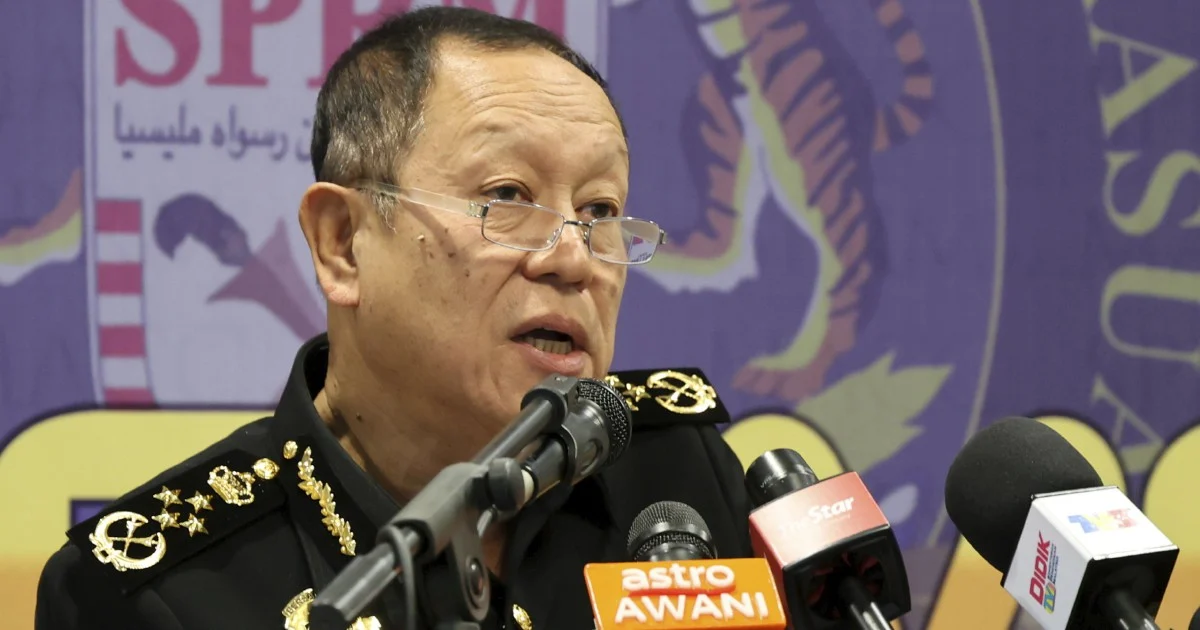
The Malaysian Anti-Corruption Commission has expanded its investigative reach into assets allegedly acquired through misappropriated 1Malaysia Development Bhd funds, now focusing on a high-value property in the United States. According to statements made in Putrajaya, the anti-graft agency plans to summon multiple individuals for questioning, with particular attention being paid to the involvement of a former premier's spouse in the transaction.
This latest development demonstrates the ongoing efforts by Malaysian authorities to trace the complex web of acquisitions linked to the massive 1MDB scandal, which has captivated international attention over the past decade. The focus on overseas assets underscores how proceeds from the sovereign wealth fund were allegedly channelled across borders through sophisticated mechanisms designed to obscure their origins. By concentrating on high-end property in the United States, investigators are following a well-documented pattern wherein luxury real estate became a preferred vehicle for laundering funds on a global scale.
The involvement of a former prime minister's wife in this investigation adds another layer of complexity to what has already proven to be one of the most significant corruption cases in Malaysian history. Her potential connection to the property transaction raises broader questions about the extent to which members of the former administration's inner circle may have benefited from or facilitated the movement of allegedly stolen funds. The MACC's decision to formally summon her for questioning represents a significant step in clarifying the roles played by various individuals during the period when 1MDB was purportedly plundered.
The targeted property in question has been subject to previous scrutiny from international investigators and regulatory authorities. The identification of specific individuals connected to its purchase suggests that investigators have pieced together a transaction trail that warrants formal interrogation. Malaysian authorities have long grappled with the challenge of recovering assets hidden across multiple jurisdictions, making domestic cooperative efforts with international partners essential to the investigative process.
Previous phases of the 1MDB investigation have yielded convictions and guilty pleas from several prominent figures, establishing precedents for how authorities approach cases involving high-ranking officials and their associates. The current probe builds on institutional knowledge gained from these earlier cases whilst adapting strategies to address the particular complexities of international property transactions. The MACC's pursuit of this specific asset reflects a deliberate approach to systematically unraveling the network through which stolen wealth was dispersed.
For Malaysian observers, this investigation carries implications beyond mere asset recovery. It signals that no individual, regardless of former position or family connections, remains beyond the reach of official scrutiny once evidence emerges. This reinforces the principle that accountability mechanisms, though sometimes slow and complicated, continue to operate across political transitions and institutional changes. The government's commitment to pursuing such cases sustains public confidence in the integrity of anti-corruption institutions.
The international dimensions of this investigation highlight the challenges and opportunities presented by a globalised financial system. Whilst such systems can facilitate illicit movements of capital, they also leave traceable records that determined investigators can follow. The property transaction at the centre of this probe likely generated documentation requiring cooperation from foreign authorities and financial institutions, demonstrating how cross-border collaboration has become integral to modern corruption investigations.
From a regional perspective, Malaysia's determination to prosecute 1MDB-related offences sets a precedent for Southeast Asian nations confronting similar challenges. The complexity of transnational financial crime demands sophisticated institutional responses and sustained political will. By continuing to pursue investigations and summon witnesses, Malaysian authorities demonstrate that serious cases cannot be shelved indefinitely or obscured by political considerations.
The timing of this latest development in the investigation may reflect either the maturation of a particular investigative thread or the emergence of new evidence previously unavailable to authorities. Either way, the decision to formally summon individuals indicates that the case has reached a stage where clarification through direct questioning has become necessary. The MACC's approach suggests investigators have identified specific gaps in their understanding that witness testimony can address.
Longer-term, the sustainability of these investigations depends upon adequate resourcing, institutional independence, and continued political backing. The 1MDB case has demonstrated both the possibilities and limitations of pursuing corruption allegations involving former senior officials. Maintaining investigative momentum requires balancing the demands of rigorous due process with public expectations for accountability. The summons of multiple witnesses, including a member of a former premier's family, indicates that such momentum continues despite the considerable obstacles typically encountered in high-profile cases of this magnitude.
As the investigation proceeds, Malaysian authorities face the dual challenge of securing convictions based on evidence whilst simultaneously seeking recovery of misappropriated assets. The property in question represents not merely evidence of alleged wrongdoing but also represents potential restitution to the Malaysian public. How effectively authorities can navigate both objectives will influence both the scope and ultimate impact of this phase of 1MDB-related prosecutions.

