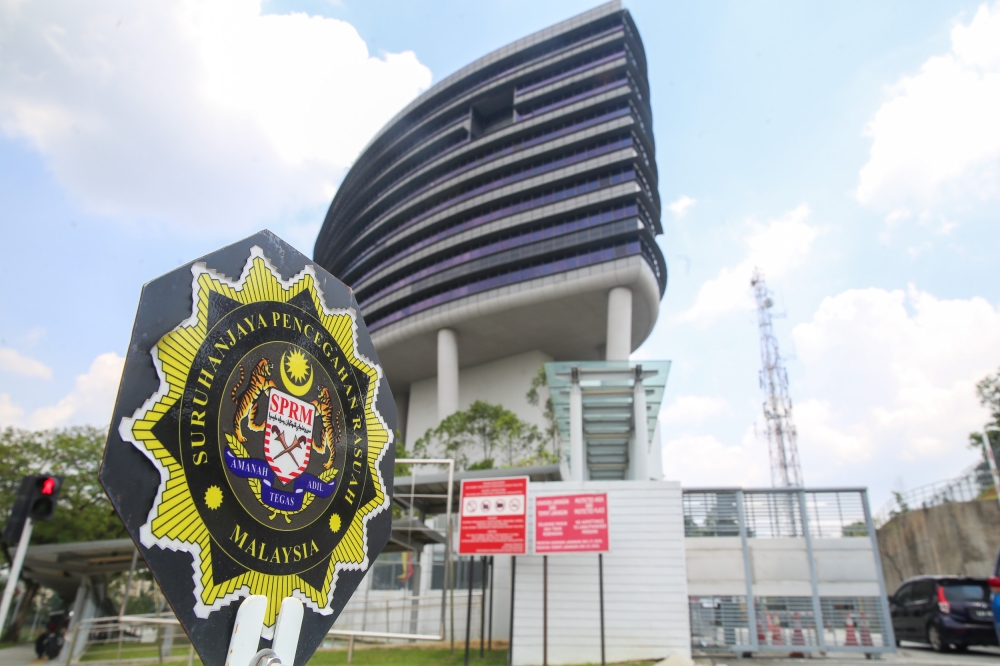
The Malaysian Anti-Corruption Commission has deepened its investigation into a substantial financial loss incurred by KWAP, the investment management arm of the Employees Provident Fund, by recording detailed statements from 10 witnesses in connection with a RM200 million eFishery venture that turned sour. The move signals the anti-graft agency's commitment to establishing the circumstances that led to what has become one of the more contentious investment losses in Malaysia's pension fund management history, with implications that extend far beyond the financial losses themselves.
The eFishery matter represents a critical juncture in public scrutiny of how sovereign wealth and pension assets are managed and deployed in Malaysia. KWAP, which operates as the commercial investment vehicle for EPF capital, carries heightened responsibility given the millions of Malaysian workers whose retirement savings depend upon prudent stewardship of their funds. The RM200 million loss therefore touches not merely on questions of corporate governance but on the financial security of ordinary Malaysians relying on their pension contributions to sustain them through retirement.
The widening witness interview process suggests investigators are casting a comprehensive net across multiple levels of involvement. By speaking with 10 separate witnesses, MACC appears to be building a multi-dimensional understanding of how the investment decision was made, approved, implemented, and subsequently deteriorated. This methodical approach typically involves interviewing fund managers who oversaw the investment, compliance officers who should have monitored risk exposure, senior executives involved in approval processes, and potentially external parties who benefited from or facilitated the transaction.
EFishery, a Southeast Asian e-commerce platform focused on fisheries supply chains, represents the type of technology-enabled startup investment that attracts growing interest from institutional investors seeking exposure to digital transformation trends across the region. For KWAP, backing such ventures aligns with contemporary investment philosophies favouring emerging markets and innovation-driven opportunities. However, the dramatic loss suggests either fundamental misjudgement in assessing the company's business model viability, inadequate due diligence before capital deployment, or unforeseen market deterioration that decimated the investment's value.
The investigation's scope will likely extend to examining documentation surrounding the investment appraisal process. MACC investigators typically scrutinise investment committee minutes, risk assessment reports, valuation models, and external advisories that informed the decision to commit RM200 million to the eFishery venture. These records can reveal whether appropriate safeguards existed, whether dissenting voices were documented and considered, and whether decision-makers acted with the diligence expected of professional fund managers handling public money.
For Malaysian workers and retirees, this investigation carries tangible significance. EPF assets ultimately belong to the fund's members, with KWAP functioning as a commercial investment division tasked with generating returns that supplement the fund's core income. When investments of this magnitude fail catastrophically, they directly impact the quantum of retirement benefits available to fund members, or necessitate internal reallocation of resources that might otherwise fund different benefit enhancements or improved services.
The broader implications for Southeast Asian pension fund management cannot be overlooked. As regional institutional investors increasingly venture into higher-risk asset classes and emerging technologies, the KWAP case study offers critical lessons about governance frameworks, risk oversight mechanisms, and accountability structures. Other pension funds across ASEAN may face similar temptations to back innovative startups, and this investigation's findings could inform more rigorous evaluation criteria across the region.
Investigators will likely examine whether adequate independent oversight existed during the investment lifecycle. Professional asset managers typically employ multiple layers of review—investment committee approval, risk management sign-off, and regular monitoring protocols—precisely to prevent situations where RM200 million can evaporate without triggering sufficiently robust corrective interventions. The witness interviews will help establish whether these safeguards functioned effectively or whether institutional weaknesses permitted problematic decisions to proceed unimpeded.
The involvement of 10 witnesses also suggests investigators are examining potential conflicts of interest or undisclosed relationships between KWAP decision-makers and parties benefiting from the eFishery investment. Institutional investment decisions of this magnitude should involve rigorous conflict-of-interest declarations and management, ensuring that individuals involved in approving the deployment of RM200 million do not stand to gain personal advantage from the transaction.
The investigation's timeline and methodology will likely influence broader governance discussions within KWAP and the wider EPF ecosystem. Should the probe identify systemic weaknesses in investment appraisal processes, risk management frameworks, or accountability mechanisms, the resulting recommendations could trigger significant operational reforms. KWAP may need to recalibrate how it evaluates innovative investment opportunities, potentially imposing more stringent due diligence requirements or position size limitations for venture-style investments in early-stage companies.
For Malaysian stakeholders observing this investigation, the stakes extend beyond merely establishing what went wrong with one investment. The probe represents the anti-corruption agency performing its oversight function on behalf of millions of EPF contributors who depend upon responsible stewardship of their retirement funds. The seriousness with which MACC approaches this inquiry, evidenced by systematic witness interviewing, sends important signals about institutional accountability and the expectation that managing other people's money carries profound legal and ethical obligations.

