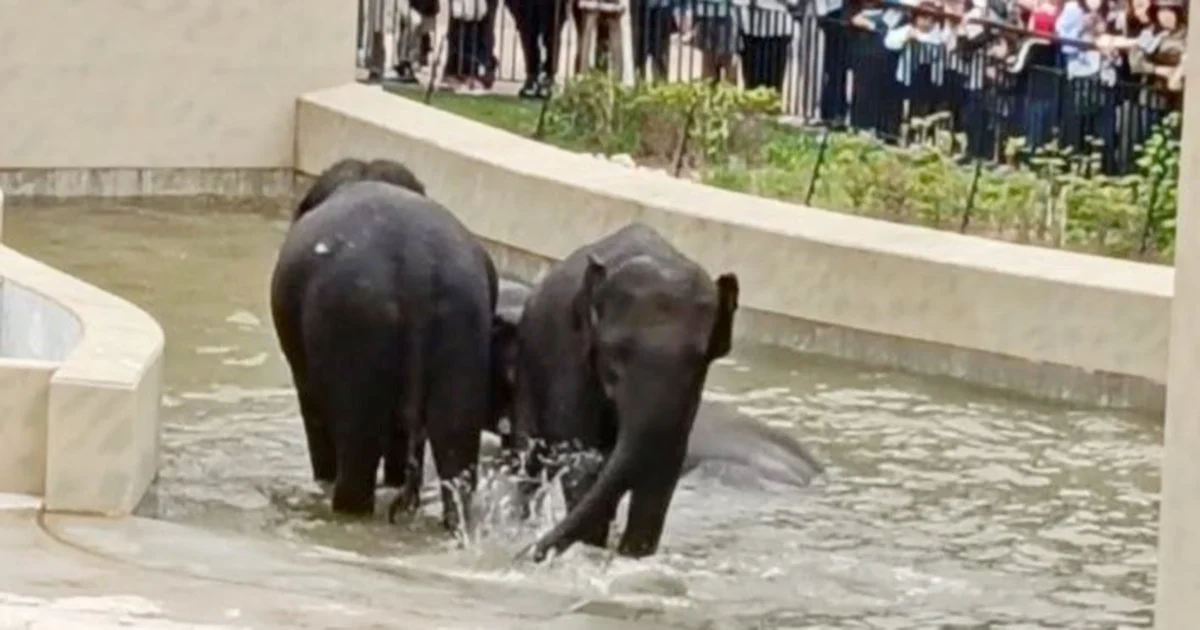
The Malaysian Anti-Corruption Commission's investigation into the Taiping Municipal Council regarding the relocation of three elephants to Tennoji Zoo in Osaka, Japan, is restricted to a systematic examination of documentary evidence, according to authorities in Taiping. This measured approach suggests the initial stage of the inquiry is focusing on establishing a factual record through written materials rather than pursuing more expansive investigative avenues.
The decision to limit the MACC's probe to document review reflects a targeted methodology that seeks to establish whether proper procedures and transparency were maintained throughout the transfer process. Such an approach is typical in early-stage investigations involving municipal decisions where accountability and adherence to administrative protocols form the primary concerns. The three elephants in question—whose relocation has drawn public attention—remain at the centre of scrutiny as the MACC examines how the Taiping Municipal Council processed and authorised this significant transaction.
Tennoji Zoo in Osaka has become the destination for these animals, marking an international agreement that involves complex logistics, animal welfare considerations, and diplomatic arrangements between Malaysian and Japanese authorities. The fact that this cross-border elephant transfer has attracted anti-corruption attention underscores growing public interest in how municipal councils in Malaysia conduct major decisions involving municipal assets and inter-governmental agreements. Such scrutiny is particularly relevant given increasing transparency expectations in public administration.
The Taiping Municipal Council, responsible for urban governance and management of municipal resources in the Perak state capital, would have undertaken numerous procedural steps to facilitate this arrangement. These would typically include assessments of the animals' welfare, consultation with veterinary experts, approval from relevant wildlife authorities, cost evaluations, and negotiation of terms with the receiving institution. Each of these elements generates documentation that forms the basis of the MACC's current documentary review.
For Malaysian readers following governance issues, this investigation exemplifies the expanding role of anti-corruption agencies in scrutinising administrative decisions at the municipal level. Unlike federal or state-level transactions that regularly undergo public scrutiny, local council decisions often operate with less transparency, making MACC's intervention particularly significant. The review of documents will likely examine whether competitive bidding processes were followed, if costs were reasonable, and whether decision-making procedures aligned with municipal regulations and national guidelines.
The restriction to documentary analysis also suggests that at this stage, the MACC has not identified grounds for field investigations, witness interviews, or forensic examination that would indicate more serious irregularities. This distinction is important: a purely documentary inquiry may be concluded relatively swiftly if the materials reveal transparent, properly documented procedures, whereas investigations expanding into fieldwork typically signal emerging concerns about procedural breaches or undisclosed factors.
From a Southeast Asian perspective, the elephant transfer reflects broader patterns of zoo exchanges and wildlife cooperation between nations. Japan, with its world-class zoo systems, frequently participates in international animal-sharing arrangements, while Malaysia, home to significant elephant populations, occasionally contributes to such programmes. These exchanges involve substantial coordination, veterinary care protocols, and financial arrangements that must satisfy both nations' regulatory frameworks. The MACC's involvement indicates that Malaysian authorities are examining whether domestic procedures were properly executed on the Malaysian side.
The timing and scope of this investigation may also reflect public concern regarding animal welfare and municipal transparency. Elephant relocations are sensitive matters involving considerations of animal psychology, stress, adaptation to new environments, and long-term welfare outcomes. Public interest in how such decisions are made—whether they prioritise animal welfare or other considerations—has elevated scrutiny of the municipal council's decision-making process.
Stakeholders including animal welfare advocates, residents of Taiping, and transparency watchdogs will likely await the findings of the MACC's document review. The results will determine whether the investigation expands to more intensive examination or concludes with findings regarding the municipal council's administrative compliance. For local governance in Malaysia, this case serves as a reminder that decisions at the municipal level, regardless of their subject matter, are increasingly subject to accountability mechanisms.
The MACC's measured approach through documentary review represents a proportionate initial response that allows authorities to establish baseline facts before determining whether additional investigative resources are warranted. The outcomes of this examination will likely set precedents for how anti-corruption agencies engage with municipal council decisions involving significant assets or international agreements, potentially influencing governance standards across Malaysian municipal authorities going forward.

