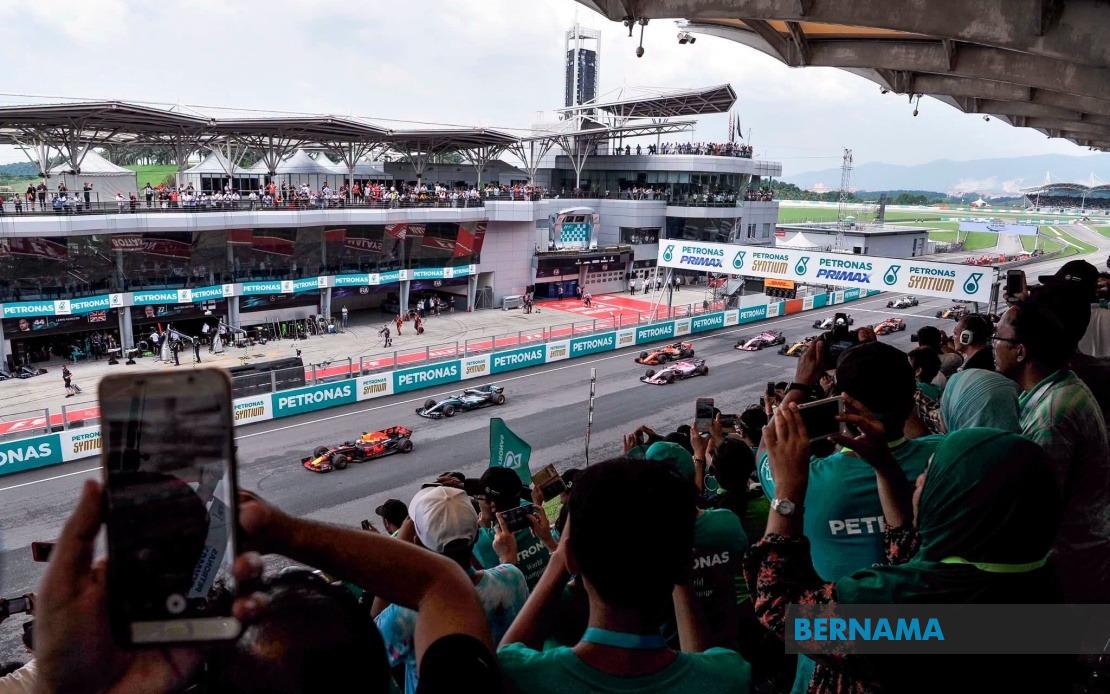
Prime Minister Datuk Seri Anwar Ibrahim has unveiled an exclusive ticketing scheme that will allow Malaysian citizens to watch the Gulf Air Bahrain Grand Prix Formula 1 race at Sepang International Circuit for as low as RM200. The initiative, announced via Facebook on August 15, represents a significant move to democratise access to one of motorsport's most prestigious events and comes as the nation prepares to host a world-class racing fixture after nearly a decade away.
The MADANI Tickets will be available exclusively to holders of a MyKad, Malaysia's national identification card, and will grant access to the entire three-day event scheduled for October 2 to 4, 2026. According to Anwar, the pricing structure was developed following discussions and mutual agreement with Bahrain, reflecting the government's commitment to ensuring ordinary Malaysians can experience Formula 1 racing without prohibitive costs. The scheme addresses a longstanding challenge in bringing marquee sporting events to the broader public, shifting away from pricing models that typically restrict attendance to affluent spectators.
The announcement represents the culmination of planning that began several weeks earlier, when government officials first considered the possibility of introducing specially priced tickets for the Formula 1 event. These discussions evolved into a formal diplomatic arrangement with Bahrain, the race's official sanction holder, underscoring the collaborative nature of modern Formula 1 operations where multiple jurisdictions and governing bodies must align before any grand prix can proceed. The MADANI branding deliberately connects the ticketing programme to the government's broader development framework, positioning Formula 1 not merely as entertainment but as part of national aspirations for inclusive growth and international engagement.
The return of Formula 1 racing to Sepang after a thirteen-year hiatus marks a reversal of Malaysia's withdrawal from the global championship calendar. Sepang International Circuit hosted the Malaysian Grand Prix annually from 1999 through 2017, establishing itself as a venue synonymous with Asian motorsport excellence and attracting hundreds of thousands of spectators across its tenure. However, escalating costs associated with race hosting—particularly the combination of circuit licensing fees, safety upgrades, and television rights payments to Formula 1's governing body—rendered the event financially unsustainable under the previous business model. The financial barriers that ended Malaysian participation have not disappeared, but the current arrangement with Bahrain appears designed to distribute costs and share infrastructure in a way that makes the event economically viable once more.
The shift to the Bahrain Grand Prix at Sepang illustrates the fluid nature of Formula 1's global calendar and the complex geopolitical considerations now embedded in motorsport scheduling. Originally, the 2026 Bahrain Grand Prix was due to take place in April at the Bahrain International Circuit in Manama. However, escalating tensions across the West Asian region prompted a strategic relocation of the event, with Malaysian and international authorities determining that hosting the race at Sepang would be preferable from logistical, safety, and diplomatic perspectives. This decision reflects how major sporting events are increasingly subject to real-time assessment of regional stability and international relations, with alternative venues playing a growing role in the championship's architecture.
For Malaysian motorsport enthusiasts and the broader economy, the announcement signals an opportunity to re-establish the country's prominence in global racing. The Sepang circuit remains technically sound and internationally recognised, having hosted not only Formula 1 but also MotoGP and other major championships during its operational history. The venue's infrastructure, from paddock facilities to spectator amenities, retains the capability to meet contemporary Formula 1 standards without requiring wholesale reconstruction. The return of the sport could stimulate tourism, generate employment across hospitality and transport sectors, and elevate Malaysia's profile as a destination for international sporting events at the highest level.
The MADANI pricing initiative carries particular significance for aspirational middle-class Malaysians who have limited exposure to Formula 1 racing despite its cultural prominence. At RM200 for a three-day pass, the cost represents a substantial but achievable expense for many households, particularly when compared to typical Formula 1 ticket pricing in other markets, which frequently exceeds several hundred to thousands of ringgit. The democratic intent behind the scheme suggests an understanding that major sporting events should not be the exclusive preserve of the wealthy, and that broader public participation strengthens both the event's success and national social cohesion around shared sporting moments.
Sepang International Circuit has indicated that further specifics regarding ticket allocation, distribution channels, and seat categories will be released in due course, allowing anticipation to build and ensuring orderly access to what will likely be a highly sought commodity. The announcement period between August and October provides sufficient lead time for comprehensive ticketing logistics while maintaining momentum and public interest. Officials have signalled their commitment to the scheme by framing it within the MADANI framework, suggesting this is not merely a commercial transaction but a deliberate policy intervention aligned with government priorities.
The implications for Southeast Asian sporting infrastructure are also noteworthy. Malaysia's return to the Formula 1 calendar, even temporarily and under the banner of another nation's grand prix, demonstrates that hosting world-class motorsport remains feasible in the region despite financial challenges. Other Southeast Asian nations with aspiring motorsport ambitions, including Thailand and Vietnam, will likely monitor how this arrangement functions, particularly whether the shared-hosting model proves sustainable and whether public enthusiasm justifies the considerable investment required. Success could reshape how motorsport events are conceptualised in the region, moving toward collaborative frameworks that distribute risk and cost across multiple stakeholders.
Looking ahead, the October 2026 event will serve as a test case for Malaysia's capacity to deliver a flawless international motorsport spectacle while maintaining affordability for local audiences. The MADANI Tickets represent a governing philosophy that treats major events as opportunities for national inclusion rather than exclusive experiences. Whether the scheme achieves its dual objectives of ensuring strong public attendance and delivering a memorable sporting occasion will influence perceptions of Malaysia's future hosting capabilities and could determine whether Formula 1 maintains a permanent presence at Sepang beyond 2026. For now, Malaysian motorsport fans have reason to anticipate a historic return.

