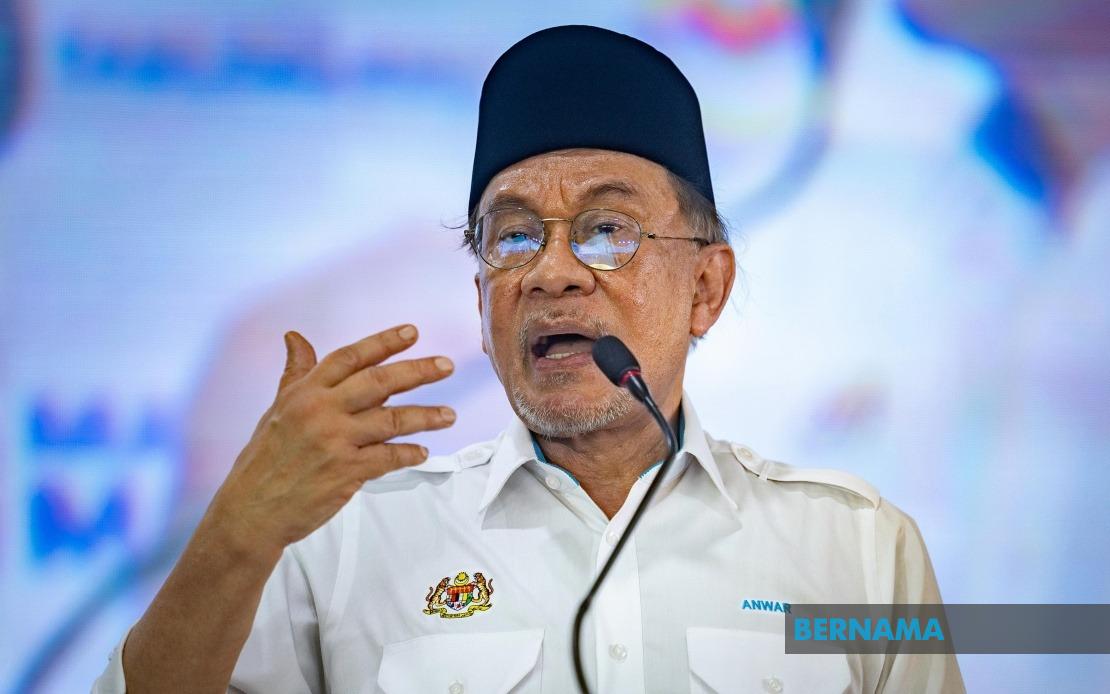
Prime Minister Datuk Seri Anwar Ibrahim has pledged the MADANI Government's sustained dedication to modernising and strengthening religious schools and pondok institutions throughout the nation. Speaking at the 2026 Perak Pondok and Religious Schools Gathering in Ipoh, Anwar underscored the importance of these educational institutions in preserving Malaysia's Islamic heritage while adapting to contemporary demands.
The Prime Minister acknowledged a historical challenge facing these traditional institutions. Pondok schools, which historically served as vital centres of Islamic learning, gradually lost relevance as they struggled to keep pace with rapid societal transformation. The gap widened as these establishments found themselves ill-equipped to offer instruction in practical and modern disciplines, creating a disconnect between their classical curriculum and the knowledge domains increasingly essential in today's economy.
Anwar expressed particular admiration for the religious scholars, pondok administrators, and established leaders who have navigated this transition thoughtfully. Rather than abandoning their foundational mission of preserving Islamic traditions and classical Islamic texts, these educators have demonstrated openness to exploring emerging fields. The integration of computer technology and artificial intelligence into religious school curricula represents a pragmatic response to contemporary educational needs without compromising theological integrity.
The government has mobilised institutional support through key agencies to facilitate this modernisation. The Malaysia Digital Economy Corporation (MDEC) and the Implementation Coordination Unit (ICU) under the Prime Minister's Department have been instrumental in collaborating with religious schools to enhance their capabilities and infrastructure. This inter-agency approach reflects recognition that upgrading these institutions requires coordinated expertise spanning technology, education policy, and religious affairs.
Anwar's remarks carried implicit recognition of conversations with religious leaders, including a reference to Sheikh Wazir Che Awang Al-Makki, a respected Islamic scholar from Kelantan. These consultations underscore the government's commitment to stakeholder engagement and ensuring that modernisation initiatives align with the perspectives of Malaysia's religious community. The personal assurances offered by the Prime Minister suggest a longer-term roadmap contingent on sustained economic performance and continued governmental commitment.
The timing of Anwar's announcement carries significance within Malaysia's broader educational landscape. As the nation grapples with skills gaps in the digital economy and debates the role of religious education within a pluralistic society, the MADANI Government's position attempts to bridge these concerns. By positioning religious and pondok schools as potential contributors to Malaysia's digital workforce, while maintaining their cultural and spiritual missions, the government articulates a vision of educational pluralism that accommodates multiple pathways to knowledge.
For Southeast Asia more broadly, Malaysia's approach to integrating traditional Islamic education with modern technological competencies offers a model worth observing. Countries across the region host similar institutions serving diverse religious communities, each wrestling with comparable questions about relevance and modernisation. Malaysia's investment in upgrading these schools demonstrates one approach to reconciling heritage with progress, potentially informing educational policy conversations elsewhere in the region.
The presence of Perak Menteri Besar Datuk Seri Saarani Mohamad, Minister in the Prime Minister's Department (Religious Affairs) Dr Zulkifli Hasan, and Chief Secretary to the Government Tan Sri Shamsul Azri Abu Bakar at the gathering underscored the multi-level governmental engagement with this initiative. This assembly of senior officials reflects the issue's prominence within the administration's agenda and suggests coordinated efforts spanning federal, state, and administrative machinery.
Anwar's conditional framing—contingent on sustained health and economic conditions—indicates realistic acknowledgment of budgetary constraints. Educational enhancement initiatives require sustained financial commitment, and the Prime Minister's implicit recognition that resource allocation depends on economic stability reflects the practical realities of governance. This contextualisation may also signal to religious school communities the importance of demonstrating measurable progress and return on investment to justify continued government expenditure.
The emphasis on exploring new disciplines alongside preserving classical religious knowledge represents a pedagogical philosophy gaining traction globally. This dual-track approach rejects false dichotomies between traditional and modern learning, instead proposing complementary development. For students in these institutions, such integration offers pathways toward careers in technology sectors while maintaining grounding in Islamic tradition, potentially expanding their economic opportunities and social mobility.
Moving forward, the success of this initiative will likely depend on implementation fidelity and resource allocation at the grassroots level. Translating Prime Minister-level commitments into tangible improvements in school infrastructure, teacher training, and curriculum development requires sustained bureaucratic attention and funding follow-through. State-level governments, particularly in states with significant pondok school populations, will play crucial roles in operationalising national initiatives.
The MADANI Government's stance also reflects evolving attitudes toward religious education within Malaysian policy circles. Rather than viewing religious and pondok schools as peripheral to national educational objectives, this approach positions them as legitimate components of Malaysia's educational ecosystem worthy of strategic investment. Such recognition potentially shifts debates from whether these institutions should exist toward how they can be strengthened, a reframing with implications for policies affecting minority religious educational communities as well.

