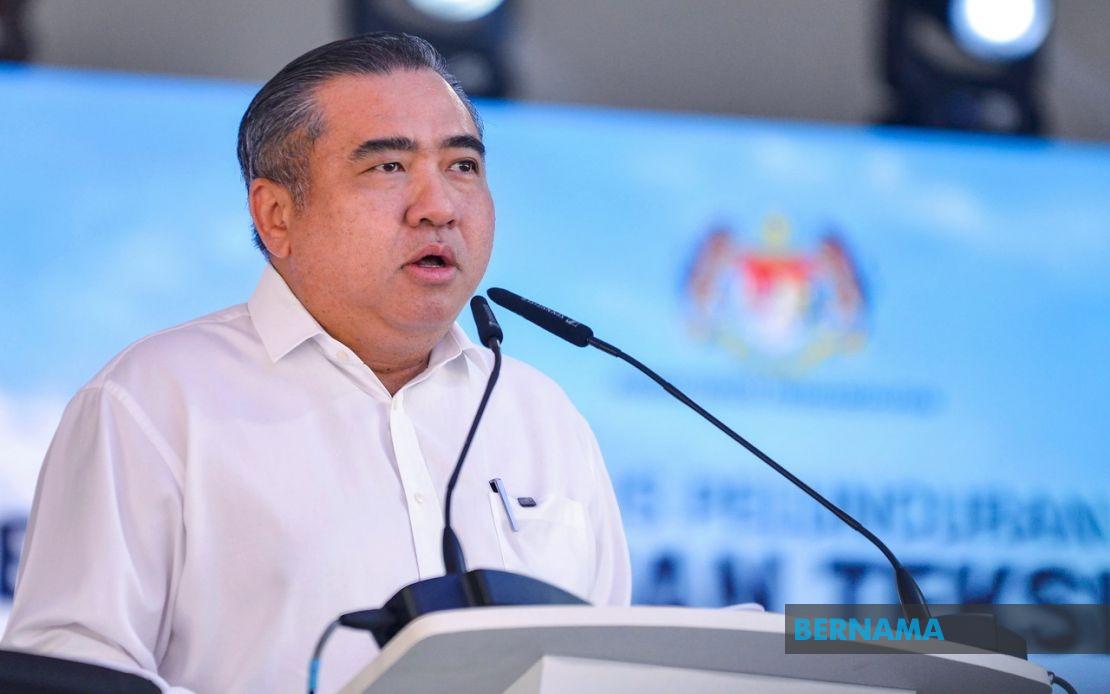
A watershed moment for Malaysia's taxi industry arrived on July 3 when Transport Minister Anthony Loke unveiled the National MADANI Taxi Reform Programme at Dataran Merdeka, fundamentally restructuring how drivers access and own their vehicles. The initiative, inaugurated by Prime Minister Datuk Seri Anwar Ibrahim, represents a decisive break from decades of leasing arrangements that have defined taxi operations across the nation. Under this reimagined model, drivers will transition from being perpetual lessees to becoming the legal proprietors of their taxis, a distinction that carries profound implications for their financial stability and economic autonomy.
The structural innovation at the heart of the programme involves a special ministerial approval from the Ministry of Finance that permits drivers to hold clear ownership of vehicles even while accessing financing through authorized financial institutions. Loke emphasized the critical distinction between this arrangement and conventional leasing, underscoring that legal title resides permanently with the driver-operator rather than reverting to a leasing company or financier upon completion of payment cycles. This ownership guarantee addresses a persistent grievance within the taxi sector, where drivers have historically accumulated decades of payments without accumulating equity or retaining any residual asset value once lease agreements concluded.
The programme's vehicle selection reflects deliberate prioritization of passenger safety and operational efficiency. The Proton S70 sedan has been designated as the official taxi model across the reformed fleet, a choice grounded in comprehensive evaluation of its safety infrastructure, interior comfort provisions, and fuel consumption metrics. This standardization serves multiple constituencies simultaneously—enhancing passenger confidence through consistent vehicle quality, reducing driver maintenance uncertainty by concentrating expertise around a single model, and potentially generating economies of scale for parts procurement and technical servicing across the industry.
Visual identity changes accompanying the vehicle transition signal a modernization of the taxi sector's public presentation. The elimination of roof-mounted taxi toppers, a feature embedded in Malaysian urban iconography for generations, introduces a contemporary aesthetic that aligns the reformed taxis with international standards. Simultaneously, a distinctive registration series commencing with the letters "GET" will provide immediate visual differentiation between traditional vehicles and those operating under the MADANI framework, facilitating regulatory oversight and creating a recognizable brand identity for reformed operators.
Revenue supplementation mechanisms form another pillar of the programme's design, acknowledging that vehicle ownership alone may insufficiently address the earnings pressures confronting taxi drivers in an increasingly competitive transportation marketplace. The ministry has orchestrated collaboration with private sector partners to introduce digital advertising installations within taxi cabins, transforming the interior passenger environment into a commercial medium that generates supplementary income streams for operators. This approach converts previously unutilized advertising real estate into a revenue source while offering advertisers access to an urban mobile audience, creating a mutually beneficial arrangement within the constraints of existing vehicle interiors.
Integration with digital booking ecosystems represents a technological modernization dimension, acknowledging the irreversible shift toward e-hailing platforms in Malaysian urban mobility. Rather than positioning the reformed taxi system in opposition to app-based transport services, the programme contemplates compatibility and integration, permitting reformed taxis to function within existing digital booking architectures. This interoperability strategy suggests recognition that passengers increasingly expect seamless digital interfaces regardless of vehicle type, and that competitive sustainability requires taxi operators to meet contemporary consumer expectations around booking convenience and payment systems.
The reform programme carries particular significance for Malaysian transportation policy, as it attempts to revitalize a sector that has experienced progressive marginalization amid the rise of e-hailing services. By addressing the ownership question—a foundational grievance that has motivated numerous taxi industry demonstrations over preceding years—the government signals responsiveness to driver concerns about long-term economic viability. Drivers who accumulate ownership equity gradually develop stronger incentives to maintain vehicle quality and expand service hours, factors that could enhance overall transportation system reliability.
From a consumer perspective, the modernization of the taxi fleet through standardized, newer vehicles operating under reformed economic incentive structures may yield service quality improvements. Drivers freed from the financial uncertainty of perpetual leasing arrangements may exhibit greater willingness to invest in customer service enhancements and operational professionalism. The Proton S70's fuel efficiency credentials also promise cost-conscious drivers potential reductions in per-kilometre operating expenses, benefits that could translate into more competitive pricing relative to e-hailing alternatives.
The regional context adds further dimension to this Malaysian initiative. Across Southeast Asia, taxi industries face similar pressures from digital disruption, and Malaysia's approach to reconciling traditional taxi operations with modern transportation markets may offer instructive lessons for neighboring jurisdictions grappling with comparable sectoral transitions. The emphasis on driver ownership as a stabilizing mechanism distinguishes this reform from purely regulatory or subsidy-based approaches attempted elsewhere in the region.
Implementation success will depend critically on execution details not fully elaborated in the programme's initial announcement. Questions regarding financing terms, down payment requirements, credit accessibility for established drivers with limited formal financial histories, and transition pathways for existing lease-holders operating older vehicles remain to be clarified. The government's coordination with financial institutions will prove determinative in whether the ownership model remains genuinely accessible to drivers across the full socioeconomic spectrum, or whether it inadvertently creates new barriers favoring capital-rich operators.
Look Seong also confirmed that officials from the Ministry of Finance and Prime Minister's Department participated in the programme launch alongside Hannah Yeoh, Minister in the Prime Minister's Department responsible for Federal Territories, and Kuala Lumpur mayor Datuk Seri Fadlun Mak Ujud, reflecting the interagency coordination the initiative demands.

