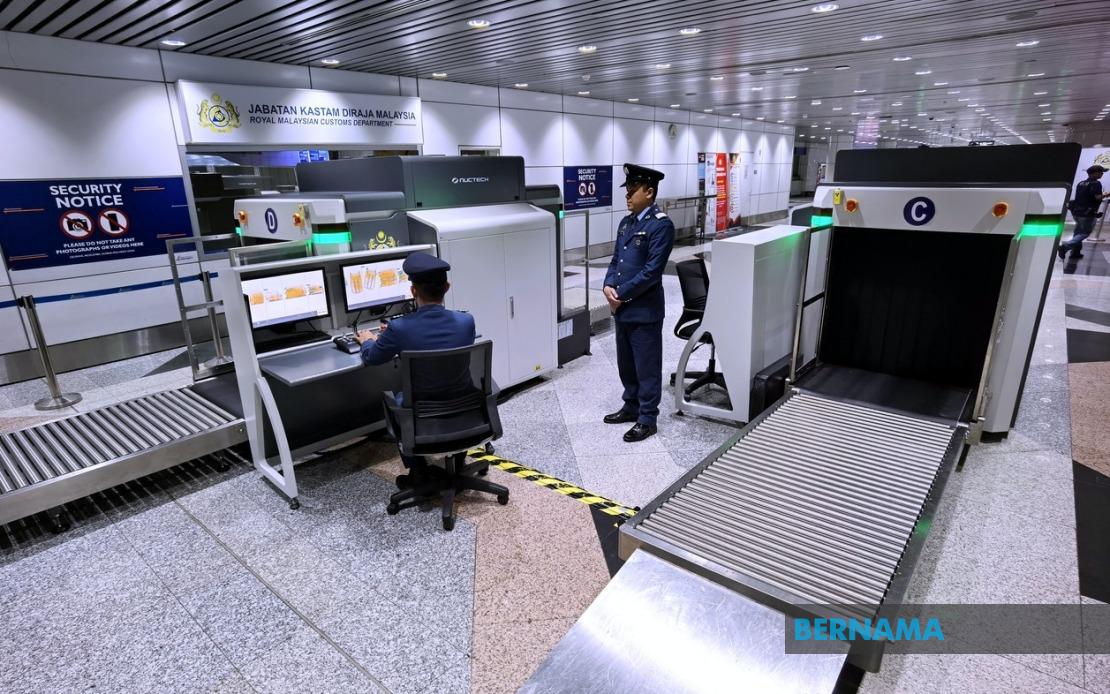
Malaysia Airports Holdings Bhd has reiterated its dedication to working alongside multiple government agencies to prevent illegal cross-border activities, particularly in light of recent developments involving a Malaysian airline pilot detained in Indonesia on narcotics-related charges. The airport operator emphasised that it stands ready to render full assistance to authorities investigating the matter while maintaining its commitment to strengthening security infrastructure at Kuala Lumpur International Airport.
The incident that prompted MAHB's statement centres on the July 29 arrest of a 39-year-old Malaysian pilot who arrived in Indonesia carrying an estimated 70,114 ecstasy pills and approximately four grammes of methamphetamine. Indonesian law enforcement valued the seized contraband at around Rp60 billion, equivalent to roughly RM13.5 million. Preliminary investigations suggest the suspect may have engaged in multiple smuggling operations previously and potentially operates within an organised international drug trafficking network, with authorities continuing their probe to identify additional syndicate members and intended recipients.
At the heart of this case lies a critical vulnerability: the movement of aviation personnel through international airports. Unlike ordinary passengers, pilots and airline crew enjoy certain operational privileges that inadvertently create pathways for illicit activity. The Malaysian pilot's alleged attempt to exploit his professional status underscores how transnational criminal networks continue to adapt their methods by recruiting individuals with legitimate access to border areas. For Malaysia, which serves as a major regional aviation hub, such incidents carry particular significance given KLIA's strategic position in Southeast Asian air traffic networks.
MAHB's Aviation Security team operates under strict protocols designed to identify potential threats to aircraft and passengers, primarily through advanced screening systems calibrated to detect explosives, weapons, and similar aviation-specific hazards. The airport operator clarified that its baggage handling mechanisms at KLIA incorporate these security priorities, with all checked luggage—whether belonging to passengers or crew members—subjected to aviation security screening according to established international standards. However, the organisation noted an important distinction: the detection and prosecution of narcotics trafficking offences that do not directly endanger aviation operations fall outside AVSEC's primary mandate.
This division of responsibility reflects Malaysia's broader institutional framework for border enforcement. The Royal Malaysia Police and the Royal Malaysia Customs Department maintain primary authority over drug and contraband investigations at airports, whilst the Department of Wildlife and National Parks handles wildlife trafficking matters. MAHB functions as a facilitating partner in these efforts rather than the lead investigator, providing operational support, intelligence sharing, and facility access that enables law enforcement agencies to execute their functions effectively. Between January and July 2024 alone, this collaborative approach yielded over 30 interceptions of attempted narcotics smuggling through KLIA, demonstrating the system's operational effectiveness despite occasional breaches.
The Civil Aviation Authority of Malaysia has initiated its own regulatory review of the incident, with CEO Datuk Capt Norazman Mahmud confirming that investigators will assess compliance with aviation security procedures from a governance perspective. This examination will evaluate both the involved airline's adherence to security requirements and KLIA's screening protocols. Such regulatory scrutiny serves an important function in identifying systemic weaknesses and ensuring continuous improvement across Malaysia's aviation security infrastructure, though it should be noted that regulatory investigations and criminal prosecutions operate on separate parallel tracks.
For Malaysian policymakers and security officials, the pilot case illuminates persistent challenges in managing the tension between aviation operational efficiency and comprehensive border security. Crew members necessarily require streamlined processing to maintain flight schedules, yet this necessity creates exploitation opportunities for criminal elements. The incident also reveals how organised trafficking networks deliberately target individuals with legitimate credentials and access, offering financial incentives to circumvent normal security channels. This recruitment strategy has proven effective across multiple jurisdictions and commodities, from narcotics to wildlife contraband to precursor chemicals.
The implications extend beyond Malaysia's immediate borders. As a regional aviation leader and transit point for Southeast Asian air travel, Malaysia's security posture influences neighbouring nations' threat assessments. Indonesia's successful interdiction and investigation demonstrates effective bilateral cooperation, yet it also highlights the reactive nature of current enforcement approaches. The arrested pilot's suspected involvement in previous smuggling operations raises uncomfortable questions about whether earlier warning signs were overlooked or whether detection capabilities simply proved inadequate against experienced operators employing sophisticated concealment methods.
MAHB's emphasis on technological solutions—particularly advanced screening systems—reflects international best practice in aviation security. However, technology alone cannot address the human elements that drive smuggling networks. Successful border security requires sustained intelligence coordination, personnel vetting protocols, and international information-sharing arrangements that go beyond the capabilities of any single airport operator. The multi-agency framework that MAHB champions, whilst functional, remains dependent on the resource allocation and operational prioritisation decisions made by individual law enforcement organisations, creating potential inconsistencies in enforcement intensity and effectiveness.
Looking forward, the pilot arrest case will likely catalyse enhanced scrutiny of aviation personnel movement patterns across Malaysian airports. Airlines may face increased compliance audits, whilst crew members can expect more rigorous screening procedures despite the operational friction this creates. For Malaysia's aviation sector, which generates substantial economic value through tourism and cargo operations, such security tightening represents an unavoidable cost of border integrity. The challenge lies in implementing enhanced measures without creating bottlenecks that undermine Malaysia's competitive positioning as a regional aviation hub.
The commitment MAHB has articulated represents standard institutional positioning following a high-profile breach. More substantively, the case demonstrates that Malaysia's aviation security architecture, whilst reasonably effective at intercepting conventional smuggling attempts, remains vulnerable to exploitation by individuals with legitimate access credentials. Addressing this requires a multifaceted approach encompassing enhanced personnel vetting, international intelligence coordination, technological upgrades, and periodic regulatory reviews—precisely the institutional responsibilities that MAHB and its enforcement partners continue to navigate.

