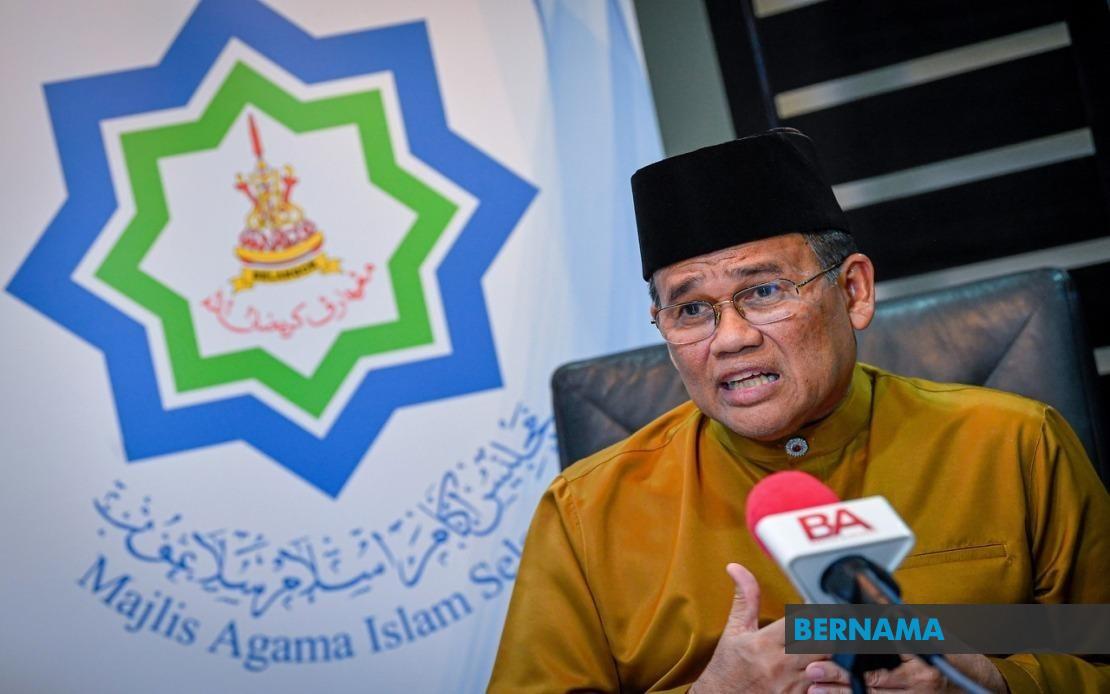
The Selangor Islamic Religious Council (MAIS) is moving swiftly to address a growing controversy surrounding alleged delays in funeral proceedings at Ukay Perdana Muslim Cemetery in Hulu Kelang. In a statement released in Shah Alam on June 29, MAIS has directed an emergency meeting bring together the deceased's family members, officials from Masjid Nurul Hidayah in Kampung Pandan Dalam, representatives of the Salatulrahim Welfare Organisation (BKS), and staff from the Selangor Islamic Religious Department (JAIS) to find a comprehensive resolution to the dispute.
MAIS chairman Datuk Salehuddin Saidin framed the convened meeting as an opportunity to reach a mutually satisfactory outcome for all stakeholders while implementing preventive measures to ensure such incidents do not recur. The decision reflects mounting public concern over the handling of Islamic funeral arrangements in Selangor and the need for greater institutional accountability in a deeply sensitive area of religious practice.
The council extended formal condolences to the grieving family, acknowledging both their loss and the additional distress caused by the alleged burial delays during an already traumatic period. Salehuddin emphasised that MAIS recognises the gravity of the situation and the emotional toll such administrative failures can inflict on bereaved relatives during their time of mourning.
MAIS has committed to taking decisive action against any party determined to be at fault following police investigations. Whether the underlying cause stems from criminal conduct, negligence, or communication breakdowns among involved organisations, Salehuddin stressed that accountability will be enforced based on factual findings. This pledge suggests MAIS is prepared to move beyond routine administrative responses toward meaningful consequences.
The dispute itself has already attracted multi-layered official attention, with JAIS director Datuk Mohd Shahzihan Ahmad having released preliminary investigative findings based on information supplied by mosque management. Salehuddin noted that MAIS had reviewed this statement and is incorporating its contents into the broader institutional response. Additionally, multiple parties—including the mosque management, the deceased's family, and BKS—have filed separate police reports, indicating the matter has escalated beyond internal religious governance into the criminal justice system.
Recognising this complexity, Salehuddin appealed to all parties to permit police to conduct their investigation with full transparency and objectivity. By explicitly calling for an unimpeded inquiry, MAIS appears to be signalling that internal religious processes alone are insufficient and that independent law enforcement scrutiny is necessary to restore public confidence in Islamic institutional integrity.
Beyond the immediate crisis, MAIS has initiated a broader institutional review of how mosque managements across Selangor oversee Islamic funeral and burial operations. This systemic examination is designed to identify procedural gaps and strengthen operational standards. The objective is to guarantee that the handling of deceased Muslims occurs with both religious propriety and administrative efficiency, fully adhering to Islamic law while meeting contemporary expectations of professional service delivery.
The move reflects growing recognition that ad-hoc management of funeral services no longer suffices in modern Malaysia. Families increasingly expect clarity, timeliness, and respectful treatment during burial arrangements. By committing to procedural improvements, MAIS is attempting to elevate standards across Selangor's Islamic funeral infrastructure, potentially benefiting thousands of families annually who navigate these sensitive processes.
Salehuddin also directed a message toward the broader Muslim community, urging them to preserve social cohesion and fraternal bonds despite disagreements over this particular incident. His emphasis on maintaining ukhuwah (Islamic brotherhood and sisterhood) suggests concern that the burial delay controversy could fragment community trust in religious institutions or spawn divisions between mosque management, welfare organisations, and bereaved families if not carefully managed.
For Malaysian readers, particularly those in Selangor, this incident underscores the intersection of religious authority, administrative competence, and family welfare in a context where Islamic law and state bureaucracy overlap. The involvement of multiple agencies—MAIS, JAIS, the mosque, a welfare organisation, and now police—reveals the institutional fragmentation that can characterise Islamic administration in Malaysia's federal system. The urgent meeting signals an attempt to restore coordination and accountability across these structures.
The controversy also highlights emerging tensions between traditional mosque-based funeral management and contemporary expectations of professional service standards. As Malaysia's Muslim population becomes increasingly urbanised and socially mobile, families are less willing to accept delays or poor communication during funeral arrangements. This incident may catalyse broader improvements in how Islamic councils across Malaysia approach funeral administration, potentially serving as a cautionary case study for other states.
The fact that welfare organisations, mosque committees, and state religious departments are now being brought into a single coordinated meeting suggests recognition that Islamic funeral services are no longer purely religious matters but involve complex stakeholder relationships requiring institutional clarity and professional accountability. MAIS's response, if comprehensive and transparent, could set a precedent for how Malaysian Islamic authorities address service delivery failures while maintaining religious authority.

