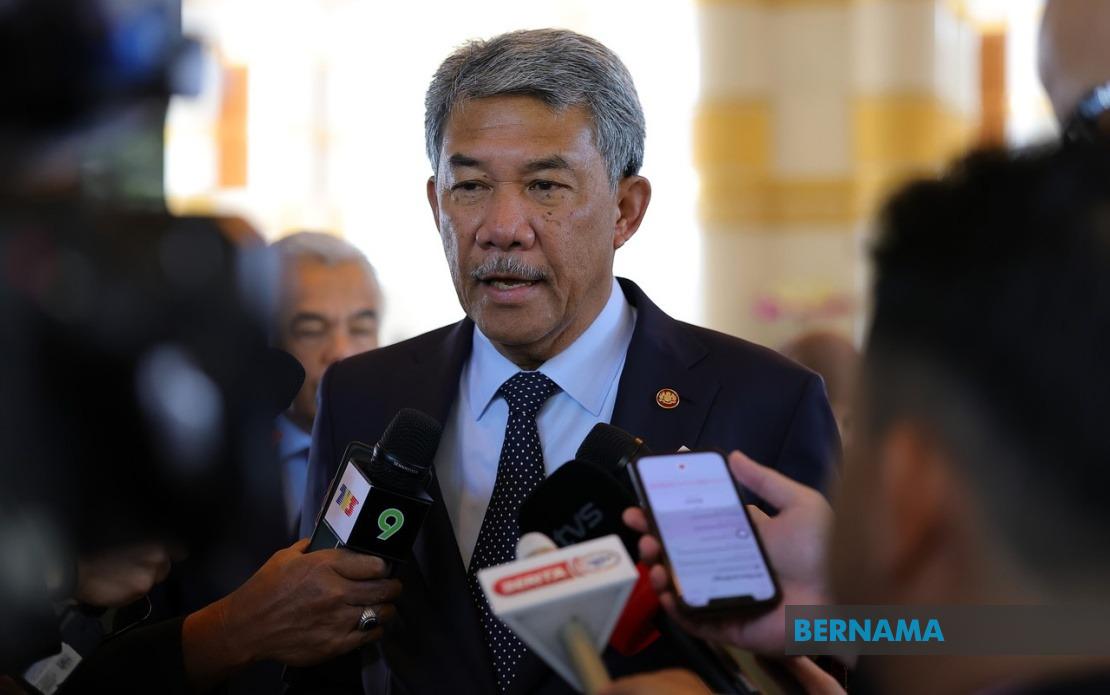
Malaysia has decided to channel its response to the transboundary haze crisis through ASEAN's established diplomatic mechanisms, signalling a preference for multilateral regional cooperation over bilateral approaches. Foreign Minister Datuk Seri Mohamad Hasan made the announcement during his working visit to Brunei, emphasising that the 10-member bloc provides the most suitable institutional framework for resolving issues that cut across national boundaries and affect multiple member states simultaneously.
The strategic decision reflects Malaysia's broader commitment to strengthening ASEAN's role as the primary forum for addressing shared challenges in Southeast Asia. Hasan stressed that while individual countries can pursue parallel efforts, the Secretariat's coordinating capacity makes it uniquely positioned to manage complex transnational environmental problems that require synchronized action across borders. This approach underscores the government's belief that regional solidarity and collective problem-solving yield more sustainable outcomes than fragmented national responses.
The Ministry of Natural Resources and Environmental Sustainability (NRES) will formalise Malaysia's position by submitting an official letter to the ASEAN Secretariat outlining the severity of the haze situation and requesting multilateral engagement. Simultaneously, NRES Minister Datuk Seri Arthur Joseph Kurup plans to correspond directly with his Indonesian counterpart, combining formal regional channel engagement with targeted bilateral diplomacy. This dual-track strategy acknowledges both Indonesia's central role as a neighbour and the necessity of involving the broader regional community in developing comprehensive solutions.
The haze issue has already surfaced in high-level bilateral discussions. Malaysian High Commissioner to Brunei Datuk Mohd Aini Atan flagged the transboundary air quality crisis as a topic of mutual concern that would feature in conversations between Prime Minister Datuk Seri Anwar Ibrahim and Sultan of Brunei Sultan Hassanal Bolkiah during their annual leaders' consultation on August 22. The elevation of this environmental matter to the highest diplomatic level indicates the Malaysian government's assessment that the haze poses sufficiently significant threats to warrant prime ministerial attention.
Conditions on the ground have deteriorated markedly, particularly in Malaysia's eastern region. Data from the Malaysian Air Pollutant Index Management System (APIMS) portal recorded alarming air quality readings across multiple Sarawak locations as of 4 pm on August 21. Serian District Police Headquarters registered an API of 217, firmly within the "very unhealthy" category and posing serious health risks to residents, vulnerable populations, and essential services. Such elevated readings typically trigger public health advisories and may necessitate school closures or work restrictions.
The geographic concentration of hazardous conditions in Sarawak suggests the pollution is originating from neighbouring regions and drifting across international borders. Nine additional areas in the state reported "unhealthy" API classifications, with Sri Aman recording 186, Sarikei 173, Kuching 171, Samarahan 170, the Sibu-Samalaju corridor 156, Bintulu 153, Mukah 125, and Kapit 108. This widespread pattern of degraded air quality affecting both urban centres and interior districts indicates the haze is not a localized phenomenon but rather a systemic regional problem requiring coordinated intervention.
The diplomatic approach through ASEAN reflects lessons learned from previous transboundary haze episodes that have periodically affected the region, particularly during dry seasons when agricultural burning intensifies across island nations. Malaysia has historically advocated for stronger enforcement of the ASEAN Agreement on Transboundary Haze Pollution, signed in 2002, which established regional protocols for monitoring and controlling land and forest fires that generate smoke crossing state boundaries. However, implementation gaps and resource constraints have sometimes limited the effectiveness of coordinated responses.
By activating formal ASEAN channels now, Malaysia is attempting to mobilise collective pressure and institutional resources at a moment when air quality data clearly demonstrates a transnational problem. The regional body can coordinate diplomatic notes, facilitate technical working groups, and encourage member states to intensify domestic enforcement of environmental regulations. This approach may also enable ASEAN to liaise with Indonesia's national and provincial authorities more effectively than Malaysia acting unilaterally, as it frames the matter as a regional collective concern rather than a bilateral complaint.
The timing of these diplomatic moves during Hasan's Brunei visit, coinciding with bilateral exchange of letters and leaders' consultations, demonstrates how Malaysia is layering diplomatic engagement across multiple channels. The Malaysia-Brunei meetings provide an immediate forum for discussing shared interests in regional air quality, while simultaneously advancing broader ASEAN-level discussions. This parallel engagement strategy maximises diplomatic visibility and coordination capacity during a period of acute environmental stress.
For Malaysian citizens, particularly those in Sarawak and potentially Sabah if conditions worsen, the government's diplomatic efforts signal commitment to seeking solutions to an environmental crisis that directly impacts public health. Air pollution from transboundary haze increases respiratory illnesses, cardiovascular strain, and visibility-related transportation hazards. Schools and workplaces in severely affected areas may face operational disruptions, while vulnerable groups including children and the elderly face heightened health risks during extended haze episodes. The government's decision to pursue formal multilateral channels suggests recognition that unilateral measures prove insufficient without reciprocal action from source countries.
The broader Southeast Asian context is crucial for understanding Malaysia's diplomatic strategy. Countries across the region have experienced recurrent transboundary haze problems linked to land clearing and agricultural burning, particularly in Indonesia, where plantation development and forest conversion activities are major contributors. Previous episodes have cost the regional economy hundreds of millions of dollars in health expenditures, productivity losses, and damage to tourism and aviation sectors. ASEAN's collective interest in preventing such episodes theoretically creates leverage for coordinated action, though enforcement remains challenging given member states' varying capacities and political priorities.
Moving forward, the effectiveness of Malaysia's ASEAN-centred approach will depend on the Secretariat's capacity to coordinate timely responses and member states' willingness to enforce domestic environmental protections rigorously. The submission of official letters and ministerial correspondence will create formal documentation of the crisis and regional positions, potentially supporting future advocacy for stronger implementation of existing transboundary haze protocols. For Malaysian policymakers and citizens observing the situation, success will ultimately be measured by whether regional diplomatic engagement produces measurable improvements in air quality and reduces the frequency and severity of future transboundary haze episodes affecting Southeast Asia.

