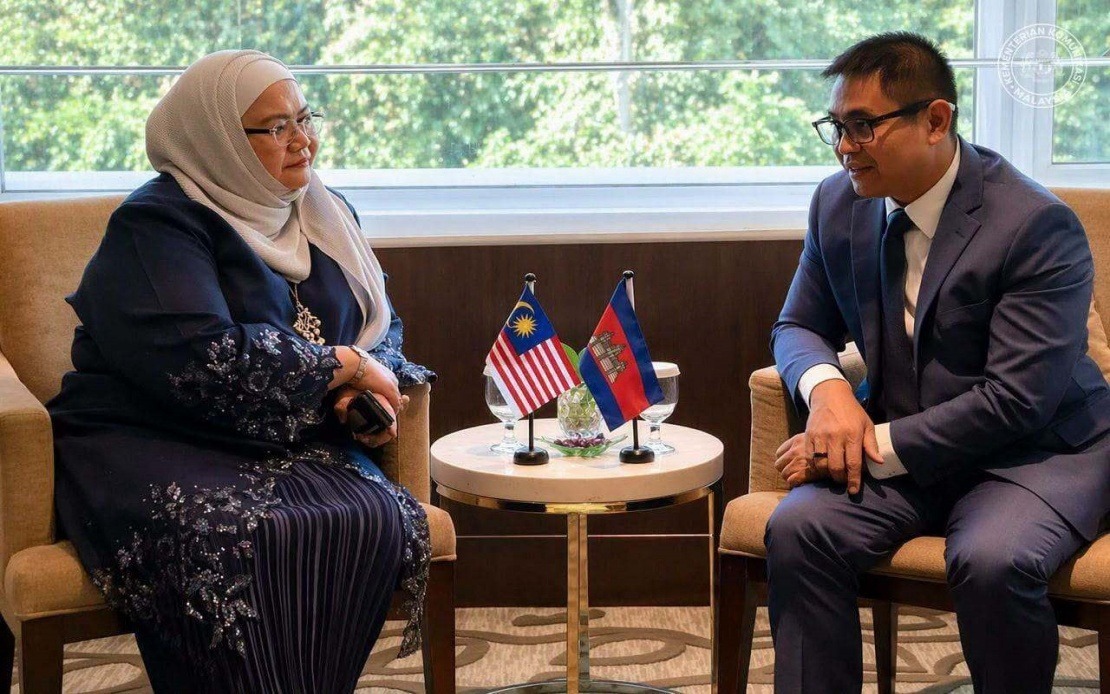
Malaysia and Cambodia are moving forward with concrete steps to activate a landmark cooperation agreement on information and media development, signalling deeper engagement between the two Southeast Asian neighbours on critical communications issues. The bilateral meeting, held on the sidelines of the 23rd ASEAN Senior Officials Responsible for Information meeting in Bandar Seri Begawan, Brunei, represents the first substantive follow-up since the two nations formalised their partnership through a formal memorandum of understanding on June 20.
The meeting brought together senior officials from both countries tasked with translating the agreement's broad aspirations into tangible initiatives. Malaysia's delegation was led by Datuk Bahria Mohd Tamil, Deputy Secretary-General for Strategic Communications and Creative Industry at the Ministry of Communications, while Cambodia fielded Secretary of State Prak Thaveak Amida from its Ministry of Information. The presence of high-ranking officials from both sides underscores the significance both governments attach to this partnership, particularly as regional media landscapes face unprecedented challenges from misinformation and digital disruption.
The MoU was originally signed ad referendum by Communications Minister Datuk Fahmi Fadzil and Prak Thaveak Amida on behalf of Cambodian Information Minister Neth Pheaktra during the National Journalists' Day celebration in Penang. This mechanism—whereby officials sign on behalf of their ministers—reflects the diplomatic protocol often employed in ASEAN when senior figures cannot attend in person, yet indicates the commitment at ministerial level to the agreement's success.
During their discussions, both delegations explored the practical dimensions of their partnership across several interconnected areas. Information exchange mechanisms formed a central topic, as both nations recognise the value of systematic sharing of insights and best practices in media operations. Cambodia and Malaysia also discussed concrete pathways for media development cooperation, reflecting mutual interests in strengthening journalism capacity and newsroom standards across their respective media industries. The dialogue encompassed strategies for digital transformation, acknowledging that both countries must navigate the shift toward digital-first media ecosystems while managing the operational and financial challenges this transition entails.
Information integrity emerged as a particularly pressing theme in their discussions. Both countries face similar challenges related to misinformation, disinformation, and the broader erosion of trust in media institutions. By focusing on this shared concern, Malaysia and Cambodia are positioning their cooperation not merely as a bilateral commercial or cultural exchange, but as a strategic partnership to address a regional security challenge. The evolution of media landscapes has created vulnerabilities that no single country can effectively manage in isolation, making collaborative approaches increasingly essential.
Malaysia's commitment to this partnership extends beyond formal diplomatic courtesy. The Ministry of Communications explicitly stated that the country is dedicated to advancing strategic initiatives that will strengthen both the information and media sectors while building deeper ties between the two nations. This framing suggests Malaysia sees the agreement as serving multiple purposes: enhancing professional standards in regional journalism, facilitating knowledge transfer between media practitioners, and contributing to stability and informed public discourse across Southeast Asia.
The timing of these discussions, occurring within the framework of the ASEAN Senior Officials meeting, situates the bilateral cooperation within the broader context of ASEAN coordination on information matters. The SOMRI mechanism itself represents a structured dialogue on media and communications issues at the senior level, providing an established forum where Malaysia and Cambodia can align their bilateral work with regional initiatives. This nested approach—combining bilateral engagement within a multilateral framework—is characteristic of how ASEAN nations typically deepen cooperation on shared challenges.
For Malaysia, deepening ties with Cambodia on media and information matters carries particular significance given Malaysia's regional role and its stake in Southeast Asian stability. As a country with developed media institutions and regulatory frameworks, Malaysia can potentially serve as a source of expertise and experience for Cambodia, while simultaneously benefiting from Cambodia's perspectives on navigating media development in a different political and economic context. The partnership acknowledges that media challenges and solutions are not uniform across the region, and that tailored approaches rooted in mutual learning are more effective than top-down prescriptions.
The focus on digital transformation within the agreement reflects recognition that both countries must modernise their media ecosystems to remain relevant and viable. Cambodia, in particular, has experienced rapid digital adoption among its population, creating opportunities for news organisations to reach audiences through new platforms while presenting challenges in content moderation and quality assurance. Malaysia's more mature digital media market offers lessons and cautionary tales that Cambodia can benefit from, while Cambodia's experiences with rapid digitalisation in a developing economy context provide valuable insights for Malaysian practitioners.
Looking ahead, the practical success of this MoU will depend on translating these broad commitments into concrete programmes. Potential initiatives might include journalist training exchanges, collaborative research on media trends and challenges, development of shared standards or guidelines for digital content, and perhaps technology-sharing arrangements. The bilateral meeting represents the initial phase of implementation planning, where both sides assess resource requirements, identify priority areas, and establish mechanisms for ongoing coordination and progress monitoring.
The agreement also signals Malaysia's continuing engagement with Cambodia on multiple fronts beyond traditional bilateral relations. This partnership on information and media development complements other cooperative arrangements and positions both countries as proactive participants in managing the information environment that shapes regional discourse. As Southeast Asia grapples with the consequences of digital disruption and evolving security challenges, initiatives that strengthen media resilience and institutional capacity take on heightened importance for regional stability and prosperity.

