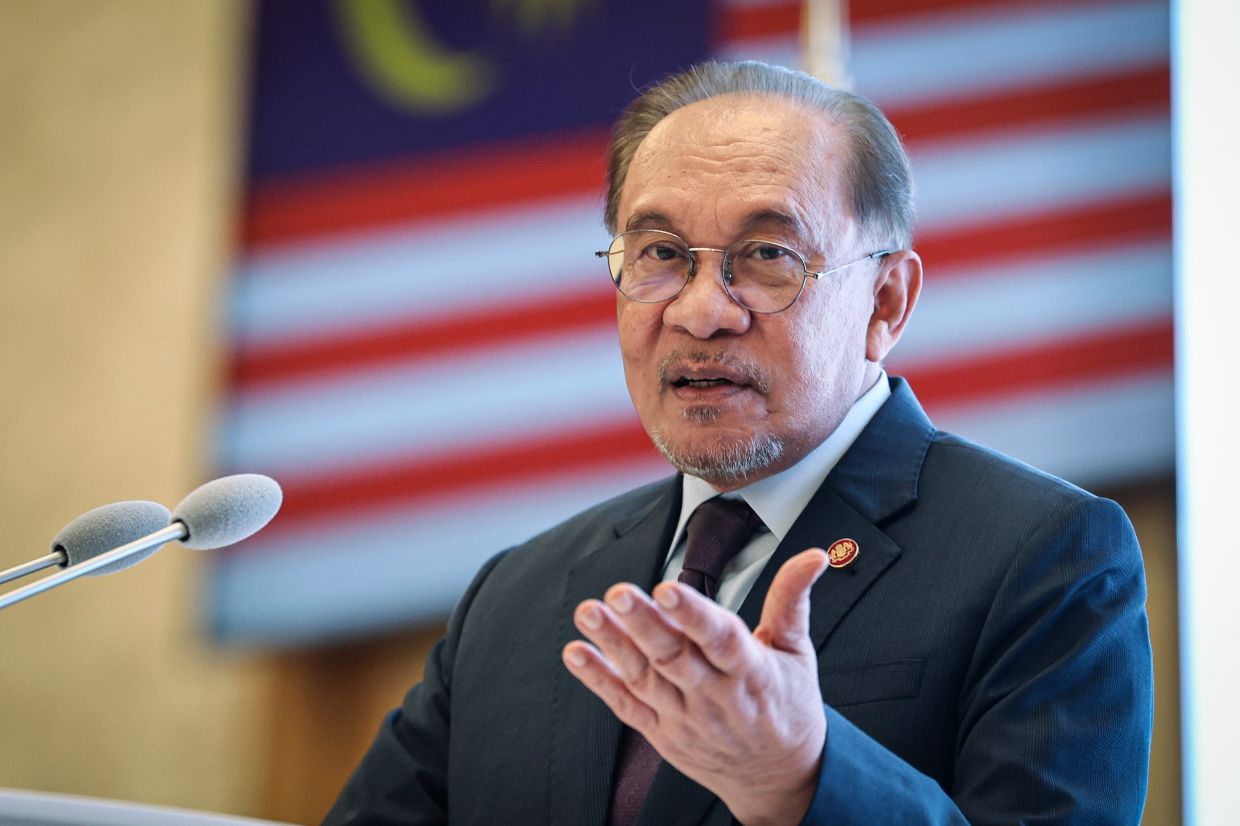
Prime Minister Datuk Seri Anwar Ibrahim has signalled that the long-anticipated master plan for the Johor-Singapore Special Economic Zone will reach completion in the coming months, marking a significant milestone in one of Southeast Asia's most ambitious cross-border development projects. During a courtesy call with Singapore President Tharman Shanmugaratnam, who is on a three-day state visit to Malaysia until July 15, Anwar expressed satisfaction with the momentum building behind the JS-SEZ initiative and pledged continued collaboration between the two nations to bring the framework to fruition.
The Johor-Singapore Special Economic Zone represents a transformative endeavour for both countries, designed to unlock economic potential through integrated development across shared borders. The zone aims to foster seamless trade, investment, and technological innovation by creating a harmonised regulatory environment that transcends traditional national boundaries. For Malaysia, the JS-SEZ offers the opportunity to position Johor as a regional hub for advanced manufacturing, financial services, and digital economy sectors, while simultaneously generating employment and attracting multinational corporations seeking a gateway to Southeast Asian markets. Singapore's participation ensures access to sophisticated infrastructure and expertise, creating a complementary dynamic that benefits both sides.
Anwar, who also holds the portfolio of Finance Minister, utilised the meeting with Tharman to discuss the broader trajectory of Malaysia-Singapore relations beyond the JS-SEZ. The two leaders exchanged perspectives on regional developments and issues of mutual strategic interest, reflecting the comprehensive nature of bilateral engagement. This diplomatic engagement comes as the relationship between the neighbouring nations navigates various complexities, from longstanding territorial matters to contemporary challenges posed by shifting geopolitical dynamics in the Indo-Pacific region.
A critical component of the discussions centred on resolving outstanding bilateral issues through constructive dialogue. Both Anwar and Tharman reaffirmed their commitment to addressing remaining contentious matters through negotiation rather than confrontation, underscoring the importance of maintaining stability and goodwill. The Malaysian Prime Minister emphasised that these efforts are guided by principles of mutual respect and understanding, foundational values that have been jointly established by both governments. This measured approach signals maturity in handling sensitive issues that have occasionally strained ties between Kuala Lumpur and Singapore.
The timing of the JS-SEZ master plan's expected finalisation carries significant implications for Southeast Asian economic architecture. As regional economies grapple with post-pandemic recovery and the need to compete in global supply chains, a fully operationalised special economic zone bridging Malaysia and Singapore could serve as a model for other nations exploring cross-border cooperation. The initiative demonstrates that neighbouring countries can transcend traditional competitive dynamics to create mutually beneficial frameworks that enhance regional competitiveness and resilience. This approach aligns with broader ASEAN principles of constructive engagement and regional integration.
For Malaysian stakeholders, particularly those in Johor, the JS-SEZ represents concrete infrastructure for economic transformation. The state has increasingly positioned itself as an alternative to more congested metropolitan areas, with lower operational costs and strategic proximity to Singapore providing competitive advantages. The special economic zone framework would formalise these advantages while ensuring that development occurs within structured parameters that protect both jurisdictions' interests. Small and medium enterprises, particularly those seeking to internationalise, stand to benefit from the streamlined regulations and integrated logistics that the zone promises to deliver.
The master plan's finalisation will need to address numerous technical and regulatory aspects, including customs procedures, labour mobility, intellectual property protections, and environmental standards. The complexity of coordinating two distinct legal systems and economic frameworks requires meticulous planning and detailed agreements. Singapore's reputation for efficient governance and Malaysia's understanding of regional dynamics suggest that the comprehensive framework being developed will serve as a template for future bilateral economic initiatives within ASEAN. The willingness of both nations to invest time in perfecting these arrangements rather than rushing toward implementation underscores the seriousness with which they view this project.
Anwar's statement also reflects Malaysia's broader foreign policy objective of strengthening relationships with key neighbours while advancing economic interests. By positioning the JS-SEZ as a shared project yielding dividends for both populations, the government seeks to foster public support for cross-border cooperation. This narrative proves especially important for Johor residents, whose proximity to Singapore creates both opportunities and anxieties about economic integration. Framing the initiative around shared prosperity and employment creation helps address concerns about potential displacement or unfair competition.
The diplomatic language employed by both leaders—emphasising trust, mutual benefit, and shared prosperity—sets a constructive tone for implementation. However, translating these aspirations into concrete outcomes requires sustained political commitment and effective coordination across multiple government agencies. The appointment of relevant ministerial committees and working groups will likely accelerate the technical aspects of master plan finalisation. Regular high-level engagement between Malaysian and Singaporean officials appears essential to maintain momentum and resolve implementation challenges as they arise.
Looking ahead, the finalisation of the JS-SEZ master plan should catalyse follow-up initiatives that deepen Malaysia-Singapore economic integration. Beyond the special economic zone itself, expanded cooperation in areas such as digital infrastructure, transportation networks, and skill development could amplify the benefits for both economies. For Malaysia specifically, success in the JS-SEZ can demonstrate its capacity to manage complex international projects, potentially attracting investor confidence and encouraging participation in other regional development schemes.
The JS-SEZ initiative also carries implications for Malaysia's positioning within broader Southeast Asian economic dynamics. As Vietnam, Thailand, and Indonesia pursue their own special economic zones and foreign investment strategies, Malaysia's ability to deliver a successful cross-border project with Singapore signals economic dynamism and institutional capability. This sends important signals to multinational corporations considering regional expansion, suggesting that Malaysia offers both political stability and sophisticated frameworks for conducting business at international standards.

