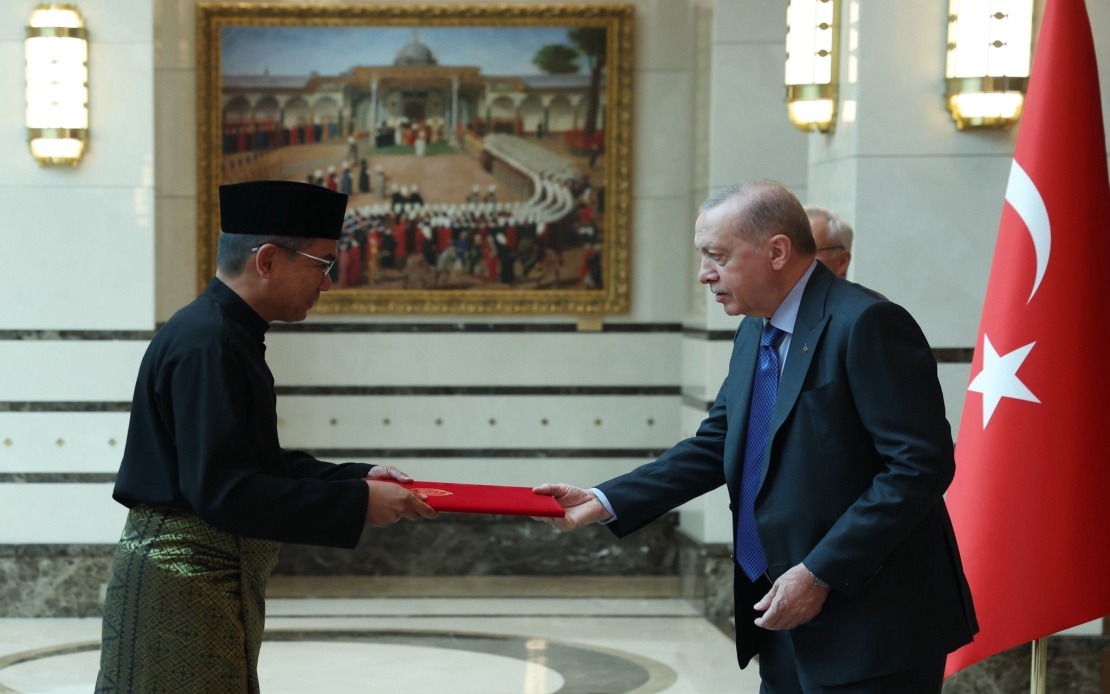
Malaysia has formally expressed its backing for Türkiye's aspirations to become an ASEAN Dialogue Partner, marking a significant diplomatic endorsement that reflects the deepening engagement between Kuala Lumpur and Ankara. The announcement came during the formal presentation of credentials by Malaysian Ambassador to Türkiye, Adlan Mohd Shaffieq, at the Presidential Complex in Ankara on June 17, where he met with Turkish President Recep Tayyip Erdoğan to convey Malaysia's position on the matter.
During the credential ceremony, Ambassador Shaffieq articulated Malaysia's assessment of Türkiye's expanding role in regional affairs, pointing to the country's intensifying economic involvement with Southeast Asian nations and its increasingly strategic orientation toward the region. The ambassador underscored that Turkey has positioned itself as a consequential partner through a multifaceted approach encompassing trade expansion, geopolitical engagement, and strengthened people-to-people connections across ASEAN member states. This characterization reflects Malaysia's view that Türkiye possesses the requisite credentials and commitment to contribute meaningfully to ASEAN's dialogue frameworks and regional architecture.
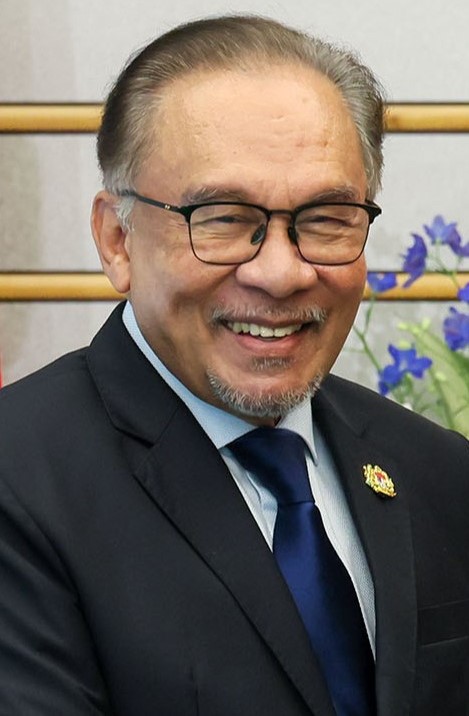
The Malaysian government also seized the opportunity to convey warm greetings and best wishes from His Majesty Sultan Ibrahim, King of Malaysia, and Prime Minister Datuk Seri Anwar Ibrahim to President Erdoğan. These direct expressions of goodwill from Malaysia's highest leadership underscore the importance both nations accord to their bilateral relationship and signal the priority placed on strengthening ties at the highest governmental levels.
Ambassador Shaffieq reiterated Malaysia's unwavering commitment to consolidating the historically enduring friendship and strategic partnership with Türkiye, which has been continuously nurtured through consistent high-level diplomatic exchanges and burgeoning cooperative ventures. The ambassador specifically highlighted three pillars of bilateral collaboration that have gained momentum in recent years: educational cooperation, defence partnerships, and the halal industry ecosystem. These sectors represent areas where both nations possess complementary strengths and shared interests, positioning them as natural focal points for expanded engagement.
The characterization of Malaysia-Türkiye relations emphasizes the foundations upon which the partnership rests: mutual confidence, reciprocal respect, and converging aspirations regarding regional peace, economic prosperity, and sustainable development. Ambassador Shaffieq articulated a vision for leveraging the personal rapport established between President Erdoğan and Prime Minister Anwar Ibrahim to unlock fresh avenues for collaboration, suggesting that the positive interpersonal dynamics between these leaders could catalyze broader institutional and sectoral cooperation across the bilateral relationship.
President Erdoğan, in his reception of the Malaysian ambassador, demonstrated reciprocal enthusiasm for advancing the bilateral relationship, particularly in the economic sphere. The Turkish president expressed confidence that commercial ties between the two nations would continue their upward trajectory, with both sides targeting an ambitious bilateral trade figure of US$10 billion. This articulated objective reflects the economic aspirations embedded in the Malaysia-Türkiye partnership and suggests sustained momentum toward trade intensification and investment expansion.
Türkiye's candidacy for ASEAN Dialogue Partner status carries broader implications for regional architecture and Southeast Asia's strategic positioning in global affairs. The ASEAN Dialogue Partner framework represents an important mechanism through which the regional bloc engages with significant external powers and shapes the contours of regional diplomacy. By supporting Türkiye's aspiration, Malaysia is endorsing the notion that Turkey possesses sufficient strategic weight, regional interests, and institutional commitment to merit deeper engagement with ASEAN's collective platforms.
From Malaysia's perspective, supporting Türkiye's bid aligns with Kuala Lumpur's broader foreign policy orientation, which emphasizes strengthening ties with Muslim-majority nations and strategic partners across diverse geopolitical regions. Malaysia has cultivated relations with Turkey across multiple dimensions, particularly through cooperation in the halal certification and halal industry development, areas where Turkey has emerged as a significant player in global Muslim consumer markets. This convergence of interests provides a practical foundation for the partnership beyond traditional diplomatic and defence cooperation.
The timing of Malaysia's formal endorsement during the ambassador's credential presentation demonstrates Kuala Lumpur's proactive approach to advancing regional connectivity and supporting like-minded partners in their institutional advancement within ASEAN frameworks. For Türkiye, securing support from a respected ASEAN member like Malaysia constitutes a meaningful step toward the broader dialogue partnership objective, as individual member-state endorsements carry weight in ASEAN's consensus-based decision-making processes.
The emphasis on education, defence, and the halal industry as priority cooperation areas reflects both nations' recognition that sustainable partnership requires concrete institutional mechanisms and substantive collaborative programmes beyond ceremonial diplomatic exchanges. These sectors offer tangible benefits to businesses, academics, and defence establishments in both countries, creating stakeholder constituencies with vested interests in deepening bilateral ties and ensuring their continuity across successive administrations.
Looking forward, Malaysia's backing for Türkiye's ASEAN ambitions may encourage other Southeast Asian nations to consider similar positions, potentially facilitating Turkey's transition toward formal dialogue partner status. Such a development would represent a significant evolution in ASEAN's external engagement architecture and reflect the region's recognition of Türkiye's growing relevance to Southeast Asian economic, security, and cultural interests. For Malaysia specifically, championing this cause reinforces its role as a bridge between ASEAN and the Islamic world, leveraging its position to enhance regional partners' access to important external actors.