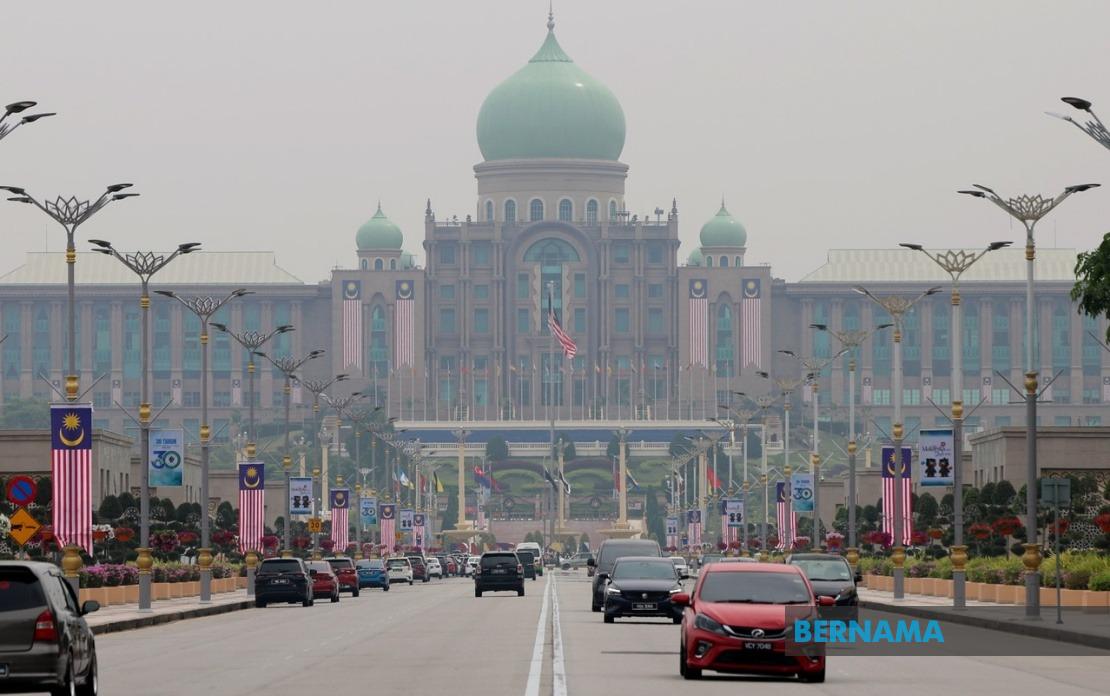
Malaysia's meteorological authorities have sounded the alarm over deteriorating air quality expected to persist until the end of August, with predictions of hazardous haze blanketing multiple regions during a critical period that coincides with the nation's National Day celebrations. The Malaysian Meteorological Department's forecasting models indicate that the phenomenon will be driven primarily by southwest monsoon winds combined with an unusually high concentration of active hotspots across southern Sumatra and western Kalimantan, creating transboundary air pollution patterns that will significantly impact Malaysian territory.
Dr Mohd Hisham Mohd Anip, director-general of MetMalaysia, outlined the gravity of the situation through analysis of the Malaysian Community Multiscale Air Quality Model, which predicts varying degrees of severity across the country's different regions. Sarawak emerges as the area facing the most severe air quality challenges, with the majority of the state's districts anticipated to experience pollution levels classified as Unhealthy by international air quality standards. The situation is particularly concerning as the model suggests that during the latter part of the forecast period, specifically on August 30 and 31, certain Sarawak districts possess the potential to deteriorate further into the Very Unhealthy category, requiring stricter public health warnings and activity restrictions.
The geographic spread of anticipated haze extends across a broad swath of Malaysia. Sabah is expected to begin experiencing hazy conditions from the coming Saturday, marking the beginning of a weather pattern shift in East Malaysia. Meanwhile, the peninsula's western region faces its own challenges, with Johor, Melaka, Negeri Sembilan, Selangor, Kuala Lumpur and Putrajaya all positioned to experience elevated haze concentrations persisting through August 31. This territorial distribution underscores how the transboundary nature of the haze problem affects nearly every major population centre in Malaysia simultaneously.
The timing of this air quality crisis creates additional complications for national planning. August 31 marks Malaysia's National Day, one of the most significant annual celebrations that typically features major public events, military parades and official ceremonies in Putrajaya. Communications Minister Datuk Seri Fahmi Fadzil disclosed that the government is actively evaluating contingency options, including the possibility of scaling down the scale of celebrations or relocating events to alternative venues better positioned to avoid the worst of the haze. Such decisions require careful balancing between public health considerations and the importance of national commemorations.
Prime Minister Datuk Seri Anwar Ibrahim has appealed to Malaysians to undertake religious observances with the aim of containing the severity of the haze situation before the National Day festivities commence. His remarks reflect the government's recognition that the upcoming period encompasses not only the August 31 celebrations but also Malaysia Day on September 16, creating an extended window during which significant public events are scheduled. The appeal underscores the unpredictability inherent in weather phenomena and the limitations of administrative control over atmospheric conditions.
The broader context of these forecasts reveals the persistent challenge of managing transboundary air pollution in Southeast Asia. The hotspots in Indonesian territory, whether from agricultural burning, land clearing activities or other sources, represent a recurring seasonal problem that has affected Malaysia's air quality during monsoon transitions for decades. The southwest monsoon pattern that typically develops in late August channels smoke and particulate matter northwestward into Malaysian airspace, creating a predictable but difficult-to-mitigate phenomenon.
MetMalaysia's commitment to continuous monitoring and updated forecasting demonstrates the importance of real-time atmospheric surveillance during periods of elevated pollution risk. The department indicated that its predictive models will be refined as new meteorological data arrives, allowing for more precise guidance to the public and policymakers. Such dynamic forecasting proves essential for regional planning, particularly when major national events must proceed despite unfavorable environmental conditions.
For Malaysian residents and businesses, the haze warning carries practical implications extending beyond National Day planning. Air quality at the Unhealthy or Very Unhealthy levels poses measurable health risks, particularly for vulnerable populations including children, elderly individuals and those with respiratory or cardiovascular conditions. Schools and institutions may need to modify outdoor activities, while individuals with respiratory sensitivities may require additional medication management. The economic impact of haze-related disruptions, including reduced visibility affecting transportation and outdoor commerce, represents an additional consideration for affected areas.
The situation also highlights Malaysia's ongoing vulnerability to Indonesia's land management practices and burning seasons. While bilateral cooperation mechanisms exist to address transboundary haze, the recurring nature of the problem suggests that longer-term solutions requiring coordinated environmental management across borders remain elusive. For Malaysian policymakers, the periodic haze crises serve as reminders of the interconnected nature of Southeast Asian environmental systems and the limitations of national-level responses to regional atmospheric phenomena.
Looking ahead, residents across the peninsula and East Malaysia should monitor official updates from MetMalaysia and implement personal precautions recommended during periods of poor air quality. The government's willingness to adjust major ceremonial plans demonstrates appropriate prioritization of public welfare over schedule adherence, though such modifications inevitably create organizational challenges for state institutions preparing elaborate celebrations. The coming week will test both Malaysia's capacity to manage transboundary environmental challenges and the resilience of communities accustomed to navigating seasonal air quality fluctuations.

