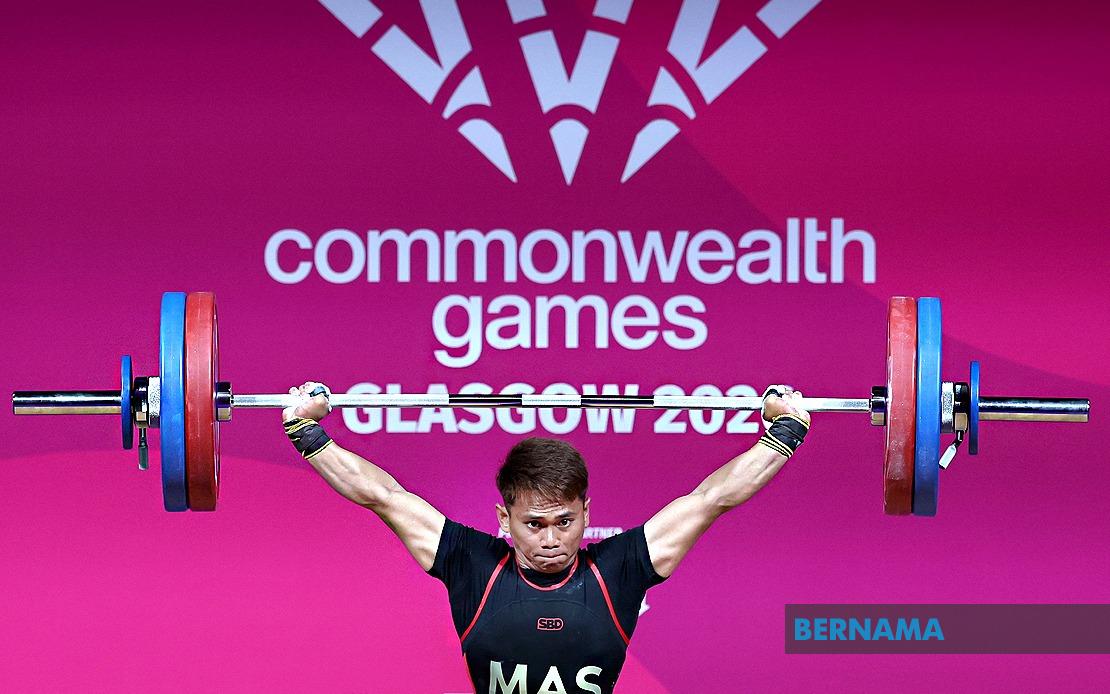
Malaysia has claimed its inaugural gold medal at the 2026 Commonwealth Games through weightlifter Mohamad Aniq Kasdan, whose commanding performance at the Scottish Event Campus Armadillo in Glasgow has ignited national pride. Prime Minister Datuk Seri Anwar Ibrahim extended his congratulations to the 24-year-old athlete, acknowledging the significance of the achievement as it marks the country's first podium triumph at these Games. The occasion represents a milestone moment for Malaysian sport on the international stage, delivering tangible success early in what promises to be an eventful fortnight of competition across Scotland.
Aniq's dominant display in the men's 60 kilogramme weightlifting event showcased technical precision and athletic prowess that left his competitors in his wake. His combined lift of 273 kilogrammes—comprising 121 kilogrammes in the snatch and 152 kilogrammes in the clean and jerk—surpassed the existing Commonwealth Games benchmark, establishing a new record for the category. This performance underscores the quality of preparation and training that has gone into his preparation, reflecting years of dedication within Malaysia's weightlifting programme.
The podium positions at the competition illustrated the depth of talent competing at the Games. Silver medallist Rishikanta Singh Chanambam of India managed 264 kilogrammes, placing him eleven kilogrammes behind Aniq's winning total. Kenya's Joshua Amunga Mboya captured bronze with a lift of 260 kilogrammes, rounding out a competitive field that included some of Asia's strongest lifters in the lighter weight categories. The margin of victory demonstrated Aniq's clear superiority on the day, though the proximity of the silver medalist's performance highlighted the intensity of international weightlifting at this level.
Prime Minister Anwar's public acknowledgement of the achievement carries strategic importance beyond mere sporting congratulation. By elevating the victory to national discourse through his social media platform, he has positioned sports excellence as a matter of government pride and public concern. His statement emphasised that the entire nation shares in Aniq's success, framing individual athletic accomplishment within a broader narrative of Malaysian identity and competitive standing in the global arena. This approach helps galvanise public support for continued investment in sports development and athlete welfare.
The timing of Malaysia's first gold medal sets a powerful momentum for the delegation competing across the remaining events. Aniq's record-breaking performance may serve as psychological impetus for other Malaysian competitors facing their own contests in swimming, badminton, cycling, and other sports where the country traditionally performs well. Early success in high-profile individual sports like weightlifting often catalyses greater confidence and focus among larger squads, potentially yielding additional medals as the Games progress.
Weightlifting has historically been a discipline where Malaysian athletes have demonstrated competitiveness, though consistency at the highest international levels has proven challenging. Aniq's breakthrough performance suggests the national programme may be achieving better standards in talent identification, coaching methodology, and athlete conditioning. His victory validates the investment made in supporting younger generation lifters and indicates that structured development pathways are beginning to yield results that can compete with established powerhouses in Asian weightlifting.
The Commonwealth Games themselves represent a crucial stepping stone for athletes targeting Olympic qualification and international rankings. Success at these Games provides valuable experience competing against top-tier opponents, exposure to high-pressure competition environments, and accumulation of rankings points that influence selection for larger championships. For Aniq, this gold medal victory has elevated his profile significantly and likely enhanced his pathway towards Olympic consideration for future cycles.
Looking forward, the Prime Minister's call for continued success across the delegation reflects realistic optimism about Malaysia's medal prospects. The country has historical strength in badminton, diving, and cycling, sports where established athletes and programmes have delivered multiple medals at previous Commonwealth Games. The injection of momentum from weightlifting success may contribute to enhanced performance across these traditional strength areas.
Aniq's achievement also carries implications for sports sponsorship and support systems in Malaysia. High-profile victories attract media attention and corporate interest, which can translate into improved funding opportunities for athletes and their support teams. Success breeds visibility, and visibility attracts the resources necessary to maintain competitive standards in subsequent years. This positive feedback loop has proven instrumental in sustaining sporting excellence in nations that prioritise athletics investment.

