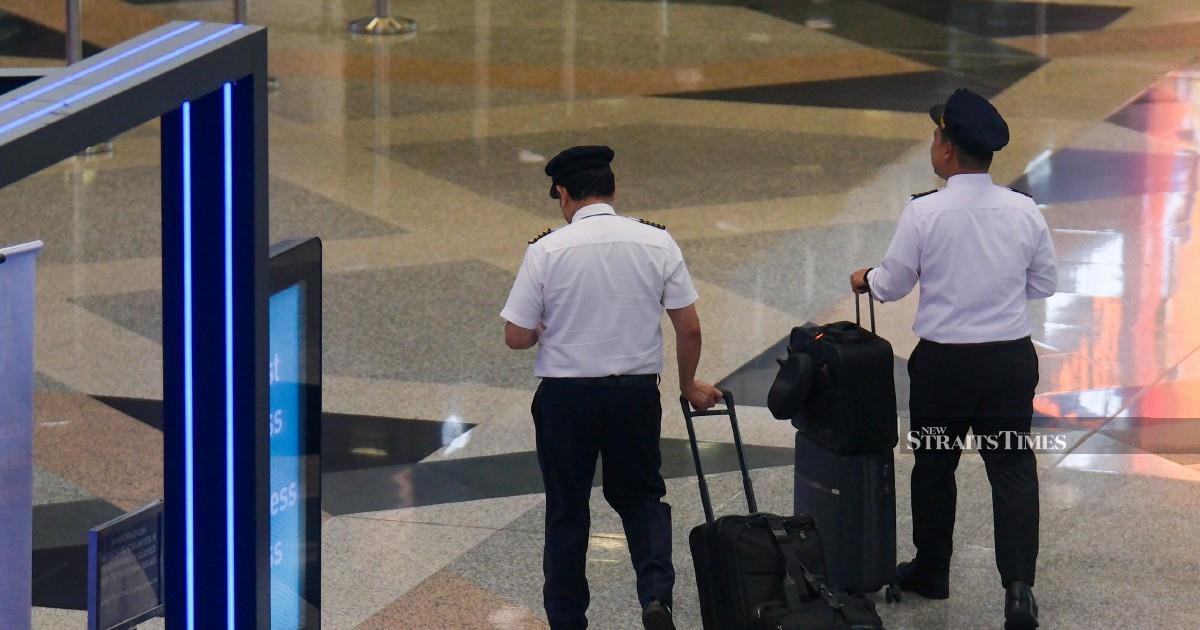
Malaysia Corruption Watch has shifted focus in the investigation of a Malaysian pilot arrested with drugs in Indonesia, calling for a comprehensive examination of security vulnerabilities at Kuala Lumpur International Airport instead of limiting the inquiry to determining which agency bears responsibility for the breach. The watchdog organisation's intervention signals a broader concern about systemic weaknesses that may have allowed the pilot to board an international flight with prohibited substances, raising questions about the adequacy of current airport screening procedures and inter-agency coordination.
The arrest has triggered alarm within Malaysia's civil aviation sector, particularly given KLIA's status as one of Southeast Asia's busiest international hubs. Such incidents carry significant reputational consequences for the airport and the nation's aviation industry, potentially affecting passenger confidence and regional air traffic patterns. Moreover, the case underscores longstanding tensions between enforcement priorities and structural reform in Malaysia's security infrastructure. While identifying responsible parties serves an immediate accountability function, MCW's stance reflects recognition that procedural failures often reflect systemic problems rather than individual negligence.
Security specialists familiar with Malaysia's airport operations have long noted that KLIA's screening procedures, though generally robust, operate within resource constraints common across Southeast Asian aviation. The X-ray baggage systems, random passenger screening, and canine detection units represent industry standards, yet determined operators can sometimes exploit transition points between security zones or gaps in coverage during peak travel periods. The pilot's case appears to exemplify this vulnerability, suggesting that even those with authorised airport access may navigate screening processes in ways that merit closer examination.
MCW's framing of the investigation offers a pathway toward institutional improvement that transcends blame assignment. By emphasising security system review, the watchdog positions the inquiry as an opportunity to strengthen protocols that protect both airport operations and public safety. This approach aligns with international best practice in aviation security, where investigative commissions typically recommend procedural enhancements alongside individual accountability measures. Malaysia's aviation regulator and airport authority would benefit from treating this case as a diagnostic tool rather than merely a disciplinary exercise.
The incident also highlights the particular vulnerability of aviation workers, including pilots, who enjoy greater freedom of movement within secure areas than ordinary passengers. Their legitimate need for expedited access to operational zones creates potential security blind spots. International standards governing airport personnel security require baseline screening, but protocols may vary in their rigour depending on local implementation and resource availability. MCW's intervention implicitly raises the question of whether current vetting and monitoring systems for accredited airport workers remain adequate given evolving trafficking threats.
Singapore's Changi Airport and Thailand's Suvarnabhumi have implemented enhanced security measures specifically targeting aviation sector personnel, including periodic background checks and more intensive screening for those with routine airport access. Malaysia could benefit from benchmarking against these regional peers, particularly given evidence that transnational drug trafficking networks increasingly exploit transportation sector workers. KLIA's management and relevant agencies may find value in comparative analysis of security protocols used by similarly sized hub airports in the region.
The distinction MCW draws between agency accountability and systemic review also addresses a persistent challenge in Malaysian governance: investigations that identify individual culpability without generating structural reforms. When regulatory failures are attributed to specific officials or departments, corrective action often remains limited and temporary. By contrast, investigations framed around system improvement create stronger incentives for comprehensive, lasting changes that benefit the entire airport ecosystem and travelling public.
Civil aviation authorities in Malaysia and internationally recognise that security excellence requires continuous refinement. International Civil Aviation Organisation standards establish baseline requirements, but member states are expected to exceed minimum standards based on threat assessments and operational experience. The pilot's arrest provides valuable intelligence about actual vulnerabilities in Malaysia's system, information that responsible authorities should incorporate into updated security frameworks rather than allowing it to gather dust in investigative files.
MCW's position also reflects growing awareness within Malaysia's governance community that fighting corruption and trafficking requires integrated approaches. Security lapses that enable drug trafficking often correlate with opportunities for corruption, whether through bribery of personnel or exploitation of procedural weaknesses. By prioritising security system review, MCW implicitly advocates for addressing both the immediate trafficking concern and the institutional factors that might enable other wrongdoing. This holistic framing resonates with Malaysia's broader reform agenda in anti-corruption efforts.
The investigation's trajectory will likely influence how KLIA and other Malaysian aviation facilities approach security enhancement over the coming months and years. If the inquiry focuses narrowly on agency blame, corrective measures may be piecemeal and insufficient. Conversely, if investigators embrace MCW's broader framework, the outcome could include updated X-ray protocols, revised access control procedures, enhanced personnel vetting systems, and improved inter-agency communication mechanisms. For Malaysian air travellers and the broader travelling public, that distinction could prove consequential.

