Prime Minister Datuk Seri Anwar Ibrahim will tomorrow officiate the launch of Malaysia's 2026 National Month and Malaysia Day (HKHM2026) celebrations, which will centre on decentralised community engagement rather than centralised spectacle. The Department of Information (JAPEN) has designed a scaled but substantive approach to foster patriotic sentiment across the nation, moving away from previous years' more expansive formats while maintaining meaningful grassroots participation.
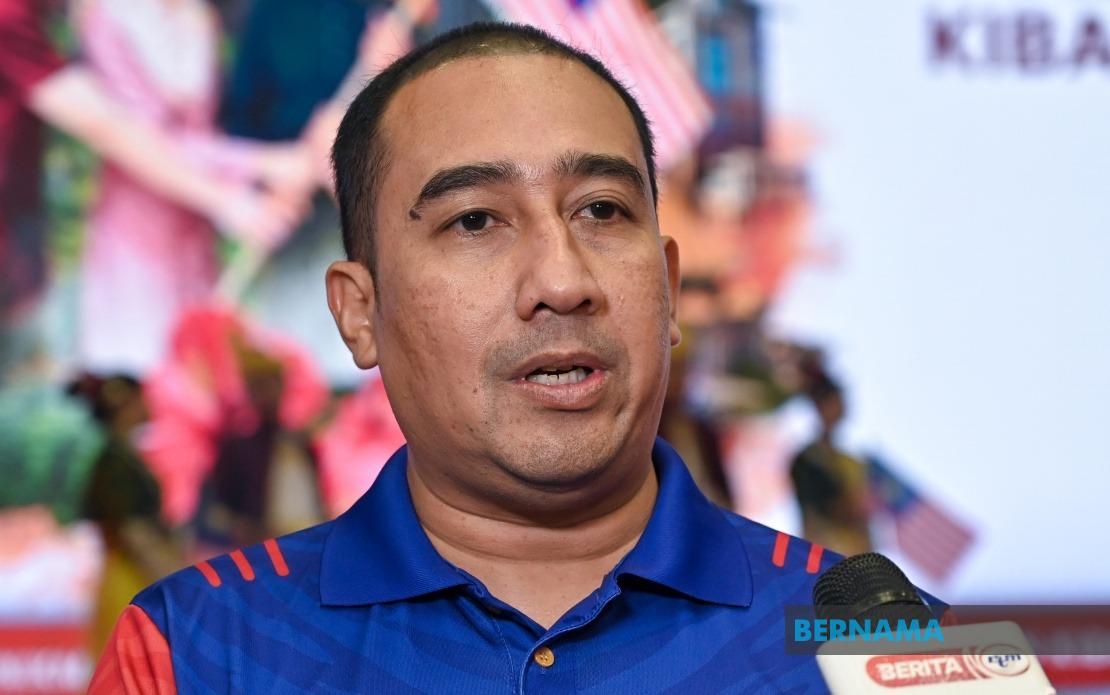
The strategic pivot reflects Malaysia's current governance philosophy of community-centric nation-building. According to Muhammad Najmi Mustapha, director of JAPEN's Communication Services and Community Development Division, the programmes will operate through mobile units stationed at selected checkpoints, places of worship, and sports venues nationwide. This decentralised model allows simultaneous activities across multiple locations rather than concentrating resources in a single venue, potentially reaching broader demographics and embedding national celebrations into everyday community spaces where Malaysians already gather.
The 1 House 1 Jalur Gemilang (1R1JG) campaign represents the structural backbone of this year's initiative. Originally implemented across seven sectors—industry, education, security, health, government agencies, higher education, and community organisations—the campaign has now expanded to encompass two additional clusters: places of worship and sports facilities. This expansion signals recognition that patriotic engagement must transcend traditional institutional boundaries and meet citizens in spaces significant to their daily lives and cultural identities.
The inclusion of places of worship carries particular significance for Malaysia's multiethnic, multireligious society. By extending the flag-flying campaign into these spaces, JAPEN acknowledges that national identity formation occurs not only through state institutions but through the communities and faith traditions that structure social life. At participating houses of worship, JAPEN will distribute Jalur Gemilang kits and provide contributions while inviting congregants to participate in flag-raising ceremonies. This represents a careful negotiation between secular nationalism and religious community life, attempting to demonstrate that patriotism and faith-based identity need not compete but can coexist.
Sports venues as a new cluster similarly recognises the integrative potential of athletic spaces in building national consciousness. Malaysia's diverse sporting culture, from badminton to football to traditional martial arts, attracts participants across demographic lines. By positioning national celebrations within these venues, JAPEN extends patriotic messaging to informal networks and leisure contexts where traditional civic engagement initiatives might struggle to gain traction, particularly among younger populations.
The launch ceremony itself reflects contemporary communications strategy. Rather than relying solely on attendance at a physical venue—the traditional approach limiting participation to those within reach of Ipoh's Dewan Sri Perdana—JAPEN will broadcast proceedings live across multiple digital platforms including RTM, Bernama, Merdeka360 Facebook Live, the Ministry of Communications, and JAPEN's own channels. This multiplatform simultaneous transmission democratises access to the official launch and acknowledges Malaysia's increasingly digital public sphere. Approximately 3,000 in-person attendees are expected, including members of the MADANI Community from across the nation.
Key symbolic elements punctuate the programme. The Merdeka Patriot Run scheduled for the morning session invokes the physical, embodied experience of patriotic participation rather than passive spectatorship. Perhaps most significantly, security forces will resume the formal hoisting of the Jalur Gemilang during the launch ceremony, marking the resumption of this practice after a two-year interruption. This ceremonial restoration carries weight beyond its surface gesture—it signals continuity with established national rituals while simultaneously suggesting that the break represented a deliberate pause or recalibration rather than permanent discontinuation.
The composition of launching elements reveals careful attention to cultural messaging. Alongside traditional flag ceremonies, the official unveiling of the HKHM2026 theme song introduces musical dimension to national celebration. Songs function as repositories of collective memory and emotion, potentially reaching populations who might not engage with written or visual messaging around civic nationalism. The choice to debut a themed composition during the official launch underscores the government's understanding that patriotic sentiment operates through affective and aesthetic registers, not merely rational persuasion.
The "moderate concept" articulated by Muhammad Najmi warrants interpretation within Malaysia's current context. Rather than representing diminishment, the moderate scale likely reflects budgetary constraints, post-pandemic adjustment in gathering practices, or deliberate strategic choice to avoid the excessive spectacle that can sometimes characterise state-sponsored nationalism. This restrained approach potentially makes space for authentic community-level participation rather than orchestrated displays of state power, though the reliance on JAPEN's mobile units and coordinated programming suggests considerable central direction even within the decentralised framework.
For Southeast Asian observers, Malaysia's approach to 2026 celebrations offers a case study in negotiating contemporary nationalism. The expansion into religious and sporting spaces demonstrates recognition that modern nation-states cannot rely exclusively on traditional institutional channels—education, security, formal government structures—to cultivate patriotic consciousness. Instead, successful national identity formation now requires embedding patriotic symbols and narratives into the voluntary associations and community spaces where citizens spend significant time. The digital simultaneity of broadcast extends this logic further, acknowledging that geographical distribution need not prevent shared national experience.
The timing of these celebrations also merits consideration. Occurring in August, Malaysia's National Month and Malaysia Day commemorate the country's independence and formation as a federation. For 2026, these observances carry particular weight as Malaysia approaches its seventh decade of independence. The expanded 1R1JG campaign suggests government confidence in underlying national cohesion sufficient to distribute patriotic messaging widely rather than concentrate it centrally—or conversely, recognition that such cohesion requires continuous, deliberate cultivation through distributed engagement.
The practical distribution of Jalur Gemilang kits through JAPEN's mobile units democratises access to national symbols. Rather than citizens purchasing flags through commercial channels, government facilitation of distribution ensures equitable access across socioeconomic strata and geographical regions. This approach reflects Malaysia's historical commitment to ensuring that national symbolism remains accessible to all citizens regardless of economic means, reinforcing the inclusive nationalism the government seeks to cultivate.

