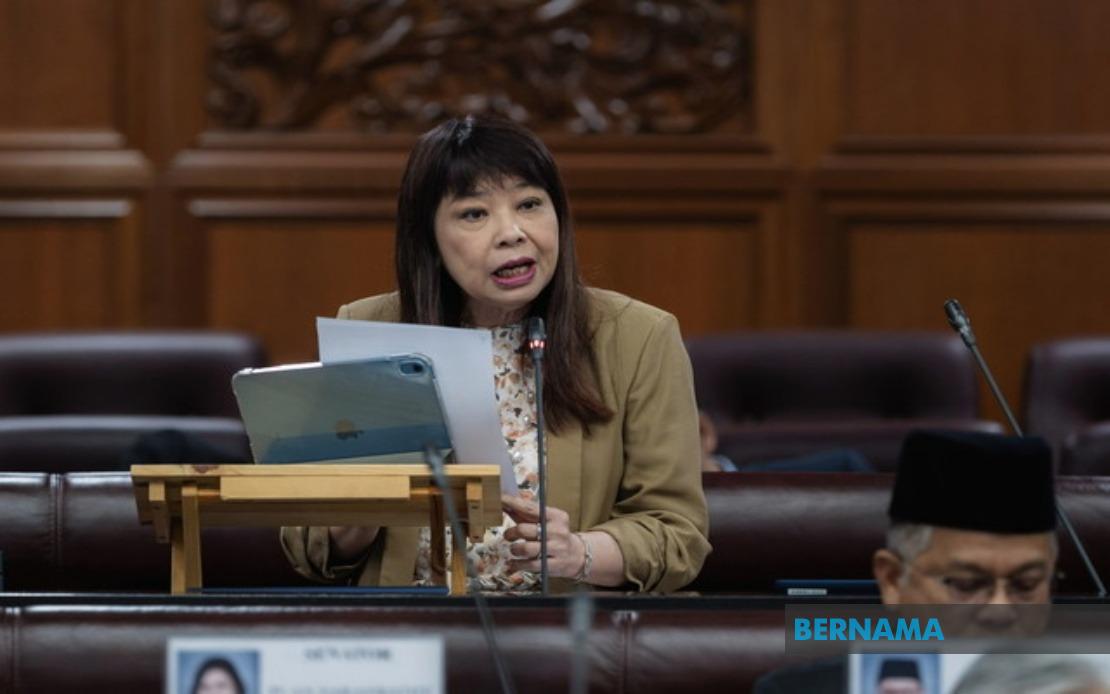
The Malaysian government is actively exploring the creation of a Domestic Violence Offenders Registry as part of a broader effort to disrupt cycles of abuse and enhance victim safety nationwide. Deputy Women, Family and Community Development Minister Lim Hui Ying revealed during parliamentary proceedings that the proposal is currently under joint examination by the Women, Family and Community Development Ministry (KPWKM), the Royal Malaysia Police (PDRM), and Malaysia's judicial system. The collaborative framework reflects recognition that addressing persistent domestic violence requires coordination across law enforcement, social services, and the courts.
The proposed registry would function as a systematic mechanism to document and track individuals with multiple convictions for domestic violence offences. Such a database would represent a significant departure from Malaysia's current approach, which lacks comprehensive national data on repeat offenders. By consolidating criminal records and creating dedicated tracking protocols, authorities aim to identify patterns of re-offending and intervene before further violence occurs. The registry would enable police to flag high-risk individuals, support judicial decision-making on bail conditions and sentencing, and alert protection services to concentrate resources on vulnerable households.
Lim emphasised that developing an appropriate monitoring mechanism remains an ongoing process requiring technical and legal refinement. The absence of accurate baseline data on repeat offenders has hindered previous prevention efforts, making the registry a foundational step toward evidence-based policy. The initiative reflects international best practices observed in countries including the United States, United Kingdom, and Australia, where similar registries have demonstrated utility in risk assessment and victim protection. However, Malaysian authorities must adapt such models to the country's legal framework and social context.
Beyond the registry proposal, the government is investing substantially in immediate victim support infrastructure. KPWKM has committed RM2.1 million during the current financial year specifically for renovating and improving more than 20 government-operated shelters for domestic violence survivors throughout Malaysia. These facilities serve as critical sanctuaries, providing temporary accommodation for individuals fleeing unsafe home environments whilst pursuing legal remedies or rebuilding their lives independently.
The shelter expansion programme addresses a significant infrastructure gap in Malaysia's victim protection ecosystem. According to Social Welfare Department records current as of July 2026, Malaysia maintains 43 officially approved shelters under the framework of the Domestic Violence Act 1994. This total comprises 39 facilities managed directly by government agencies and four operated by non-governmental organisations. The upgrade initiative ensures these locations maintain adequate safety standards, functional amenities, and readiness to accommodate fluctuating demand for emergency refuge.
Accompanying the registry and shelter initiatives, Malaysia's Social Welfare Department offers a graduated system of legal protection orders tailored to different risk scenarios. Emergency Protection Orders represent the most time-sensitive intervention, issued within two hours when individuals face imminent danger. The rapid deployment mechanism acknowledges that domestic violence crises can escalate unpredictably, requiring swift administrative response. These temporary orders typically impose immediate restrictions on the perpetrator's movement or contact with the victim pending formal court proceedings.
Interim Protection Orders and longer-term Protection Orders provide subsequent layers of legal safeguarding. Interim orders bridge the gap between emergency intervention and formal court adjudication, whilst Protection Orders represent the definitive civil remedy available under domestic violence legislation. By assisting victims through each stage—from emergency stabilisation to sustained legal protection—the department creates a pathway toward safety and independence. The accessibility of these mechanisms without requiring private legal representation remains crucial for economically disadvantaged victims.
The comprehensive approach reflects mounting recognition that domestic violence represents not merely a private family matter but a systemic public health and security challenge demanding coordinated governmental response. Repeat offenders account for a disproportionate share of domestic violence incidents, suggesting that targeting persistent abusers yields substantial protective benefits across entire communities. Malaysia's strategy of combining deterrence through registry systems with victim-centred support services addresses both perpetrator accountability and survivor welfare.
For Malaysian society, the registry proposal carries implications extending beyond individual case management. Successful implementation requires establishing robust data-sharing protocols between police, courts, and social welfare agencies whilst protecting victim privacy and ensuring due process rights for accused individuals. The system must balance vigilance against dangerous repeat offenders with safeguards against discriminatory misuse or function creep. Building public trust in such mechanisms depends on transparent governance standards and periodic independent review.
Regional perspective suggests Malaysia's initiative aligns with broader Southeast Asian momentum toward strengthening domestic violence protections. Countries including Thailand, the Philippines, and Indonesia have similarly expanded legal frameworks and institutional capacity in recent years. Regional cooperation on best practices, professional training, and information-sharing could amplify the effectiveness of individual national programmes. Cross-border coordination becomes particularly relevant given that some perpetrators may flee jurisdictions or maintain contact across borders.
The timeline and operational details of the registry remain under development, with KPWKM working alongside PDRM and judicial authorities to design implementable protocols. Questions regarding data retention periods, access protocols for frontline responders, and mechanisms for record expungement or correction will require careful deliberation. International experience suggests that registries function most effectively when integrated into comprehensive victim protection systems rather than operating in isolation.
For domestic violence survivors and advocacy organisations in Malaysia, the registry proposal represents incremental progress toward a more protective policy environment. Combined with shelter investments and expanded legal remedies, the registry signals governmental commitment to disrupting patterns of repeat abuse. However, advocates emphasise that implementation quality will ultimately determine impact—well-resourced, victim-centred execution can meaningfully enhance safety, whilst poorly managed systems risk creating false security or inadvertently burdening vulnerable populations with additional bureaucratic obstacles.

