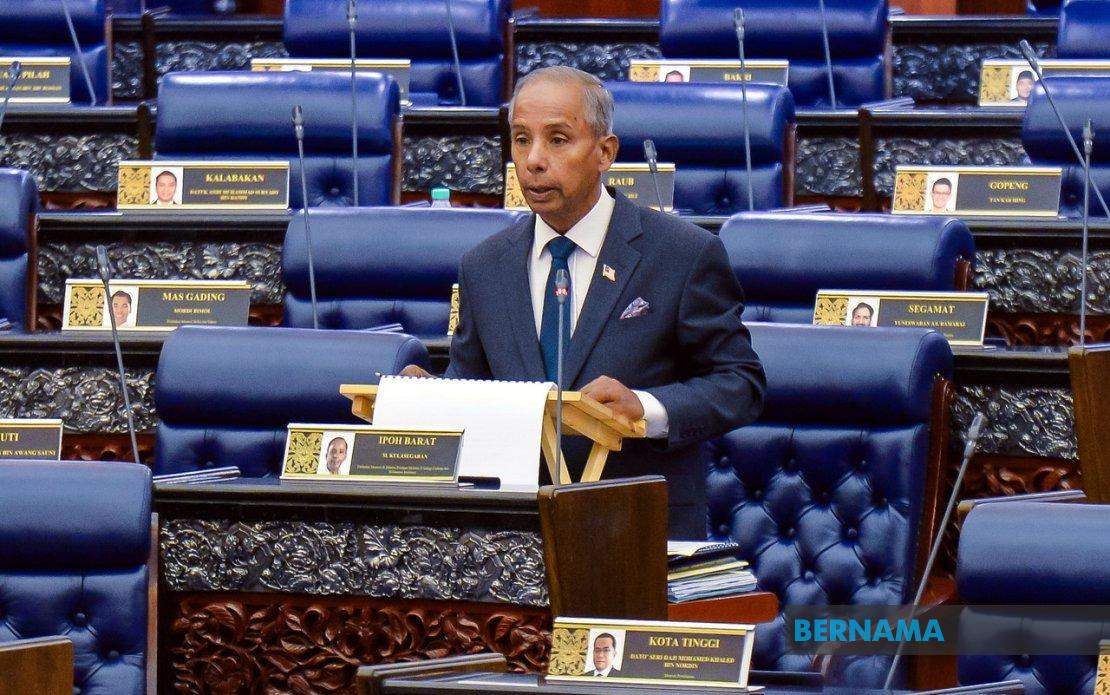
Parliament has moved to strengthen Malaysia's defences against child sexual abuse by approving the Sexual Offences Against Children (Amendment) Bill 2026 on June 30, a legislative shift that fundamentally expands the country's capacity to pursue predators who operate across international borders. The measure, which secured backing from both government and opposition benches after debate involving 25 legislators, signals a decisive commitment to protecting vulnerable children regardless of where offences occur, while simultaneously acknowledging the complexities of enforcing Malaysian law extraterritorially in a globalised world.
The amendment addresses a persistent vulnerability in Malaysia's legal framework: the ability of offenders with local connections to exploit jurisdictional loopholes by committing child sexual abuse in foreign countries and then evading accountability upon return. By extending the Act's reach beyond Malaysian territory, authorities gain a critical tool to hold accountable those who would otherwise escape prosecution simply by relocating the venue of their crimes. This is particularly significant given Malaysia's position as a middle-income nation with substantial international migration patterns, where citizens and long-term residents routinely travel or work abroad.
Deputy Minister M. Kulasegaran, speaking in his capacity as head of the Prime Minister's Department's Law and Institutional Reform division, clarified an important distinction that underscores the amendment's measured approach. The legislation does not grant Malaysia blanket jurisdiction over every international child protection case, nor does it position the country as a global enforcer of its own standards regardless of local context. Rather, it establishes the legal foundation for Malaysian authorities to act when offenders possess meaningful ties to the nation, preventing what would otherwise be an absolute escape route for abuse.
The practical mechanics of enforcement involve careful coordination between Malaysian authorities and their counterparts in the jurisdiction where the crime occurred. When reports are filed simultaneously in multiple countries—a scenario increasingly common in digital-age abuse cases involving online exploitation and child trafficking networks—the relevant authorities are expected to engage in formal consultations through established international channels. These discussions consider multiple variables including the location of witnesses, availability of evidence, the capacity of respective law enforcement agencies, and ultimately which prosecution would best serve the interests of justice and the welfare of the child victim.
This framework reflects international best practice in tackling transnational crime, avoiding the jurisdictional conflicts that can paralyse investigations when multiple nations assert overlapping claims. Malaysia's approach aligns with similar provisions adopted across Southeast Asia and beyond, where countries increasingly recognise that effective child protection requires legal tools matching the borderless nature of predatory networks. The amendment demonstrates parliamentary recognition that legacy legal frameworks designed for a less-connected era have become inadequate for addressing modern child exploitation, which frequently involves digital platforms, international trafficking routes, and perpetrators who deliberately exploit jurisdictional gaps.
The distinction between primary and secondary jurisdiction remains crucial to the amendment's constitutional soundness and international acceptability. The country where abuse physically occurred retains primary investigative and prosecutorial authority, maintaining respect for local sovereignty and the principle of territorial jurisdiction fundamental to international law. Malaysia's role becomes one of complementary enforcement, stepping in when the offender's Malaysian connection creates both opportunity and moral obligation to pursue justice, or when local authorities cannot effectively do so. This subsidiarity principle prevents the amendment from creating the impression that Malaysia asserts hegemonic legal authority over global child protection matters.
For Malaysian victims of child sexual abuse perpetrated abroad, the amendment offers tangible hope for accountability previously unavailable. Consider a scenario where a Malaysian citizen commits abuse in Thailand or Indonesia, returns to Malaysia, and faces no prosecution because the crime technically occurred elsewhere. Under the previous legal structure, Thai or Indonesian authorities alone could pursue the case, potentially limited by investigative capacity, political will, or competing priorities. Now Malaysia can independently prosecute, offering the child's family and Malaysian law enforcement a direct path to justice without dependency on international cooperation that may prove inadequate. This is particularly valuable in cases where the offender has strong local roots and substantial family or business interests in Malaysia.
The cross-party support reflected in the parliamentary vote—with both government and opposition members endorsing the measure—suggests recognition that child protection transcends partisan politics. This consensus is significant because it signals that the amendment likely represents genuine parliamentary will rather than contentious political positioning, increasing prospects for serious implementation and resource allocation. Opposition support also suggests the measure underwent sufficient scrutiny to address legitimate concerns about overreach or constitutional implications, lending it additional credibility among international partners assessing Malaysia's commitment to child protection standards.
For Southeast Asia more broadly, Malaysia's legislative evolution reflects a regional trend toward harmonising child protection laws and enhancing cross-border enforcement capacity. As ASEAN nations increasingly recognise that child sexual exploitation networks operate internationally—utilising multiple jurisdictions to shield perpetrators and exploit vulnerable children—the region benefits from individual countries strengthening their domestic legal arsenals. Malaysia's amendment creates opportunities for mutual legal assistance agreements with neighbours, potentially enabling more effective prosecution of multinational exploitation rings.
Implementation challenges remain significant. Malaysian law enforcement and judicial systems will require training and resources to effectively investigate and prosecute crimes occurring in foreign jurisdictions, necessitating coordination with international partners and potentially the engagement of local counsel in other countries. The amendment's success ultimately depends on adequate funding for these capacities and genuine commitment from the judiciary and police to treat such cases with appropriate priority. Additionally, clarifying regulations and guidelines explaining how authorities will exercise their new extraterritorial jurisdiction will be essential to prevent confusion or inconsistent application.
The amendment also carries implications for Malaysia's international standing and diplomatic relationships. By demonstrating serious legislative commitment to global child protection standards, Malaysia strengthens its position in international forums and enhances trust with partner nations on mutual legal assistance. However, careful implementation respecting local sovereignty and legal norms in other countries will be essential to maintaining positive diplomatic relationships, particularly with immediate neighbours. The clarification that Malaysia does not assume automatic jurisdiction demonstrates awareness of these sensitivities.
For child protection advocates and civil society organisations across Malaysia, the amendment represents legislative recognition of persistent institutional gaps that organisations have documented for years. Many abuse cases previously proceeded without Malaysian prosecution despite clear offender-victim connections, creating apparent impunity that undermined confidence in the system. The amendment addresses this frustration directly, though advocates will need to remain vigilant regarding implementation and resource allocation. Success will be measured not merely by legislative passage but by actual prosecutions and convictions under the amendment's provisions in coming years.

