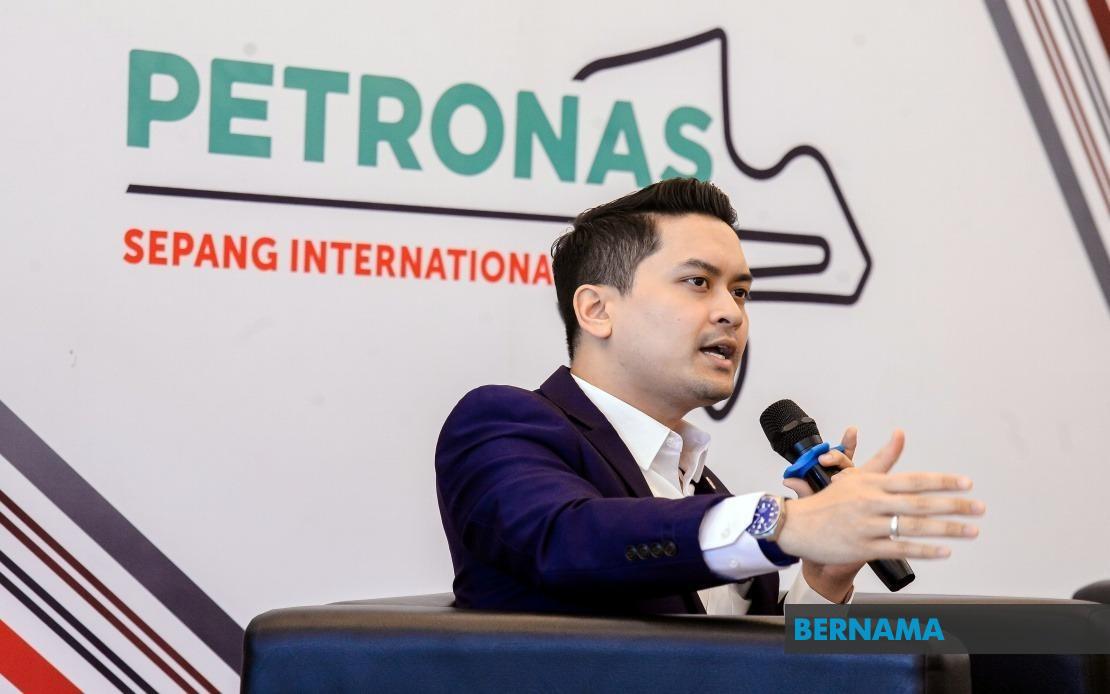
Malaysia is actively exploring the prospect of returning to the Formula 1 calendar with a potential October race at the Sepang International Circuit, marking a significant development in the country's motorsports ambitions. Youth and Sports Minister Dr Mohammed Taufiq Johari confirmed that the Ministry of Youth and Sports (KBS) is engaged in substantive discussions and conducting detailed assessments regarding the feasibility of hosting the prestigious event. The proposal has gained momentum following preliminary indications received by both the Prime Minister Datuk Seri Anwar Ibrahim and the ministry, signalling renewed interest in bringing world-class motorsport back to Malaysian shores after an eight-year absence.
The timing of this opportunity stems from the volatile geopolitical situation in West Asia, which has already disrupted the 2024 Formula 1 calendar significantly. In mid-March, when regional tensions escalated, race organisers postponed the Bahrain and Saudi Arabian Grand Prix events originally scheduled for April, forcing the cancellation of two races from what was initially planned as a 24-race season. This disruption reduced the championship calendar to 22 races and created logistical uncertainties for the remainder of the year. Formula 1 management subsequently attempted to reschedule the Bahrain Grand Prix for the first weekend of October, positioning it between the Azerbaijan and Singapore legs of the championship.
However, recent escalations in tensions between the United States and Iran have dramatically altered these plans, rendering the October Bahrain race increasingly untenable from an operational and security standpoint. The unpredictability surrounding potential further disruptions to races in the Gulf region has prompted Formula 1 to consider alternative venues at short notice. According to motorsports portal the-race.com, if the championship's final two races scheduled for Qatar on November 29 and Abu Dhabi on December 6 cannot proceed as planned due to continuing regional instability, F1 management is actively exploring contingency options to maintain the season's viability and contractual obligations to broadcast partners and stakeholders.
Malaysia and Turkey have emerged as the primary candidates to fill the October 4 date on the calendar, with each venue presenting distinct advantages and logistical considerations. Sepang International Circuit, which hosted the Malaysian Grand Prix annually from 1999 until 2017, possesses the necessary infrastructure, international safety standards, and operational expertise accumulated over nearly two decades of hosting world championship racing. The circuit's removal from the calendar seven years ago was driven by escalating hosting costs and increasingly burdensome international licensing fees, economic pressures that had become unsustainable within Malaysia's then-available motorsports budget allocations.
The return of Formula 1 to Malaysia would represent a substantial triumph for the nation's sporting development agenda and would substantially elevate the country's profile within the global motorsports community. Beyond the immediate prestige and international television exposure, hosting the race would generate considerable economic activity across multiple sectors, including hospitality, tourism, transportation, and ancillary services. The three-day spectacle typically attracts over 100,000 spectators annually and draws thousands of international visitors, creating employment opportunities and tourism revenue that extends well beyond race weekend itself. Local businesses, hotels, restaurants, and entertainment venues benefit measurably from the influx of international audiences.
Formula 1 management is expected to reach a definitive decision regarding the October 4 race slot during the championship's mid-season break, which commences following this weekend's Hungarian Grand Prix in Budapest. The timing allows organisers several weeks to finalise arrangements, secure necessary permits, coordinate with local authorities, and establish broadcasting and operational protocols. F1's racing schedule resumes at the end of August with subsequent European rounds, providing a window for formal announcements and preparations before the championship transitions toward its autumn and winter Asian legs.
Minister Dr Mohammed Taufiq Johari's statement emphasised the KBS's enduring commitment to advancing Malaysia's sporting capabilities and international competitiveness across multiple disciplines, with motorsports representing a particularly important component of that broader developmental strategy. The ministry explicitly indicated that further announcements would be forthcoming only once negotiations and assessments have reached conclusive stages, reflecting the fluid nature of ongoing discussions with Formula 1 management and international bodies. This cautious approach protects Malaysia from potential embarrassment should negotiations ultimately prove unsuccessful while maintaining constructive dialogue behind the scenes.
For Malaysia, the prospect carries considerable symbolic significance beyond mere economic or sporting considerations. The country's motorsports infrastructure and technical expertise have evolved substantially since 2017, with domestic racing talent continuing to develop and regional interest in motorsports remaining robust. A return to the F1 calendar would reinvigorate grassroots motorsports participation, inspire emerging drivers, and demonstrate to the international sporting community that Malaysia remains a serious contender for hosting premier international events despite previous financial constraints. The venture also signals Malaysia's broader economic recovery and renewed capacity to undertake major capital-intensive projects.
The geopolitical dimension of this development merits consideration within the Southeast Asian context. F1's presence in Malaysia would strengthen the region's positioning within the global sports calendar and reinforce Southeast Asia's importance to international motorsports and entertainment industries. With Singapore also hosting a night race annually, Malaysia's potential return would enhance the region's motorsports credentials and create a compelling Southeast Asian showcase for the championship during the critical October-November window. This concentration of races within the region maximises broadcast efficiency for Asian audiences and underscores the area's growing economic and sporting significance.
From a purely logistical perspective, Sepang's recent experience and established relationships with international motorsports authorities provide substantial advantages over less frequently used venues. The circuit's infrastructure, medical facilities, security protocols, and international broadcast capabilities have been maintained to competitive standards despite the seven-year hiatus from the championship calendar. Reactivating these systems would be considerably more straightforward than constructing entirely new racing infrastructure, reducing both implementation timescales and financial outlays required for hosting.
Stakeholders across Malaysian sports, tourism, and business sectors are watching developments closely, anticipating that positive news regarding F1's return could materialise within weeks rather than months. The announcement would be greeted enthusiastically by motorsports enthusiasts, tourism operators, and government officials seeking concrete evidence of Malaysia's resurgent international sporting profile. However, officials are appropriately cautious about making premature commitments before Formula 1 formally confirms its scheduling decisions and logistical requirements for potential October races.

