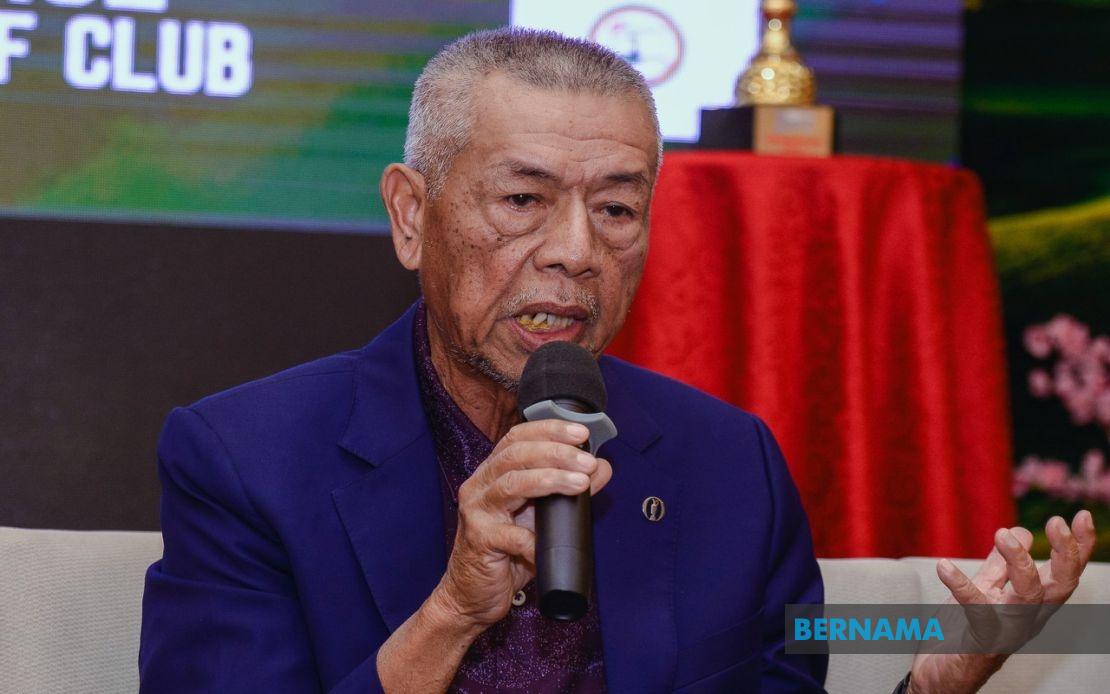
The Malaysian Golf Association has escalated its request to the Ministry of Youth and Sports for government support in appointing a full-time national golf coach, signalling an ambitious strategy to elevate the sport ahead of Malaysia's hosting of the 2027 SEA Games. MGA president Tan Sri Mohd Anwar Mohd Nor raised the critical infrastructure need during talks with KBS secretary-general Datuk Rahimi Ismail, emphasising that a dedicated coaching position would enable the association to construct a more comprehensive and professionally managed preparation framework for the national team competing in the biennial regional championship.
The appointment of a permanent, high-calibre coaching figure represents a foundational shift in how Malaysian golf approaches elite athlete development. Currently, the sport operates without such dedicated infrastructure, a gap the MGA believes hampers the nation's competitiveness at regional level. By establishing this position, the association argues it can implement systematic training methodologies, provide consistent mentorship, and create measurable performance benchmarks across the national squad. The move reflects broader international best practices where competitive golfing nations maintain permanent coaching structures to ensure continuity and professional oversight of player development pipelines.
During the launch of the 100PLUS MGA National Junior Development Programme Junior Series 2026 at The Mines Resort & Golf Club in Serdang, Tan Sri Mohd Anwar underscored that MGA's approach encompasses multiple layers of institutional support. Beyond the coaching position, the association is actively coordinating with both the National Sports Council and the Ministry to align golf development initiatives with government sports policy frameworks. This collaborative approach positions golf within Malaysia's broader sporting ecosystem, potentially unlocking additional resources, funding mechanisms, and athlete support programmes that might otherwise remain inaccessible to the sport.
The timing of this initiative carries significant strategic importance. By securing government backing now, approximately 18 months before the 2027 Games, the MGA can establish baseline performance standards, identify talent gaps, and execute targeted training cycles. International experience demonstrates that premature coaching appointments allow sufficient time for newly appointed figures to assess current squad capabilities, introduce refined training methodologies, and implement gradual performance improvements that materialise at championship events.
Beyond the coaching position, MGA's preparation strategy encompasses geographic diversification of training venues. The association has initiated conversations with Sarawak's Minister of Youth, Sports and Entrepreneur Development, Datuk Seri Abdul Karim Rahman Hamzah, to explore hosting specialised training camps in the East Malaysian state. This proposal reflects strategic thinking about utilising diverse playing environments, as Sarawak's golf courses present distinct terrain and climate conditions that could provide valuable competitive preparation unavailable in peninsular Malaysia.
For Malaysian golf enthusiasts and stakeholders, the 2027 Games represent a unique opportunity. Hosting the championship domestically eliminates travel fatigue affecting away competitors, while home advantage typically translates to psychological benefits and familiarity with tournament venues. However, home hosting simultaneously creates heightened expectations—the Malaysian public will anticipate strong gold medal performances, particularly in professional-standard events. Without adequate preparation infrastructure, including dedicated coaching support, the national team risks disappointing domestic audiences and missing a rare opportunity to dominate a regional competition played on home soil.
The broader context involves Malaysia's historical golf performance at SEA Games. While golf has produced occasional medallists, the sport has not consistently positioned itself as a medal-winning enterprise at regional championships. Establishing permanent coaching infrastructure signals MGA's determination to transition golf from a periodic medal contributor to a systematic medal-producing mechanism. This repositioning requires institutional commitment, sustained government funding, and professional management structures that transcend ad-hoc arrangements dependent on individual volunteer efforts.
From a regional perspective, Malaysia's investment in golf coaching infrastructure reflects competition dynamics across Southeast Asia. Nations like Thailand and Vietnam have developed increasingly sophisticated golf programmes supported by government resources. By seeking comparable institutional arrangements, MGA acknowledges competitive pressures and the necessity of matching regional rivals' commitment to sporting excellence. The 2027 Games will provide comparative evidence of whether Malaysia's investment strategy effectively elevates national competitiveness relative to other regional powers.
The Ministry of Youth and Sports will assess MGA's proposals within broader government sporting priorities. Golf's inclusion in SEA Games indicates official recognition of the sport's standing, yet resource allocation across numerous sports requires careful prioritisation. The MGA's success in securing coaching funding will depend on convincing government decision-makers that golf development delivers measurable returns—whether through medal acquisition, athlete welfare, facility development, or broader participation growth. Demonstrating tangible progress on the junior development front, exemplified by the 100PLUS NJDP programme launch, provides concrete evidence that institutional investment yields measurable outcomes.
Looking forward, the establishment of a full-time coaching position would represent a watershed moment for Malaysian golf. It would signal transition from a traditional club-based amateur sport toward a systematised, government-supported elite development pathway. Such institutional evolution mirrors similar transformations in Malaysian badminton and squash, sports that evolved from grassroots foundations into professionally structured medal-producing enterprises through deliberate government investment and institutional collaboration. Whether golf can replicate such success depends on securing the foundational coaching infrastructure MGA currently seeks.

