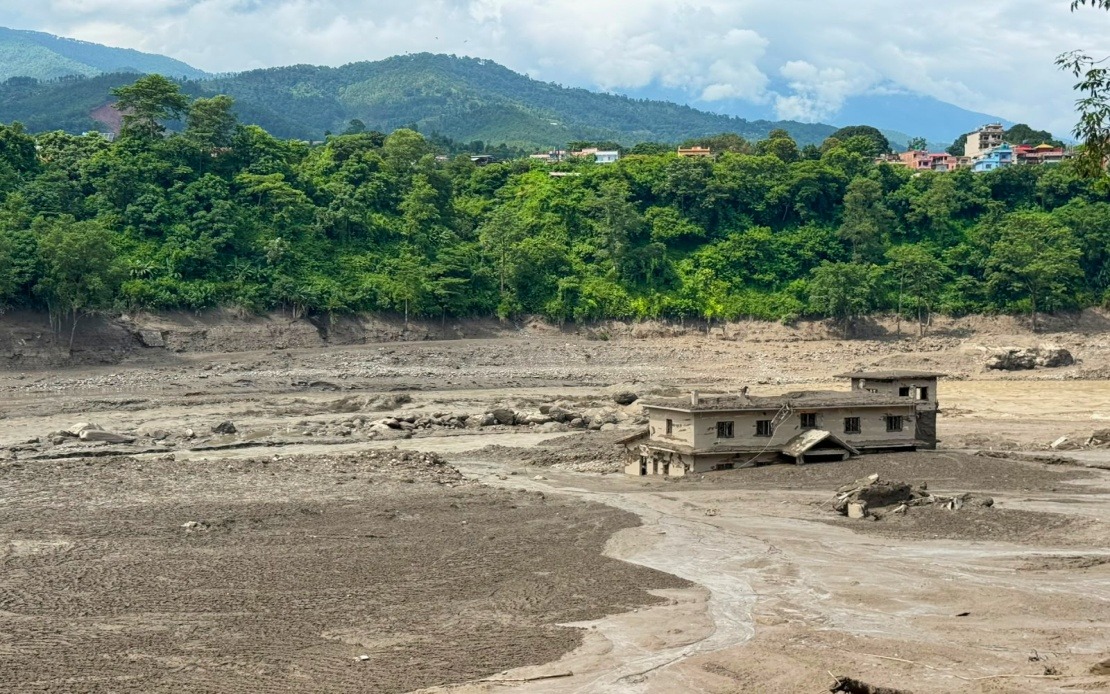
Prime Minister Datuk Seri Anwar Ibrahim has expressed deep concern over the devastating flash floods that struck Rasuwa district in Nepal, revealing that the government is engaged in active efforts to locate 54 Malaysian citizens who have lost contact with authorities. Speaking through a Facebook statement, Anwar underscored the urgency of the situation and affirmed that locating these individuals and determining their welfare remain critical priorities for the MADANI Government.
The Malaysian Embassy in Kathmandu is collaborating directly with Nepalese authorities and relevant agencies to coordinate the search and rescue operations. In a demonstration of regional coordination, officers from the Malaysian High Commission in Dhaka, Bangladesh, have been deployed to strengthen ground-level coordination efforts and provide additional support to the diplomatic mission in Nepal. This multi-jurisdictional approach reflects the seriousness with which Malaysia is treating the crisis and the logistical challenges posed by the disaster's location.
According to preliminary reports, the catastrophic flooding was triggered by intense rainfall coupled with glacier landslides along the Bhote Koshi River in the Nepal-Tibet border region. The combination of these natural disasters has created a complex emergency situation that extends beyond simple flood management. The affected area, which straddles one of South Asia's most remote and challenging terrain zones, presents significant obstacles to rescue and recovery operations.
The infrastructure damage has been severe and multifaceted. Communication networks have been severely disrupted, making it extremely difficult to establish contact with people in the affected zones or to coordinate relief efforts efficiently. The main road connecting the disaster area to Kathmandu has been cut off, effectively isolating the affected communities and complicating the movement of both rescue personnel and displaced residents seeking refuge in safer areas. This isolation represents a critical challenge that extends beyond Malaysia's immediate concerns, affecting the broader humanitarian response across Nepal.
Anwar's public statement serves a dual purpose: reassuring Malaysian families awaiting news of their loved ones while demonstrating government responsiveness to the crisis. He emphasised that the Foreign Ministry would maintain close monitoring of developments and would continue to marshal all available resources to protect Malaysian citizens and address their immediate needs. The Prime Minister's involvement at this level signals the diplomatic weight Malaysia is placing on resolving the situation expeditiously.
The scale of the unaccounted-for Malaysians—54 individuals—suggests that a significant group was likely in the region for tourism or trekking purposes at the time of the disaster. The Rasuwa district, part of the Langtang region in Nepal, is a popular destination for international trekkers and mountaineers seeking to explore the Himalayan terrain. The season and accessibility of trekking routes in this period would make it plausible that a substantial Malaysian contingent was present during the flooding.
For Malaysia, this incident underscores the ongoing vulnerability of citizens travelling abroad, particularly in geographically remote or natural-disaster-prone regions. While Nepal's tourism industry is generally well-established and equipped to handle visitors, the unpredictable nature of glacier-related disasters in border regions means that even well-planned trips can encounter unforeseen hazards. The incident will likely prompt renewed discussions within Malaysia regarding travel advisories and pre-departure briefings for citizens heading to high-altitude or ecologically sensitive regions.
The broader Southeast Asian context is worth noting here. Malaysia's diplomatic response—involving both the Kathmandu mission and leveraging resources from Bangladesh—reflects the practical reality of regional cooperation in crisis management. Bangladesh's geographic proximity to Nepal and its own diplomatic infrastructure can provide logistical support that might otherwise require Malaysia to work through less efficient channels. This kind of cooperative framework, though not formally publicised, represents an important dimension of regional statecraft during emergencies.
Anwar's call for public prayer and collective hope reflects both the genuine uncertainty surrounding the situation and the cultural resonance of such appeals within Malaysia's Muslim-majority society. The phrase "Insya-Allah" embedded in his statement connects the government's material efforts with spiritual confidence, framing the response as comprehensive and holistic. This rhetorical approach, while rooted in faith, also serves to acknowledge the limits of what immediate government action can achieve when natural disasters create chaotic conditions.
The humanitarian dimensions of this crisis extend beyond the Malaysian contingent. Nepal's own populations in the affected areas face similar or greater challenges, and international relief efforts will necessarily focus on the broader disaster context. Malaysia's diplomatic engagement, while understandably focused on its own citizens, occurs within this larger humanitarian framework. The coordination with Nepalese authorities suggests that Malaysia is positioning itself as a cooperative partner in regional crisis response rather than pursuing a purely national interest angle.
Looking ahead, the resolution of this crisis will likely depend on improving access to the affected zone, restoring communications infrastructure, and conducting systematic searches of affected settlements and trekking routes. As the Kathmandu mission and its coordinating partners work through these challenges, Malaysian families and the government itself remain in a period of anxious uncertainty. The coming days will be critical in determining outcomes for the unaccounted-for citizens and in shaping Malaysia's approach to travel safety protocols and disaster preparedness in the future.

