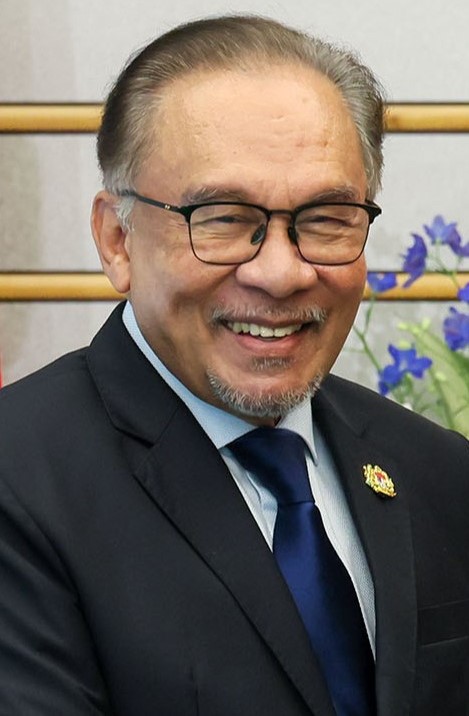
The government has issued a fresh appeal for Malaysians to exercise restraint and empathy when discussing the Rohingya community residing in the country, as public discourse around the stateless minority group grows increasingly heated. Speaking from Putrajaya, a senior minister underscored the importance of grounding policy responses in both humanitarian principles and legal obligations, suggesting that the conversation has at times veered toward polarization that undermines constructive dialogue.
This intervention reflects mounting tension between Malaysia's long-standing role as a de facto haven for Rohingya refugees and mounting domestic pressures regarding integration, resource allocation, and social cohesion. With the Rohingya population in Malaysia estimated at over 180,000, the community represents one of the largest concentrations outside the camps of Cox's Bazar in Bangladesh, yet their legal status remains uncertain and deeply contested. The minister's statement appears designed to recalibrate public expectations and counter what officials perceive as inflammatory rhetoric that could undermine both humanitarian efforts and Malaysia's regional standing.
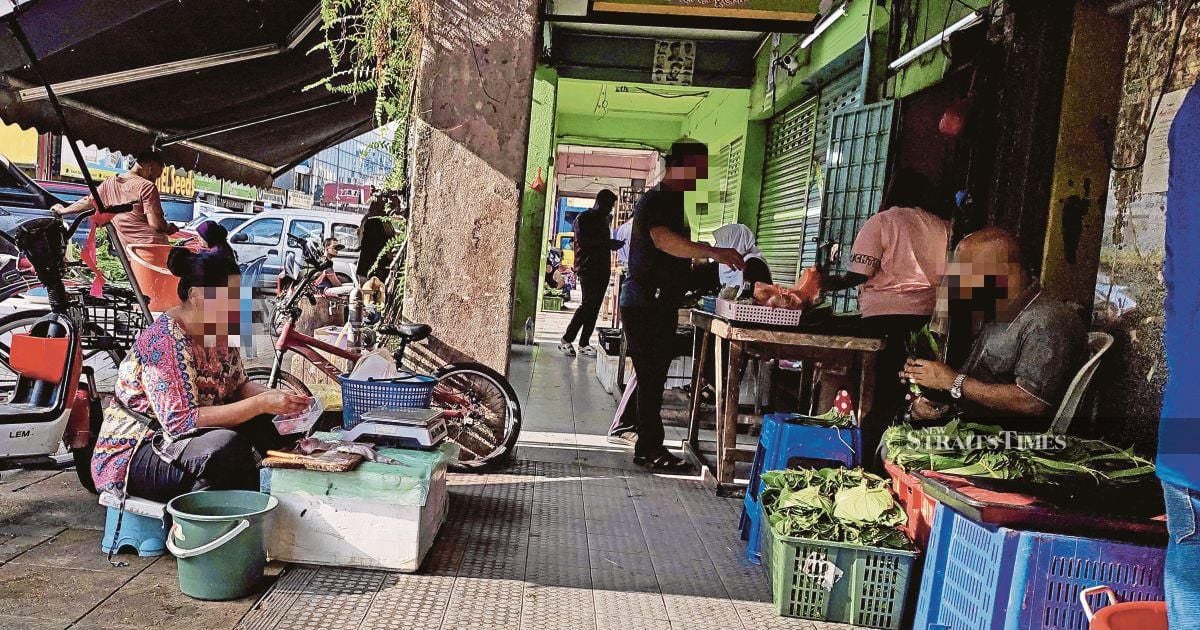
The rising public sentiment referenced by government officials reflects broader anxieties within Malaysia about economic competition, employment opportunities, and the strain on public services. In recent years, concerns over job displacement in certain sectors, particularly among lower-income Malaysians, have crystallized into more vocal criticism of refugee populations. These grievances, while rooted in genuine economic hardship for segments of the population, have occasionally morphed into hostile rhetoric that obscures the practical realities facing the Rohingya themselves, who remain unable to work legally or access formal education in most cases.
Media coverage has played a significant amplifying role in shaping public perception. While responsible journalism documenting the challenges faced by both host communities and refugees serves an important function, sensationalized reporting and the spread of unverified claims through social media have accelerated polarization. The government's appeal to balanced reporting suggests officials recognize that media narratives directly influence whether the public views Rohingya primarily as vulnerable refugees requiring protection or as competing claimants for scarce resources.
Malaysia's legal framework presents genuine complexities that any balanced discussion must acknowledge. As a signatory to the 1951 Refugee Convention only in geographic scope limited to Asia, Malaysia's obligations remain constrained. The country does not have a domestic asylum law, meaning Rohingya legally occupy an ambiguous status—not citizens, not formally recognized refugees under Malaysia's domestic system, yet present and residing in communities across Peninsular Malaysia and Sabah. This legal grey zone has created administrative challenges and contributed to incidents of detention and deportation despite international humanitarian law concerns.
The humanitarian imperative, conversely, rests on the principle that regardless of legal status, individuals fleeing persecution and violence warrant basic protections. The Rohingya crisis represents one of the world's worst humanitarian situations, with military operations in Myanmar's Rakhine State having prompted mass displacement and documented atrocities. Malaysian citizens and residents have responded generously through charitable organizations and grassroots initiatives, reflecting the compassion the minister seeks to preserve and celebrate.
Balancing these competing demands requires sophisticated policy design that the government has struggled to articulate clearly. Some analysts argue that formalizing the status of long-term Rohingya residents, even without full citizenship rights, could paradoxically reduce tensions by enabling better integration, employment, and security planning. Others contend that regularization would create a pull factor that increases irregular migration. Scandinavian and Canadian models of refugee integration offer lessons, though they operate in vastly different demographic and economic contexts than Malaysia.
Regional dynamics further complicate the equation. Myanmar shows no signs of creating conditions for large-scale voluntary repatriation in the near term, rendering Bangladesh—which hosts nearly one million Rohingya in camps—increasingly unable to shoulder the burden alone. Thailand, Indonesia, and other Southeast Asian neighbors have taken restrictive stances, placing greater weight on Malaysia to maintain openness. Yet this position generates political costs domestically, particularly when economic hardship makes citizens receptive to zero-sum framings of resource distribution.
The minister's intervention also carries implicit messaging to certain domestic constituencies. By emphasizing both humanity and law, the government seeks to occupy middle ground against voices on the right who oppose any accommodation of Rohingya and those on the left who argue for expanded rights and protections. This centrist positioning, while politically prudent, sidesteps harder questions about whether current policies can sustainably serve either principle adequately.
Looking forward, Malaysia's approach to the Rohingya will remain a bellwether of its commitment to humanitarian values within the constraints of its legal and political system. The minister's call for balance acknowledges that neither pure compassion without legal guardrails nor rigid legalism without human considerations offers an adequate framework. However, translating this principle into concrete policies that address economic anxieties, strengthen integration mechanisms, and provide genuine prospects for affected populations remains an ongoing challenge requiring political will beyond rhetorical appeals.