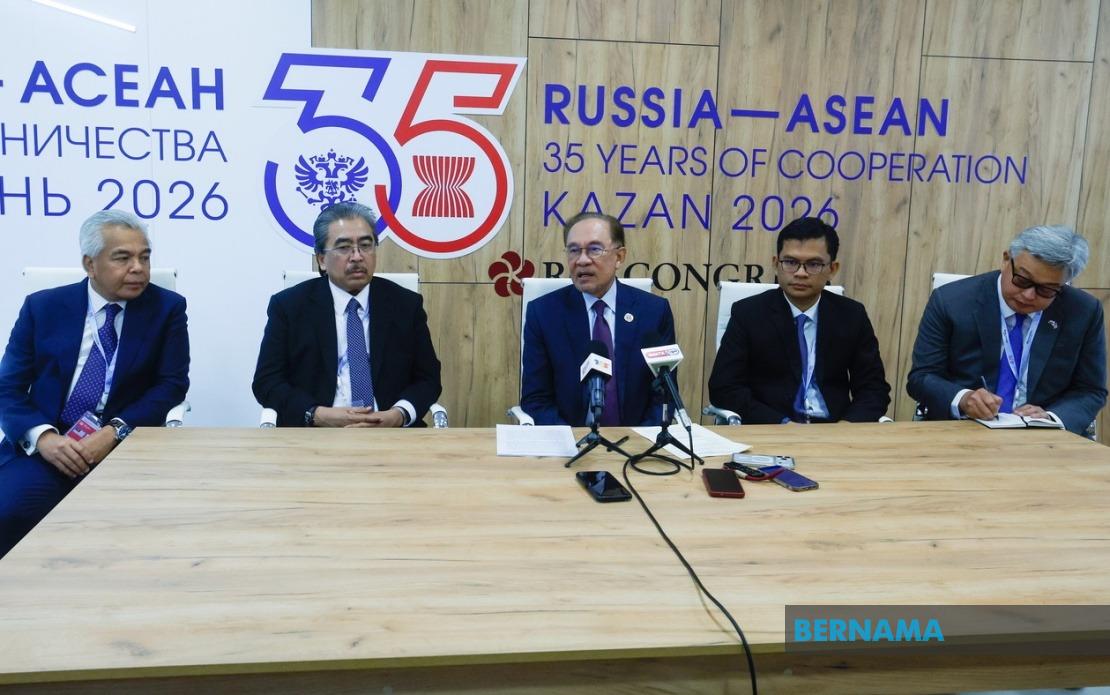
Prime Minister Datuk Seri Anwar Ibrahim has called for the acceleration of visa-free travel arrangements and direct flight routes between Malaysia and Russia, arguing that bureaucratic obstacles and outdated payment systems are deterring Russian visitors from choosing Malaysia as a holiday destination. Speaking to journalists in Kazan following the ASEAN-Russia Commemorative Summit, Anwar highlighted the substantial disparity in Russian tourist arrivals to Malaysia compared with neighbouring countries that have cultivated stronger diplomatic relationships with Moscow.
The data tells a stark story of missed opportunity. While Turkey attracts approximately five million Russian tourists annually and Thailand welcomes around two million, Malaysia receives only 100,000 visitors from Russia each year. This asymmetry is particularly striking given Malaysia's geographic position, diverse attractions, and established tourism infrastructure. The gap suggests that Malaysia is failing to capitalise on what should be a natural and lucrative market segment in an era when strengthening ties with Russia has become increasingly important for regional economies.
Anwar identified multiple systemic obstacles preventing Russian tourists from accessing Malaysia more easily. The absence of direct flight connections between the two countries forces travellers to undertake lengthy journeys through intermediate hubs, adding time, cost, and inconvenience to the travel experience. Payment infrastructure represents another significant barrier, with Russian banking systems and transaction methods often incompatible with Malaysia's current financial mechanisms. These practical impediments compound to create a situation where prospective Russian tourists opt for easier alternatives, such as Thailand or Turkey, where visa procedures and payment systems have been streamlined.
The Prime Minister's critique extends beyond merely identifying problems to questioning Malaysia's willingness to embrace necessary modernisation. He expressed frustration with entrenched governmental procedures that he characterised as antiquated and overly rigid, suggesting that Malaysia remains unnecessarily constrained by conventional approaches that no longer reflect contemporary travel and commerce realities. His comments underscore a broader administrative philosophy: that Malaysia's competitive disadvantage stems not from resource limitations but from institutional inertia and excessive caution.
Crucially, Anwar addressed the diplomatic dimension that may be contributing to Malaysia's hesitation. He suggested that some policymakers harbour concerns about how third countries might perceive enhanced Malaysia-Russia cooperation, potentially leading to negative international reactions. This defensive posture, Anwar implied, is counterproductive and unjustifiable. Countries pursue their own strategic interests without necessarily deferring to external disapproval, and Malaysia should adopt a similarly pragmatic approach. The suggestion that Malaysia should overcome such inhibitions resonates with his broader foreign policy orientation emphasising strategic autonomy and non-alignment.
The Prime Minister drew parallels with Iran, another nation that Malaysia maintains diplomatic relations with while facing similar international sensitivities. He argued that Malaysia should not allow concerns about third-party reactions to constrain its engagement with nations including Russia and Iran. This framing presents the visa and flight facilitation issue not merely as a tourism question but as a test of Malaysia's diplomatic independence and willingness to pursue national interests without excessive deference to external pressure.
Increasing Russian tourism carries significant economic implications for Malaysia's tourism sector. The hospitality, retail, and service industries would benefit substantially from an additional flow of high-spending international tourists. Russian visitors, particularly during winter months when their domestic climate becomes inhospitable, represent a valuable market segment with demonstrated purchasing power across multiple sectors. Enhanced tourism revenue would support employment in hotels, restaurants, attractions, and transportation, generating multiplier effects throughout the economy.
The timeline for implementation remains unclear, though Anwar's language suggests this is a priority rather than a distant aspiration. Airlines would need to undertake route planning and capacity assessments before establishing direct services. Visa policy changes require coordination between Malaysia's immigration authorities and Russia's diplomatic mission. Payment system integration involves collaboration between Malaysian financial institutions and Russian banking counterparts. Simultaneous progress across these multiple fronts requires coordinated governmental action and private sector partnership.
Anwar's position reflects a broader regional trend toward deepening Russia engagement despite Western pressure. Many Southeast Asian nations, including Thailand and Vietnam, have successfully cultivated tourism sectors that attract significant Russian visitation while maintaining broader international relationships. Malaysia's relative underperformance in accessing this market segment suggests missed strategic opportunity. By addressing the practical barriers that Anwar identified, Malaysia could position itself more competitively within the region while simultaneously strengthening people-to-people connections with Russia and supporting its tourism industry's revenue growth.

