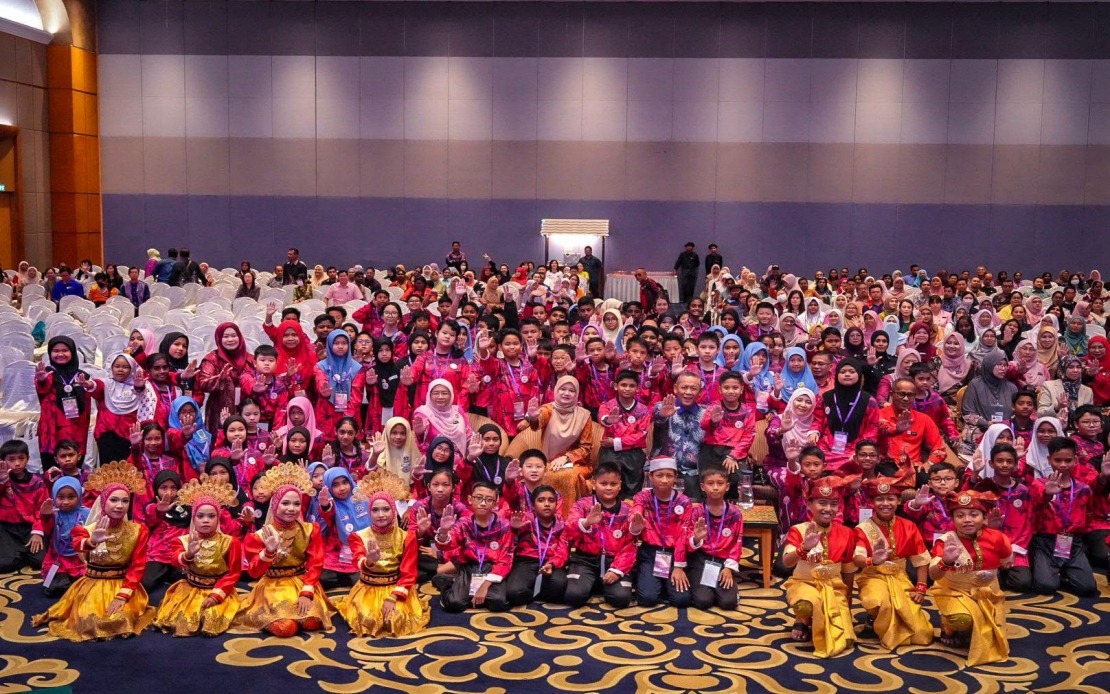
Education Minister Fadhlina Sidek has stressed that addressing the mounting challenges to student safety in Malaysian schools demands far more than isolated interventions—it requires a cohesive, multi-stakeholder strategy underpinned by genuine commitment from every party involved in the education ecosystem. Speaking at the Mutiara Diri Programme in Kuala Lumpur on July 16, Fadhlina articulated a vision where schools function as sanctuaries where every child can learn, grow, and develop without fear or harm, framing school safety not as a peripheral concern but as foundational to educational quality itself.
The education portfolio holder made clear that public confidence in Malaysia's school system hinges on demonstrable action to safeguard pupils. She underscored that there can be no negotiation or softening of standards when it comes to protecting children from physical or emotional harm. This uncompromising stance signals a recognition that security breaches—whether involving violence, bullying, abuse, or psychological distress—erode not only individual student wellbeing but institutional legitimacy and parental trust in the system as a whole.
Fadhlina's emphasis on creating a "safe school ecosystem" reflects growing international understanding that safety encompasses far more than preventing physical incidents. A genuinely secure educational environment must address systemic vulnerabilities, embed protective practices at every institutional level, and foster cultures where children feel empowered to report concerns without fear of retaliation or dismissal. Her framing suggests recognition that isolated security measures—metal detectors, guards, surveillance—prove inadequate without complementary work on school culture, staff training, reporting mechanisms, and psychological support.
Central to her vision is strict compliance with safety guidelines and child protection policies across all Ministry of Education institutions. This regulatory backbone is essential; without standardised protocols and accountability mechanisms, individual schools operate inconsistently, leaving vulnerable populations—particularly younger and socially marginalised students—at elevated risk. Fadhlina's insistence on comprehensive implementation signals that the ministry recognises inconsistent application of safety measures as a critical weakness that must be remedied.
Equally significant is her attention to mental health dimensions of school safety. Psychological wellbeing and emotional security are increasingly understood as inseparable from physical safety. Students experiencing depression, anxiety, or trauma are at heightened risk of both perpetrating and experiencing harm. Moreover, schools functioning as early-detection sites for mental health issues can connect struggling children with support before crises emerge. This holistic framing aligns Malaysian education policy with contemporary evidence on protective factors and trauma-informed practice.
Fadhlina's call for parental and educator collaboration signals that school safety cannot be a top-down mandate imposed without buy-in from frontline stakeholders. Parents possess crucial insights into their children's wellbeing and school experiences; teachers and support staff spend more waking hours with students than most families do. When parents and educators function as genuine partners—rather than adversaries or mere implementers of bureaucratic directives—information flows more freely, concerns surface earlier, and interventions prove more tailored and effective. This collaborative framing could, if operationalised genuinely, represent a significant shift from traditional hierarchical education governance.
The participation of Negeri Sembilan Menteri Besar Datuk Seri Aminuddin Harun underscores that school safety requires coordination across federal and state spheres. Malaysia's federal system divides education authority between the federal Ministry of Education and state-level implementation, meaning lasting progress depends on alignment between these levels. The presence of state leadership at this event signals political commitment beyond rhetoric and suggests potential for coordinated action at grassroots level where schools actually operate.
Fadhlina's characterisation of the Mutiara Diri Programme as "significant advocacy" rather than a routine event highlights that addressing school safety requires sustained cultural shift, not one-off awareness campaigns. Transforming school environments—shifting norms around discipline, bullying, reporting, and psychological support—demands repeated messaging, institutional reinforcement, and visible consequences when standards are violated. An advocacy approach suggests long-term engagement with the values and behaviours that either enable or prevent harm.
For Malaysian families, this ministerial emphasis carries direct implications. The rhetoric of zero compromise on child safety, while welcome, now requires translation into concrete resource allocation, staff training, grievance mechanisms that actually protect reporting students, and accountability when institutions fail protective duties. Parents navigating Malaysia's school system should expect—and demand—evidence of implementation, not merely policy pronouncements. Schools should be able to demonstrate current safety protocols, staff training records, and accessible complaint processes.
Regionally, Malaysia's prioritisation of school safety reflects patterns emerging across Southeast Asia, where rapid urbanisation, social change, and digital connectivity have complicated the security environment that students navigate. Singapore's intensive focus on school safety, Thailand's initiatives addressing student mental health, and Indonesia's efforts to reform discipline practices all reflect recognition that traditional approaches prove insufficient for contemporary challenges. Malaysia's emphasis on strategic, comprehensive approaches positions the country within this regional conversation.
The challenge ahead lies in translating Fadhlina's stated commitment into sustained, adequately-resourced action. School safety requires funding for infrastructure improvements, teacher training in trauma-informed practice and safeguarding, mental health professionals embedded in schools, transparent reporting systems, and follow-through on investigations. It requires cultural work to shift punitive discipline paradigms toward restorative approaches. Without these concrete investments and structural changes, ministerial rhetoric—however sincere—risks remaining symbolic rather than transformative.
Fadhlina's insistence that "children have the right to be in an environment that is safe, dignified, and prosperous" articulates an aspiration that most Malaysians would endorse. The question now is whether the ministry and its partners possess the will and capacity to move from aspiration to systematic implementation across Malaysia's diverse, complex school system.

