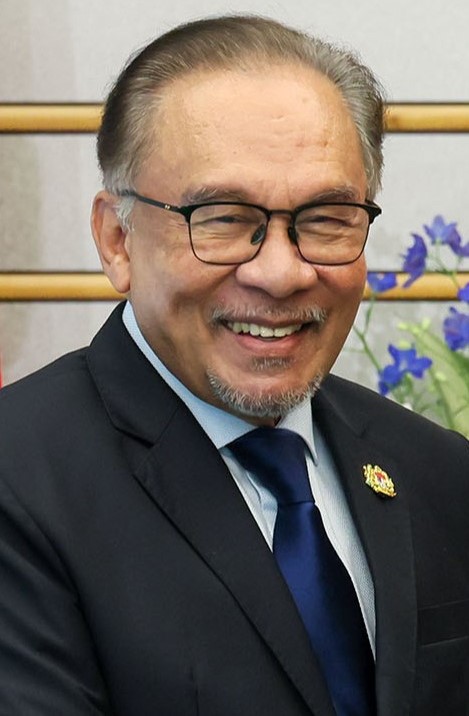
Prime Minister Anwar Ibrahim is travelling to Russia to prioritise Malaysia's energy security, with a scheduled meeting with Russian President Vladimir Putin forming the centrepiece of his working visit. Speaking at a public engagement in Muar, Anwar underscored how maintaining robust international partnerships directly translates into tangible benefits for Malaysian households and businesses, particularly through the stability of fuel supplies that undergird the nation's economic functioning.
The diplomatic mission reflects a strategic approach to long-term supply chain resilience at a time when regional disruptions threaten neighbouring ASEAN economies. Anwar articulated that the forthcoming discussions would focus intensely on ensuring continuous flow of crude oil and diesel into Malaysian refineries, a foundational requirement for both domestic consumption and industrial competitiveness. This proactive engagement with Moscow represents recognition that energy security cannot be taken for granted in an increasingly fragmented geopolitical landscape where bilateral relations directly influence commodity flows.
Malaysia's domestic fuel pricing presents a compelling case study in the benefits of diplomatic stability. The government has managed to maintain one of the world's most competitive retail prices for RON95 petrol at RM1.99 per litre, a achievement that Anwar attributed directly to sound macroeconomic stewardship combined with constructive foreign relations across multiple major energy-producing nations. This pricing advantage provides significant relief to ordinary Malaysians and insulates domestic industries from the full brunt of volatile global energy markets, creating competitive advantages for manufacturing and transport sectors.
The broader context involves escalating tensions in West Asia that have created genuine supply chain vulnerabilities across the region. Recent military confrontations between Israel and the United States on one side and Iran on the other have raised the spectre of disruptions to one of the world's most strategically critical maritime corridors. The Strait of Hormuz, through which roughly one-third of globally traded oil passes, represents a potential chokepoint that could dramatically reshape energy economics overnight if closure becomes protracted.
Anwar's acknowledgment of these geopolitical risks reflects the interconnectedness of Malaysian economic fortunes to distant conflicts. Any extended closure of the Strait would immediately elevate global crude oil prices, inevitably filtering through to Malaysian consumers at petrol pumps and to manufacturers dependent on stable energy costs. The economic ripple effects would extend across supply chains, potentially triggering inflation in transport and logistics sectors that represent crucial foundations for Malaysia's regional trading position.
The Prime Minister conveyed cautiously optimistic signals regarding diplomatic prospects for de-escalation, citing recent conversations with Pakistani leadership suggesting potential resolution of hostilities within days. This communication underscores how Malaysia maintains active diplomatic channels with multiple regional powers and leverages those relationships to gather intelligence on developments that carry direct implications for national interests. The possibility that military engagement could cease by Friday offered some respite from anxieties about extended Hormuz closure, though Anwar wisely refrained from expressing excessive confidence in outcomes dependent on actors beyond Malaysia's direct influence.
Market signals already reflected this underlying uncertainty, with Anwar noting that crude oil prices had begun declining slightly, suggesting that markets were pricing in some probability of de-escalation. This mercurial response underscores how energy markets react rapidly to shifting geopolitical assessments, meaning that even statements from Malaysian leadership about diplomatic developments can influence how international traders position themselves. The dual role of Malaysia as both an oil producer and consumer in a globally integrated energy market means the country cannot achieve complete insulation from international price movements, making diversified diplomatic engagement all the more strategically important.
For Malaysian households, the stakes involved in securing reliable energy supplies extend well beyond fuel prices at petrol stations. Energy underpins electricity generation, transportation networks, and industrial production—the connective tissue of modern economies. Supply disruptions that ripple through these systems create cascading effects that increase costs throughout the economy, from food distribution to manufacturing. By advancing Malaysia's energy security agenda at the highest diplomatic levels, Anwar positions the government as actively managing one of the most consequential variables affecting ordinary Malaysians' cost of living and employment prospects.
The Russia visit also signals Malaysia's commitment to maintaining pragmatic, transactional relationships with major global powers regardless of their broader international standing or geopolitical alignment. This approach reflects Malaysia's longstanding non-aligned tradition and recognition that energy security demands engagement with all credible suppliers, not selective relationships based on political ideology. In an era of deepening great power competition, maintaining this flexibility provides Malaysia with options that smaller nations lacking such diplomatic dexterity cannot access.
The inclusion of ASEAN leadership in meetings with Russian counterparts indicates broader regional consciousness that energy security challenges transcend individual nations. Several ASEAN members face similar vulnerabilities regarding supply reliability and exposure to geopolitical shocks centred thousands of kilometres away. Coordinated diplomatic engagement at the regional level strengthens negotiating positions and allows smaller nations to amplify their collective voice when engaging major powers on issues central to their prosperity and stability.
Looking forward, the Russia visit represents one element of a more comprehensive energy security strategy that Malaysia must pursue. This includes maintaining production from domestic reserves despite their gradual depletion, diversifying import sources across multiple countries and regions, investing in renewable energy infrastructure to reduce long-term petroleum dependence, and maintaining strategic petroleum reserves that provide buffers against supply shocks. The diplomatic dimension—cultivating relationships that ensure reliable access to external supplies—forms one crucial pillar within this multifaceted approach to energy resilience.