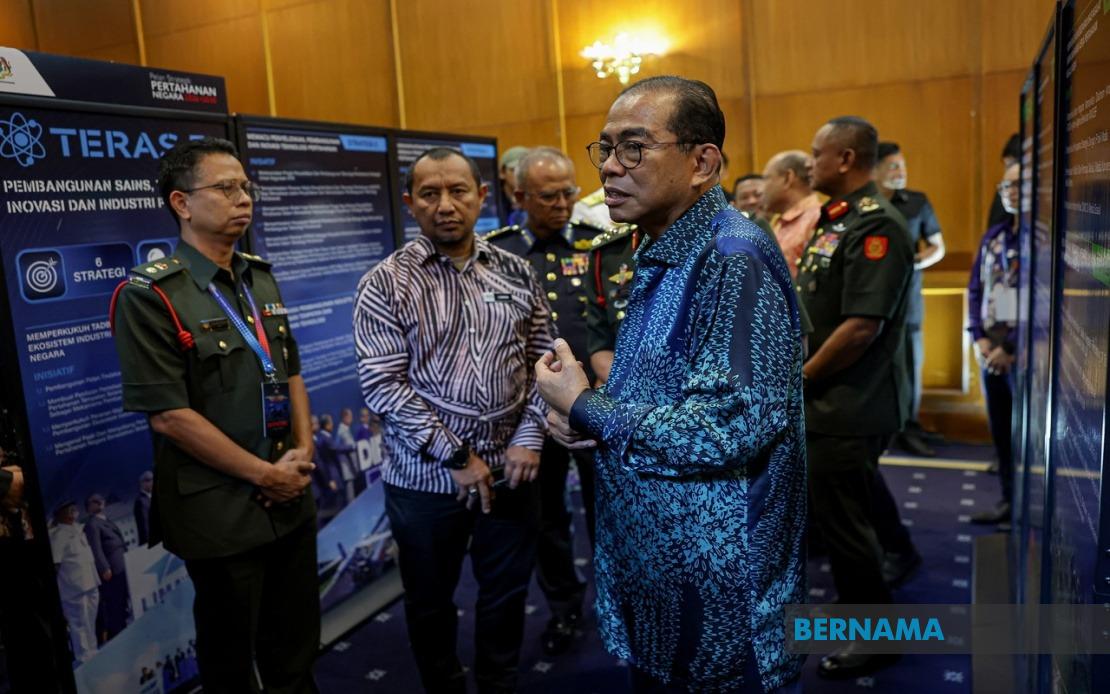
Malaysia's government is actively working through diplomatic channels to secure compensation stemming from the cancellation of the Naval Strike Missile (NSM) procurement agreement with Norway-based Kongsberg Defence & Aerospace AS (KDA), Defence Minister Datuk Seri Mohamed Khaled Nordin confirmed on June 25. Speaking after the launch of the National Defence Strategic Plan and Defence Capability Blueprint 2026-2030, Nordin outlined an approach that pairs formal legal action with multilateral negotiation, positioning Norway itself as an intermediary in resolving the dispute.
The Malaysian Defence Ministry has taken the formal step of notifying both the Norwegian government and the foreign affairs apparatus of its intended course of action regarding the compensation claim. This dual notification represents a deliberate strategy to leverage intergovernmental relations in pressuring KDA toward settlement, rather than relying solely on contractual dispute mechanisms. By enlisting Norway's role as facilitator and mediator, Kuala Lumpur is signalling that it views this not merely as a commercial disagreement but as a matter touching on bilateral defence partnerships and diplomatic goodwill.
Nordin's remarks emphasised the government's commitment to resolving the matter from the outset, underscoring that early notification was designed to ensure Norway could play an active facilitating role. The Foreign Ministry has already written to its Norwegian counterpart, formally requesting intervention between the Defence Ministry and KDA to enable the company to engage in serious compensation discussions. This coordinated approach between Malaysia's defence and foreign affairs establishments reflects an understanding that high-level diplomatic pressure, combined with formal contractual claims, often yields better negotiating outcomes than adversarial litigation alone.
The NSM contract cancellation has drawn scrutiny from Malaysia's parliamentary oversight mechanisms. The Public Accounts Committee (PAC) received a special briefing from the Defence Ministry on the matter and subsequently issued guidance to the government. The PAC's response highlighted two critical concerns: the need to strengthen both mitigation strategies and diplomatic efforts to achieve a fair resolution, and the imperative to safeguard Malaysia's fiscal sovereignty throughout the negotiation process. This parliamentary commentary suggests that the compensation dispute carries broader implications for how Malaysia manages future defence procurement decisions and international agreements.
The cancellation itself raises questions about the original procurement rationale and the circumstances that led to termination. The NSM system, manufactured by KDA, represents a sophisticated anti-ship capability designed for modern naval operations. Malaysia's decision to cancel indicates either a strategic reassessment of operational requirements, budgetary constraints, or shifting defence priorities—factors that remain publicly undisclosed. For Malaysian defence planners, the lesson underscores the importance of flexibility clauses and exit mechanisms in long-term procurement contracts, particularly those involving foreign vendors in volatile geopolitical environments.
From a regional perspective, Malaysia's handling of this dispute carries implications for Southeast Asian defence procurement practices. As nations in the region increasingly diversify defence partnerships beyond traditional Cold War alignments, disputes with European suppliers like KDA could set precedents for how ASEAN countries manage compensation claims and maintain vendor relationships simultaneously. Malaysia's choice to elevate the matter diplomatically, rather than pursue purely legalistic remedies, reflects pragmatic recognition that defence suppliers remain important long-term partners in a region where security challenges demand sustained technological cooperation.
The involvement of General Tan Sri Malek Razak Sulaiman, Chief of Defence Force, alongside the Defence Minister in launching the strategic blueprint signals institutional unity in addressing defence challenges—including the NSM resolution. The timing of the minister's public remarks about the compensation claim, made during the unveiling of long-term defence planning documents, suggests a deliberate attempt to compartmentalise the dispute as a discrete issue rather than allowing it to derail broader defence modernisation efforts. Malaysia's defence establishment appears intent on demonstrating that one failed procurement will not undermine its capacity to execute strategic planning or maintain international partnerships.
The fiscal implications of the NSM contract cancellation remain substantial. Compensation claims from KDA could involve not only return of advance payments but also costs associated with contract preparation, design work, and lost profit margins—sums that could easily reach tens of millions of dollars. For a developing economy managing multiple defence modernisation priorities, such claims represent real constraints on defence spending. Malaysia's diplomatic approach suggests it is attempting to negotiate a settlement that acknowledges KDA's losses while minimising the financial hit to the Malaysian Defence Ministry budget.
Looking forward, the resolution mechanism chosen by Malaysia—formalising positions, enlisting foreign ministry support, and requesting Norwegian government mediation—establishes a template for handling similar disputes. The approach balances firmness in asserting Malaysia's position with flexibility in allowing face-saving compromises for all parties. If successful, this model could demonstrate how a mid-sized nation can effectively counter pressure from established defence contractors while maintaining cordial relationships necessary for future engagement. The PAC's emphasis on fiscal sovereignty indicates that Malaysian lawmakers will scrutinise not only the final compensation figure but also the precedent established for managing such claims in future procurement cycles.

