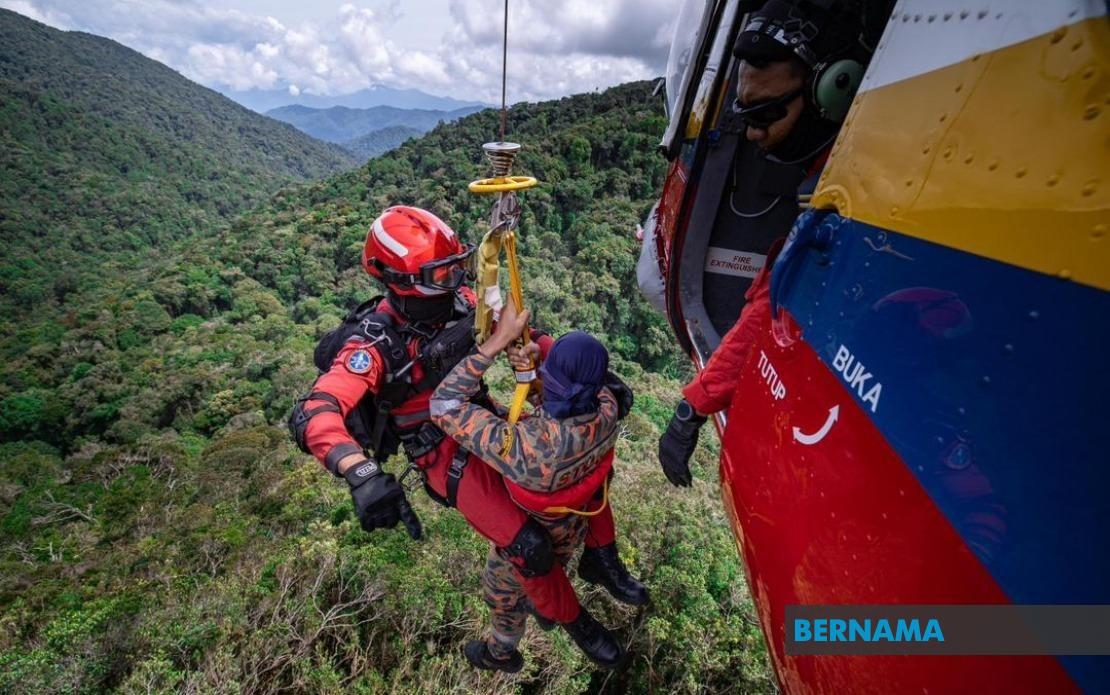
The growing popularity of hiking across Malaysia has come with a sobering cost. Between 2021 and 2025, the country has witnessed 1,059 hiking-related accidents resulting in 63 fatalities and 87 injuries, according to data presented to Parliament by Deputy Minister of Natural Resources and Environmental Sustainability Syed Ibrahim Syed Noh. The statistics, compiled by the Fire and Rescue Department of Malaysia, underscore the urgent need for comprehensive safety frameworks as recreational activities in forests and mountainous regions continue to attract increasing numbers of Malaysians seeking outdoor experiences.
The spike in hiking accidents reflects a broader trend across Southeast Asia, where improved accessibility and growing awareness of outdoor recreation have drawn thousands of novice and experienced hikers to trails ranging from lowland nature reserves to challenging alpine peaks. In Malaysia's context, the appeal of forest reserves and mountain landscapes, combined with relatively affordable entry costs, has made hiking an accessible leisure activity for urban populations. However, this democratization of outdoor recreation has exposed significant gaps in safety infrastructure and preparedness, with many accidents attributable to inadequate trail maintenance, insufficient guidance, and insufficient emergency response capabilities in remote areas.
To address these systemic vulnerabilities, the Peninsular Malaysia Forestry Department has partnered with the United Nations Development Programme to develop the Mountain Risk Assessment and Management Guideline, commonly referred to as MoGRAM. This technical framework serves as the cornerstone of a new approach to hiking safety, providing standardized protocols for evaluating trail hazards, managing visitor capacity, and implementing preventive measures. The guideline represents a shift from reactive emergency response toward proactive risk mitigation, establishing scientifically-grounded standards that forestry authorities can apply consistently across diverse terrain and weather conditions.
A key innovation under this safety regime is the mandatory deployment of certified Forestry Mountain Guides in 189 identified high-risk hiking areas throughout Peninsular Malaysia. These guides, formally recognized as MGPs in government terminology, undergo rigorous training in emergency protocols, first aid, survival skills, and rescue techniques. To date, the government has certified 2,322 individuals as MGPs, predominantly drawn from local and indigenous communities whose deep knowledge of forest terrain and natural hazards proves invaluable. This community-based approach not only strengthens safety capacity but also generates economic opportunities for rural populations while preserving traditional ecological knowledge.
Beyond on-the-ground safety measures, the ministry is pursuing a technological solution to fragmented hiking registration systems. Currently, hikers register through either manual processes or inconsistent online platforms operated by state forestry departments, reflecting Malaysia's federal structure where states retain jurisdiction over forest reserves. This decentralized approach has created blind spots in real-time tracking and emergency coordination. The government now envisions a unified national digital hiking registration system, developed in collaboration with the Malaysian Space Agency, that would integrate geographic information systems and remote sensing technology to map trails, monitor hiker movements, and coordinate search and rescue operations with unprecedented precision.
The proposed GIS-based system addresses critical operational challenges that have hampered rescue efforts in previous incidents. By centralizing registration data and leveraging geospatial analysis, authorities could rapidly pinpoint missing hikers' last known locations, optimize rescue team deployment, and provide real-time trail condition updates to incoming visitors. This technological infrastructure becomes particularly valuable in mountainous regions where cellular coverage remains unreliable and terrain complexity complicates traditional search methods. For Southeast Asian nations facing similar hiking safety challenges, Malaysia's digital integration model offers a replicable framework.
Implementing these safety measures requires sustained government funding and inter-agency coordination. The Peninsular Malaysia Forestry Department has already secured international support through the United Nations Development Programme, indicating recognition that hiking safety transcends purely domestic concerns. Standardized safety protocols, certified guides, and digital infrastructure represent ongoing operational costs that must compete with other government priorities. However, the human cost of the current situation—averaging more than 12 deaths annually—provides compelling justification for continued investment in prevention rather than recovery operations.
State governments, which retain legal authority over forest reserves, must align their licensing and enforcement practices with national guidelines to ensure consistent application. This coordination challenge is substantial, as states operate with varying budget constraints, staffing levels, and institutional capacity. The ministry's emphasis on developing a national framework suggests efforts to incentivize and support state compliance through technical resources and centralized data systems. Without such coordination, hiking safety improvements in one state could create only localized benefits while dangerous practices persist elsewhere.
The training and welfare of mountain guides and nature guides has emerged as a priority area, reflecting recognition that frontline workers require continuous professional development. Ongoing certification programmes covering hiking safety, risk management, first aid, survival skills, and search and rescue techniques ensure that guides maintain current knowledge as trail conditions change and new hazards emerge. Competitive compensation and career advancement opportunities are essential to retaining experienced guides and attracting new talent to these demanding roles. Nations across the region should adopt similar professional standards to create a cadre of highly trained outdoor professionals.
For Malaysian hikers, these initiatives translate into measurable improvements in trail conditions, emergency response capabilities, and access to trained guides. However, personal responsibility remains crucial. Following designated routes, registering hiking plans with authorities, carrying adequate supplies, and respecting guide recommendations directly reduce accident risk. The government's infrastructure and expertise can only mitigate environmental and organizational hazards; individual judgment ultimately determines whether hikers safely navigate their chosen trails. Educational campaigns emphasizing these personal accountability measures should accompany the technical and institutional improvements.
The 1,059 recorded accidents represent only documented incidents; many minor injuries and near-miss situations likely go unreported, suggesting the actual scope of hiking-related injuries is substantially larger. This underreporting phenomenon means the true safety challenge exceeds official statistics, underscoring the importance of preventive frameworks rather than relying on incident data to drive policy. As hiking's popularity continues growing throughout Malaysia and the broader Southeast Asian region, the proactive safety architecture now being developed will prove increasingly essential for protecting both recreational users and the natural environments they visit.

