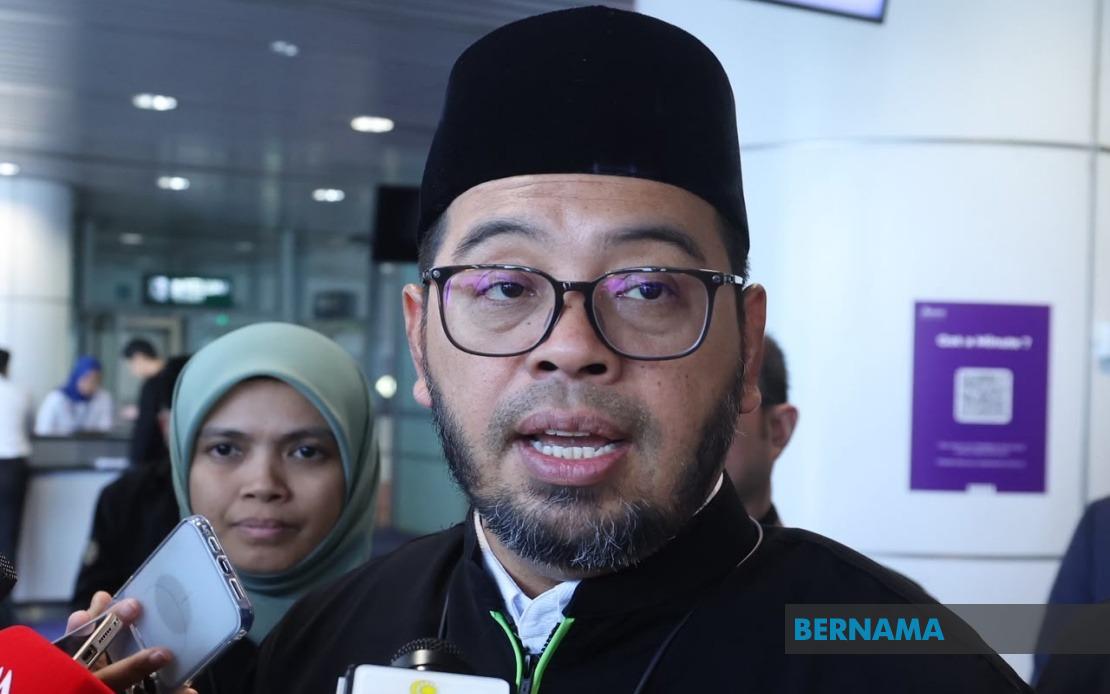
Malaysia has successfully completed its 2026 haj season without recording a single case of pilgrimage package fraud, marking a significant achievement in consumer protection and enforcement coordination, Religious Affairs Minister Dr Zulkifli Hasan announced on Tuesday at Kuala Lumpur International Airport. The milestone represents a substantial improvement in safeguarding Malaysian pilgrims from the deceptive practices that have periodically plagued the haj tourism sector across the region, demonstrating the tangible results of an integrated multi-agency approach to preventing scams.
The prevention of fraudulent schemes, including the particularly insidious Badal haj fraud where unscrupulous intermediaries profit from pilgrims attempting to perform the pilgrimage on behalf of deceased relatives, hinged on close operational collaboration between Tabung Haji, the Royal Malaysia Police, and other relevant state and federal authorities. This partnership deployed both traditional and modern enforcement mechanisms, combining physical surveillance operations at Malaysia's primary international gateway with sophisticated digital monitoring across social media channels where scammers typically recruit vulnerable victims and conduct transactions.
Dr Zulkifli attributed the achievement directly to the effectiveness of these preventive measures, expressing gratitude that the coordination yielded what authorities described as achieving a "zero" scammer cases outcome. The successful completion of the 1447 Hijri calendar year pilgrimage operations without fraud incidents represents not merely a statistical victory but reflects enhanced capacity within Malaysia's religious affairs and law enforcement infrastructure to detect and deter criminal activity targeting the Muslim faithful.
The final contingent of Malaysian pilgrims, numbering 258 individuals, returned to KLIA on Tuesday afternoon aboard Malaysia Airlines flight MH 8385, which departed from Madinah late on the previous evening. Their arrival marked the conclusion of this year's organised pilgrim movement under Tabung Haji's coordination, the state-owned haj fund that manages the logistics, accommodation, and welfare arrangements for the majority of Malaysian Muslims undertaking the sacred journey.
Beyond fraud prevention, Tabung Haji demonstrated operational improvements in addressing one of the sector's chronic challenges: the deferment of approved haj placements. The fund substantially reduced the proportion of pilgrims deferring their allocations from the previous year's 50 per cent figure to merely 18 per cent this season. This dramatic improvement in acceptance rates reflects proactive engagement strategies, including early notification protocols to registered applicants and sustained preparatory campaigns designed to address practical concerns that traditionally prompted deferrals.
These efficiency gains carry implications for Malaysia's broader haj management system. The reduction in deferrals represents more efficient allocation of limited annual pilgrimage quotas and improved satisfaction among the waiting list of aspiring pilgrims. For the approximately 1.8 million Muslim Malaysians on the haj waiting list, such improvements signal faster progression toward their turn to undertake the Fifth Pillar of Islam, addressing a longstanding point of friction within communities where pilgrims sometimes wait decades for their opportunity.
The coordinated anti-fraud approach, involving airport-based interdiction and social media surveillance, reflects evolving criminal enforcement methodologies in Southeast Asia's religious affairs landscape. Malaysian authorities recognised that haj fraud networks operate increasingly through digital channels, with scammers using encrypted messaging applications and social platforms to target pilgrims overseas and their families domestically. By combining ground-level airport checks with real-time monitoring of online spaces, authorities reduced the operational window available to fraudsters while establishing visible deterrents at departure and arrival points.
Deputy Minister Marhamah Rosli and Tabung Haji Chairman Tan Sri Abdul Rashid Hussain, both present at the final flight's welcoming ceremony, symbolised the cross-institutional commitment to the season's success. Their attendance underscored how the 2026 season outcomes resulted from sustained coordination across government structures rather than isolated efforts by single agencies, a recognition particularly significant given historical instances where jurisdictional ambiguities allowed scams to proliferate.
For Malaysian pilgrims and their families, the fraud-free season provides reassurance regarding financial transactions and intermediaries involved in haj arrangements, addressing legitimate consumer anxieties that occasionally discourage participation despite the spiritual significance. The absence of victimisation cases removes a psychological barrier that occasionally dissuaded prospective pilgrims from proceeding with their applications, potentially contributing to the improved deferment reduction figures.
The achievement also carries regional implications amid broader Southeast Asian concerns about pilgrim exploitation. Nations with significant Muslim populations including Indonesia, the Philippines, and Bangladesh have experienced recurrent haj fraud scandals involving dishonest agents, travel operators, and intermediaries. Malaysia's success in eliminating documented scam cases this season offers a potential model for collaborative enforcement and preventive coordination, though sustained vigilance remains essential given fraudsters' adaptive capabilities.
Tabung Haji's improved operational metrics and the coordinated security success establish benchmarks for future seasons, though experts caution that eliminating fraud completely requires continuous adaptation to emerging schemes. The organisation and its oversight agencies will likely maintain heightened monitoring protocols and continue refining early warning systems to sustain this protective standard in subsequent pilgrimage cycles.

