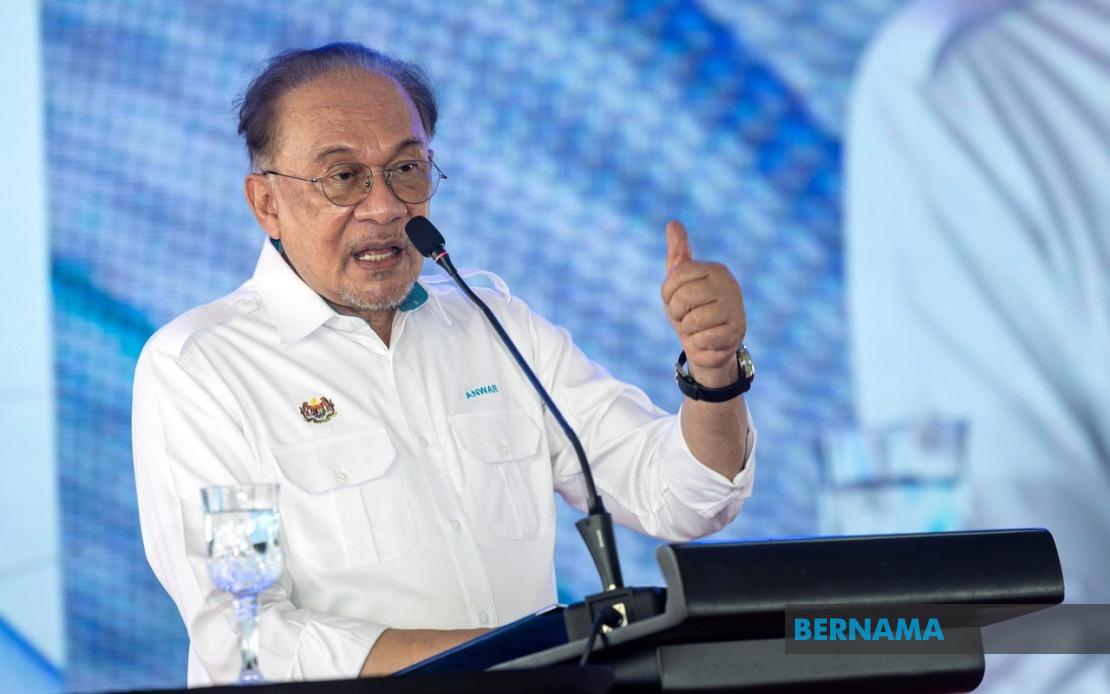
Malaysia has moved to fortify its long-term energy security by establishing comprehensive partnerships with Russia and Turkmenistan, according to Prime Minister Datuk Seri Anwar Ibrahim. The dual agreements represent a significant shift in the country's energy sourcing strategy and reflect deepening diplomatic ties in a region where energy independence remains a critical economic priority. Speaking at the groundbreaking of Setia Fontaines Industrial Park in Kepala Batas, Anwar outlined how these alliances position Malaysia to weather potential energy market disruptions while maintaining competitive advantages in Asian trade.
During recent discussions in Kazan, Russian President Vladimir Putin provided assurances that Moscow would commit to supplying Malaysia with petroleum, natural gas, and diesel under a long-term framework spanning at least twenty years. This arrangement carries significant weight given Russia's substantial hydrocarbon reserves and its demonstrated willingness to negotiate extended supply contracts with non-Western nations. The undertaking signals confidence in Malaysia's political stability and economic trajectory, while simultaneously offering Russia a stable long-term customer base in Southeast Asia despite international sanctions pressures.
The Turkmenistan engagement, meanwhile, represents an even more expansive opportunity for Malaysian energy interests. Following Anwar's official visit to the Central Asian nation, Turkmenistan has granted Malaysia enhanced access to its oil and gas sectors, effectively opening doors to what constitute among the world's most substantial untapped gas reserves. This breakthrough followed productive diplomatic groundwork established when Turkmenistan President Serdar Berdimuhamedov visited Malaysia in December 2024, demonstrating how sustained high-level engagement translates into tangible commercial arrangements.
The geopolitical implications of these energy accords deserve careful consideration within Malaysia's broader foreign policy framework. By diversifying energy partnerships beyond traditional Middle Eastern suppliers and engaging both Moscow and Ashkhabad, Malaysia reduces its vulnerability to supply shocks originating from any single region. This hedging strategy proves particularly prudent given ongoing volatility in the Middle East and the strategic importance of maritime routes through which conventional energy supplies transit toward Southeast Asia.
Beyond securing domestic consumption, these agreements unlock significant export potential that could substantially enhance Malaysia's revenue generation. Access to Turkmenistan's vast gas reserves creates opportunities for Malaysia to serve as an intermediary supplier to energy-hungry Asian economies including China, Japan, and South Korea. These three nations collectively represent the world's most voracious energy consumers outside the United States, creating persistent demand that Malaysia could help satisfy through processing, liquefaction, and re-export mechanisms.
The economic development implications extend well beyond hydrocarbon commerce itself. Expanded energy availability at competitive prices reduces production costs for Malaysia's energy-intensive industries, including petrochemicals, steel manufacturing, and semiconductor fabrication. Lower industrial energy expenses enhance the competitiveness of Malaysian exports in global markets while potentially attracting new foreign direct investment from multinational corporations seeking cost-efficient production bases in Asia.
Prime Minister Anwar emphasized that leveraging international relations constitutes an essential component of national interest protection, encompassing not merely energy security but also employment generation and sustainable economic growth. This framing acknowledges that energy security extends beyond filling power plants and fuel tanks; it encompasses the capacity to create high-value employment, support industrial development, and fund public services through energy-related revenues. When viewed through this lens, the Turkmenistan and Russia agreements represent investments in Malaysia's medium and long-term prosperity.
The timing of these announcements coincides with Malaysia's efforts to balance its energy transition toward renewable sources while maintaining reliable baseload power from conventional sources. Natural gas represents a cleaner fossil fuel alternative to coal, and abundant supplies from Turkmenistan could facilitate Malaysia's gradual shift toward lower-carbon energy profiles while avoiding premature fossil fuel phase-out that might compromise economic competitiveness. This pragmatic approach acknowledges energy security realities while advancing environmental objectives.
Regional implications warrant attention as well. Malaysia's successful negotiation of these partnerships demonstrates the value of active diplomatic engagement and positions the country as an increasingly important energy hub within Southeast Asia. Neighboring nations including Thailand, Vietnam, and Indonesia will observe these developments closely, as energy cooperation increasingly shapes regional economic integration and geopolitical alignment patterns.
The agreements also reflect broader trends toward greater economic pluralism in Malaysia's international relations. Rather than concentrating energy sourcing within traditional Western-aligned suppliers or limiting engagement to immediate neighbors, Malaysia pursues relationships across multiple continents and political systems. This approach, while requiring careful diplomatic calibration, maximizes the country's strategic flexibility and reduces vulnerability to pressure from any single bloc or alliance structure.
Implementing these frameworks will require substantial infrastructure development, including pipelines, storage facilities, and processing plants capable of handling increased volumes of imported energy resources. Such investments present opportunities for domestic construction companies, engineering firms, and manufacturing sectors while creating sustained employment throughout implementation phases. The multiplier effects of these capital expenditures would ripple throughout Malaysia's broader economy.

