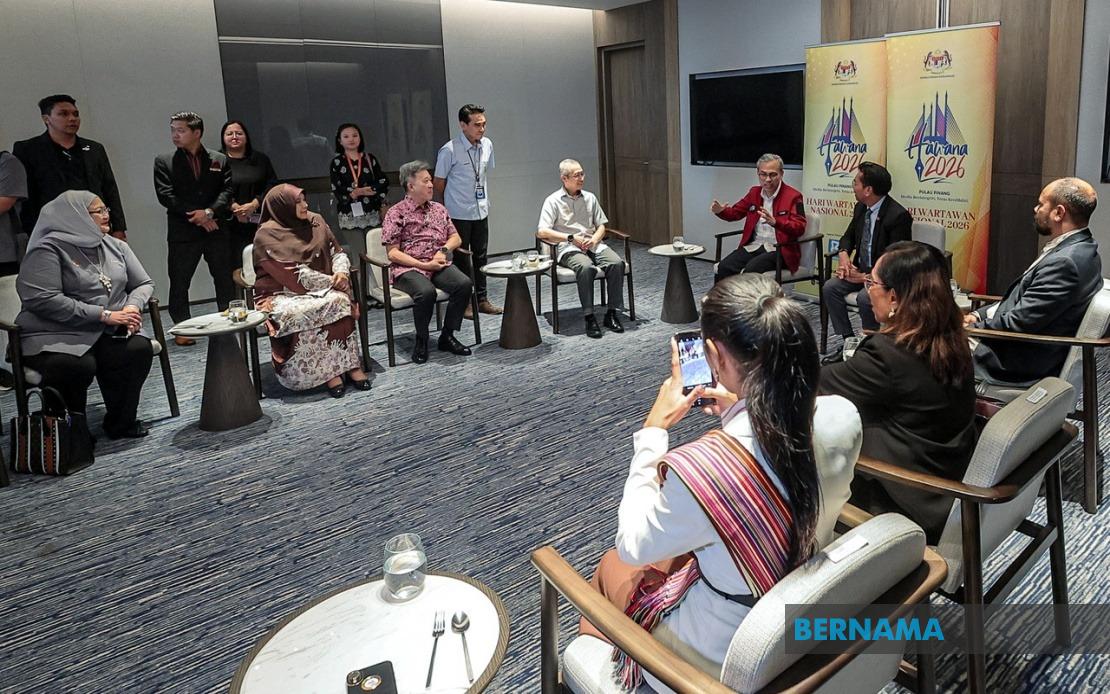
Malaysia's Communications Minister Datuk Fahmi Fadzil is pursuing a comprehensive media partnership with Timor-Leste, seeking to deepen institutional ties between the two nations' broadcasting and news agencies. The initiative emerged during talks in Butterworth on June 20 between Fadzil and a high-level Timor-Leste delegation led by Secretary of State for Social Communication Expedito Loro Dias Ximenes. The meeting brought together key figures from both countries' media institutions, signalling a strategic push to cement regional media cooperation at a time when press freedom and information integrity have become central concerns across Southeast Asia.
The proposed collaboration spans multiple dimensions of media cooperation. Fadzil outlined plans for enhanced working relationships between Malaysia's Bernama news agency and Radio Televisyen Malaysia with their Timor-Leste counterparts, particularly the Agencia Noticiosa de Timor-Leste. Beyond institutional linkages, the Malaysian minister has proposed hosting professional development programmes through the Tun Abdul Razak Broadcasting and Information Institute, offering structured training opportunities for Timor-Leste's journalism workforce. This educational component reflects recognition that capacity-building in media standards benefits both nations and contributes to broader regional media professionalism.
A notable focus of the bilateral discussion centred on press freedom metrics and international rankings. Timor-Leste has achieved remarkable standing in the World Press Freedom Index published by Reporters Without Borders, ranking highest across Southeast Asia and placing 30th globally among 180 countries—a position that has attracted international recognition. Malaysia, by contrast, ranks second regionally, a standing that Fadzil acknowledged reflects improvement under the current MADANI Government compared with earlier administrations. The minister's public reference to these rankings underscores Malaysia's commitment to addressing long-standing concerns about media freedom, even while hosting diplomatic conversations with a neighbouring nation that has surpassed it on this critical measure.
Fadzil emphasised that Malaysia has made tangible progress on press freedom over the past three to four years, with government policies and institutional reforms contributing to improved international perception. However, he candidly acknowledged that Malaysia has further ground to cover and remains committed to climbing higher in international press freedom assessments. This transparency about Malaysia's standing reflects broader efforts by the MADANI administration to engage constructively with international benchmarks rather than dismiss them, a shift from previous governance approaches. The government's willingness to discuss these metrics openly with a regional partner suggests confidence in the trajectory of reform efforts.
The timing of these discussions carries particular significance given that they occurred during the HAWANA 2026 conference, the sixth edition of a major regional media gathering held at the PICCA Convention Centre in Butterworth. The conference has convened approximately 1,000 media professionals from across Malaysia and internationally, assembling under the banner of 'Media Integrity Strengthens Credibility'—a theme that directly addresses contemporary challenges facing journalism in the digital age. Prime Minister Datuk Seri Anwar Ibrahim was scheduled to officiate proceedings, lending prime ministerial weight to messaging about media's role in democratic governance and information ecosystem integrity.
The Timor-Leste delegation's participation in HAWANA reflects the conference's positioning as a genuine regional platform rather than a domestic Malaysian event. The presence of senior figures including Noemio Mateus Soares Falcao, president of Timor-Leste's news agency, and deputy president Madalena DE JCP Carlos indicates that the neighbouring nation views the gathering as substantive enough to warrant high-level representation. For Malaysian organisers, hosting such delegations and facilitating bilateral media cooperation during the conference underscores HAWANA's value as a venue for practical diplomatic engagement on media and information matters.
The composition of the Malaysian delegation at these talks reflects the institutional significance attached to the initiative. Beyond Minister Fadzil, attendees included Datuk Abdul Halim Hamzah, secretary-general of the Communications Ministry, along with senior figures from Bernama including chairman Datuk Seri Wong Chun Wai and chief executive officer Datin Paduka Nur-ul Afida Kamaludin. The Broadcasting Department's director-general Ashwad Ismail and Bernama's editor-in-chief Arul Rajoo Durar Raj also participated, indicating that discussions ranged across multiple dimensions of media operations from editorial to administrative levels.
For Malaysia's broader strategic interests, deepening media cooperation with Timor-Leste carries both bilateral and multilateral dimensions. Timor-Leste, having achieved independence relatively recently, has pursued institutional development with international support. Malaysian media institutions and expertise potentially offer relevant models and experience that could benefit Timor-Leste's continued media sector maturation. Simultaneously, Malaysia gains from association with a regional partner that has achieved stronger international press freedom ratings, potentially learning from Timor-Leste's approaches to media regulation and editorial independence.
The proposal for journalist training through IPPTAR specifically addresses a practical gap in regional capacity development. Many Southeast Asian nations struggle to maintain journalism education standards amid rapid technological change and economic pressures on traditional media. Hosting training for Timor-Leste journalists positions Malaysia as a knowledge-sharing hub within the region and builds professional networks that can strengthen regional media standards overall. Such programmes typically cover contemporary journalism practices, ethical standards, digital reporting techniques, and information verification methods—all areas where formal training remains valuable across Southeast Asia.
Broader context for this cooperation initiative includes shared challenges facing Southeast Asian media environments. Regional governments navigate tensions between press freedom commitments and state security concerns, between commercial pressures and editorial integrity, and between traditional journalistic standards and social media-driven information dynamics. Creating spaces for peer learning and institutional cooperation allows media professionals and government officials to address these challenges through evidence-based exchange rather than isolated national policy-making. The HAWANA platform and bilateral initiatives like those proposed with Timor-Leste collectively create infrastructure for this constructive engagement.
The emphasis on media integrity within HAWANA's conference theme also reflects industry recognition that journalism's credibility faces unprecedented challenges from misinformation, deepfakes, and polarised information ecosystems. Professional training programmes, institutional cooperation, and regional standards-setting become increasingly important mechanisms for maintaining journalism's social function. Malaysia's commitment to hosting such training and deepening professional ties with regional partners positions Malaysian institutions as contributors to this essential work rather than passive observers.
Looking forward, formalising media cooperation frameworks between Malaysia and Timor-Leste could extend beyond the institutions already mentioned. News agency partnerships might include content-sharing arrangements, journalistic exchange programmes, and collaborative coverage of regional issues affecting both nations. Broadcasting cooperation could encompass documentary exchange, skills transfer in production techniques, and potentially joint coverage of pan-Southeast Asian stories. Educational partnerships through IPPTAR would likely establish regular training cohorts, contributing to sustained professional development rather than one-off initiatives.
The bilateral discussions on press freedom indices also merit ongoing attention. If Malaysia successfully implements policies and reforms that meaningfully improve its World Press Freedom Index ranking, the pathway would become a tangible case study for other Southeast Asian nations seeking similar improvements. Conversely, learning from Timor-Leste's approaches to achieving higher rankings could inform Malaysian policymaking. Such peer learning, conducted transparently and documented through media cooperation frameworks, potentially creates positive competitive dynamics encouraging regional progress on media freedom standards rather than defensive posturing around international assessments.

