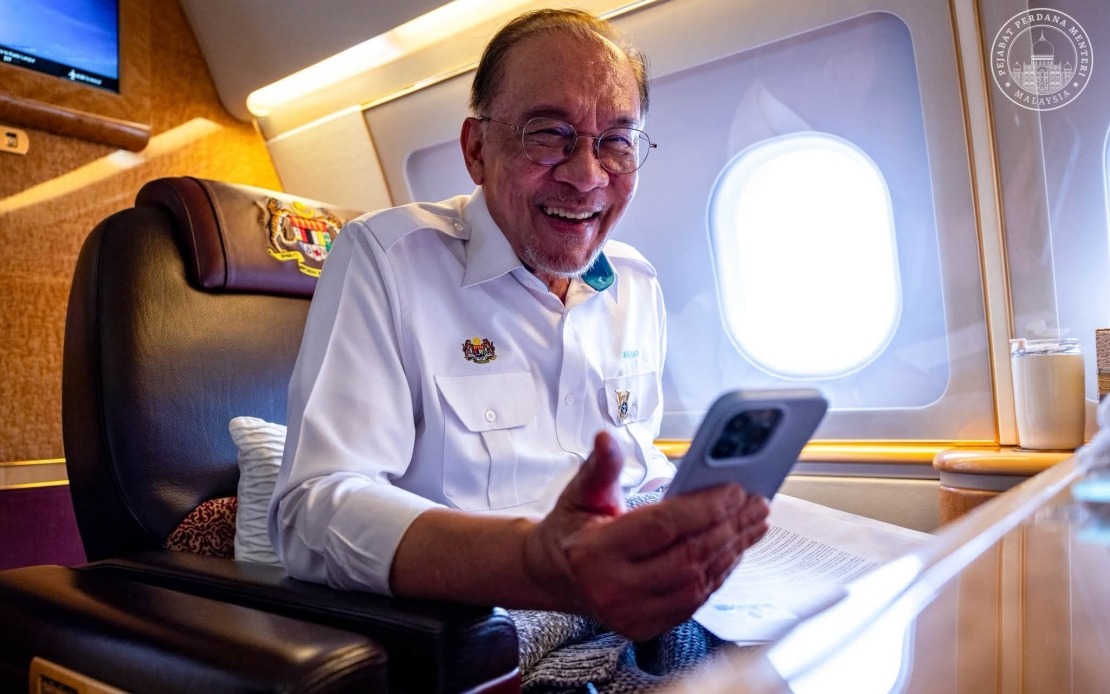
Malaysia will play host to Formula 1 racing once again this October, ending a nine-year absence from the global motorsport calendar. Prime Minister Datuk Seri Anwar Ibrahim confirmed on July 26 that the Sepang International Circuit will stage the Formula 1 Gulf Air Bahrain Grand Prix from October 2 to 4, a significant milestone in the nation's sporting infrastructure and international relations.
The announcement represents more than a logistical achievement for Malaysia's motorsport sector. Anwar characterised the hosting arrangement as a demonstration of the deepening diplomatic ties between Malaysia and Bahrain, emphasising that the arrangement reflects the mutual confidence and partnership binding the two countries. The Prime Minister engaged directly with Crown Prince and Prime Minister Prince Salman Hamad Al Khalifa of Bahrain and F1 President and Chief Executive Stefano Domenicali to facilitate the collaboration, underscoring the high-level political engagement required to bring such a prestigious event to Malaysian shores.
For Malaysian motorsport enthusiasts and the broader sporting community, the return of F1 to Sepang marks the end of an extended period of absence from hosting one of the world's premier automotive racing championships. The last Malaysian Grand Prix at the circuit concluded in 2017, making this 2024 event a momentous occasion for fans who have long anticipated the sport's return. The Sepang International Circuit, located south of Kuala Lumpur in Selangor, has historically been recognised as a world-class racing venue capable of meeting the exacting standards demanded by F1's governing bodies and participating teams.
Anwar's public statements emphasised Malaysia's commitment to demonstrating its operational prowess and infrastructure capabilities on the international stage. The government recognises that hosting a Grand Prix requires meticulous coordination across multiple sectors, including transportation, security, hospitality, and technical services. By successfully executing this event, Malaysia would reinforce its reputation as a destination capable of managing large-scale international competitions and attracting global attention to its facilities and governance structures.
The hosting arrangement carries implications for Malaysia's broader positioning within the Middle Eastern and Southeast Asian motorsport ecosystem. While Bahrain maintains its traditional home Grand Prix status, the decision to stage the race at Sepang reflects the International Automobile Federation's confidence in the facility's capabilities and Malaysia's institutional readiness. This arrangement potentially opens pathways for expanded motorsport cooperation between Malaysia and Gulf Cooperation Council nations, particularly given the deepening economic and political ties between Kuala Lumpur and the Arabian Peninsula.
From an economic perspective, hosting the event generates substantial revenue opportunities across multiple sectors. The influx of international visitors, media personnel, and participating teams creates demand for accommodation, transportation, dining, and entertainment services throughout the Klang Valley region. Beyond immediate tourism revenue, the event provides marketing exposure for Malaysia's tourism and business infrastructure, positioning the country as a capable host for future international gatherings beyond motorsport.
The Prime Minister's emphasis on Malaysia's "world-class infrastructure and operational excellence" signals the government's confidence in Sepang's readiness to meet contemporary F1 technical and safety requirements. Modern Grand Prix hosting demands sophisticated facilities for managing vehicle logistics, medical services, broadcast infrastructure, and spectator management. The fact that international motorsport authorities have endorsed Sepang as suitable despite the nine-year gap suggests significant confidence in the circuit's maintenance standards and upgrade capabilities.
Anwar's statement regarding the strengthening of bilateral bonds through this sporting collaboration reflects a broader diplomatic strategy linking major international events to foreign relations objectives. Countries increasingly leverage hosting opportunities to demonstrate their reliability as partners and to create platforms for sustained dialogue at multiple governmental and civil society levels. For Bahrain, hosting through an alternative venue allows the Grand Prix to proceed while potentially managing domestic considerations; for Malaysia, providing this support showcases regional leadership and diplomatic flexibility.
The October timing positions the event within F1's traditional championship calendar, ensuring that both current championship contenders and media attention will be fully engaged. This scheduling advantage benefits Malaysia's profile, guaranteeing extensive international broadcast coverage and coverage by global motorsport media outlets. The visibility generated by hosting during peak championship season amplifies the event's impact on Malaysia's international image far beyond what hosting during a calendar void would achieve.
Practical implementation of the October event requires immediate action across numerous government and private sector bodies. Circuit preparations, regulatory compliance verification, security arrangements, and international liaison all demand sustained coordination over the next two months. The success of this compressed timeline will itself serve as a demonstration of Malaysian governance efficiency and institutional responsiveness to international commitments.
Looking forward, the successful hosting of the Bahrain Grand Prix at Sepang potentially positions the venue for inclusion in future F1 calendars, either as a recurring fixture or for special championship events. The nine-year gap represented a significant period of exclusion from the global motorsport calendar, and re-establishing Malaysia's presence creates momentum for sustained engagement with F1 governance structures and future bidding processes.
The arrangement also carries symbolic weight within Southeast Asia's motorsport community. With Singapore hosting the Asian Formula 1 Grand Prix at Marina Bay, Malaysia's return to the calendar ensures that the region maintains multiple high-profile motorsport venues, reinforcing Southeast Asia's position as a significant market for global motorsport tourism and sponsorship.

