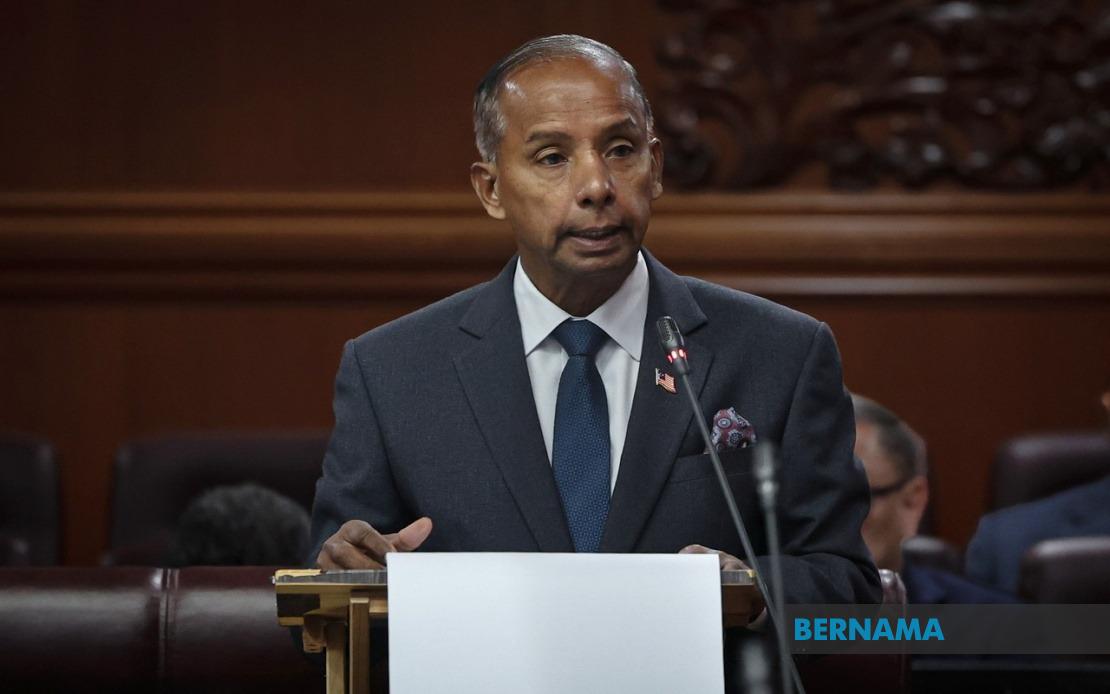
Malaysia is moving to strengthen support for witnesses exiting its protection programme with the passage of the Witness Protection (Amendment) Bill 2026, which introduces a one-off financial assistance package designed to help participants rebuild their lives after state protection ends. Deputy Minister M. Kulasegaran outlined the new provisions during the second reading in the Dewan Negara on July 22, clarifying that the measure addresses a significant gap in the current framework where witnesses receive support only during their time in the programme.
The amendments fundamentally reshape how Malaysia manages the transition for individuals who have risked their safety to testify in serious criminal and corruption cases. Under the existing Witness Protection Act 2009, participants enjoy comprehensive protection while enrolled but face an abrupt loss of support once the Attorney General determines their protection is no longer necessary. This discontinuity has left vulnerable witnesses without formal mechanisms to stabilise their circumstances, a problem the new bill directly confronts.
The one-off assistance package encompasses multiple dimensions of relocation and reintegration. Financial aid will support housing acquisition, cover the practical costs of moving from protected shelters to new residences, and facilitate school transfers for witness children, recognising that family stability is crucial for successful reintegration. Kulasegaran emphasised that while this support is substantial in addressing immediate transitional needs, it explicitly remains time-limited rather than a permanent or recurring entitlement, maintaining fiscal discipline whilst providing meaningful assistance.
The bill empowers the director-general of the Protection Division within the Prime Minister's Department to determine what constitutes "necessary and reasonable" protection and assistance, granting administrative flexibility to tailor support to individual circumstances. This approach acknowledges that witnesses face diverse challenges upon exit—some may require housing assistance, others prioritise educational continuity for dependents, and circumstances vary based on the nature of the crimes they testified about and their personal situations.
Context for the broader reform emerged when Parliament passed the bill on July 14, signalling rare legislative consensus on witness protection matters. The amendments comprise six substantive clauses aimed at elevating the comprehensive safety architecture for individuals providing testimony in serious criminal matters, corruption cases, and high-profile prosecutions. Enhanced physical protection, improved welfare provisions, and strengthened management protocols collectively position Malaysia's witness protection framework among more robust systems in Southeast Asia.
The timing reflects growing recognition that effective witness testimony requires not merely courtroom security but comprehensive safeguarding throughout a witness's engagement with the justice system. International best practices demonstrate that when witnesses feel abandoned after completing their role, subsequent witnesses become reluctant to cooperate, undermining prosecutorial capacity and deterrence effects. Malaysia's amendment acknowledges this feedback loop and invests in stability as a means of encouraging future cooperation.
For Malaysian witnesses who have testified against powerful criminal networks, corrupt officials, or organised crime figures, the exit assistance provision addresses a real vulnerability. Witnesses often cannot return to previous residences or employment due to security risks, and their identities may be compromised despite protective measures. The relocation component directly addresses these scenarios, providing practical assistance to establish new lives far from areas where they remain recognisable or at risk.
Regional observers note that Malaysia's expansion of witness protection demonstrates commitment to strengthening judicial mechanisms in an era of persistent organised crime and corruption. Thailand, Indonesia, and the Philippines all maintain witness protection programmes, yet Malaysia's legislative refinement suggests increasing sophistication in managing the long-term welfare consequences of participation. The move also reflects international pressure on Commonwealth nations to enhance protections for witnesses in transnational crime investigations.
The bill's passage through both parliamentary chambers without reported opposition indicates that the government successfully positioned the measure as pragmatic justice system enhancement rather than controversial policy innovation. The fiscal implications remain modest—one-off assistance costs less than prolonged protection—whilst the potential benefits in securing future witness cooperation justify the investment.
Looking forward, implementation will test the director-general's capacity to assess individual needs fairly and distribute resources equitably. Guidelines determining eligibility thresholds, assistance quantum, and appeal mechanisms will shape whether the programme achieves its rehabilitative goals. Training for protection division staff on transitional support administration will be essential, as will coordination with housing authorities and education ministries.
The amendment also carries symbolic significance, signalling to potential witnesses that Malaysia's justice system recognises obligations extending beyond the courtroom to actual witness safety and reintegration. For communities affected by organised crime, corruption, or serious violence, this expanded framework may encourage victims and witnesses to come forward, knowing the state provides genuine protection and assistance throughout their entire journey, not merely during the dangerous testimony phase.
Malaysia's legislative initiative to provide exit assistance for witnesses reflects mature institutional thinking about the full lifecycle of witness protection obligations. By acknowledging that meaningful protection extends beyond shelter and security into successful civilian reintegration, the framework removes a critical disincentive to cooperation and strengthens the evidentiary foundation necessary for prosecuting the serious crimes that undermine rule of law throughout Southeast Asia.

