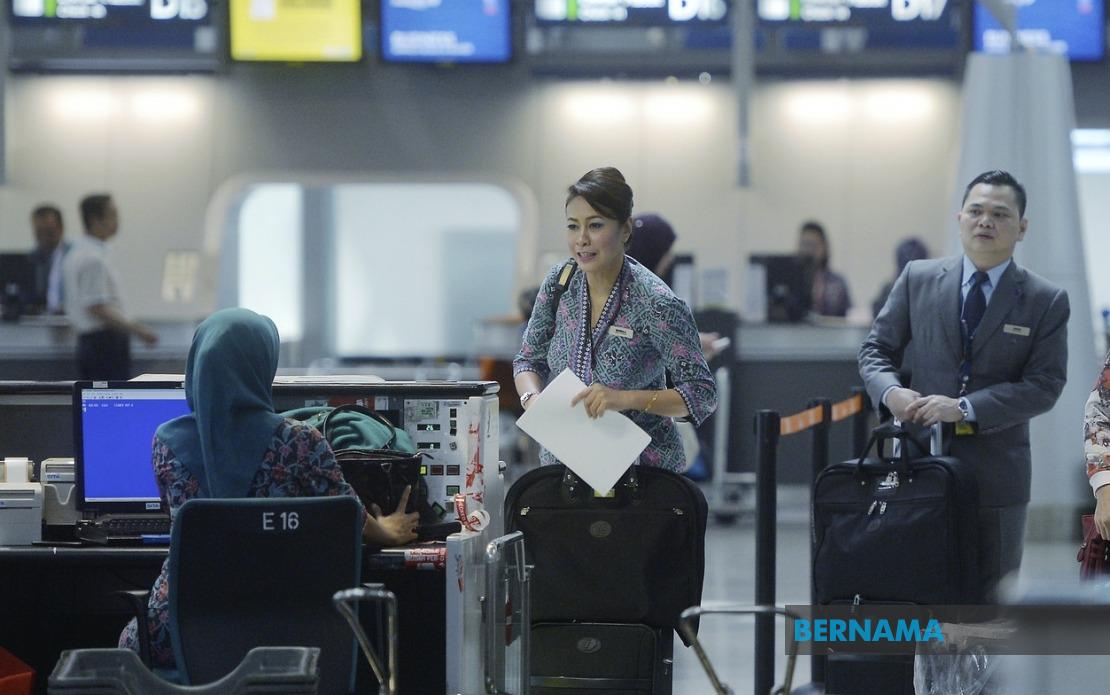
Malaysia's Border Control and Protection Agency (AKPS) has committed to strengthening security screening procedures for pilots and flight crew across all airports in the country, marking a significant response to a recent high-profile drug smuggling case involving a Malaysian aviation professional. Datuk Seri Mohd Shuhaily Mohd Zain, the director-general of AKPS, announced the decision at a press conference in Sepang on August 3 following a coordinated meeting that brought together senior officials from the Transport Ministry, law enforcement, and Malaysia Aviation Group (MAG).
The enhanced measures come in direct response to the July 29 arrest of a 39-year-old Malaysian pilot at Soekarno-Hatta International Airport in Jakarta. According to Indonesia's Director-General of Customs and Excise, Djaka Budi Utama, the suspect was taken into custody shortly after arriving on an international passenger flight originating from Kuala Lumpur. Indonesian authorities allege that the pilot attempted to smuggle approximately 25 kilogrammes of ecstasy into the country, with the contraband valued at roughly Rp60 billion (approximately RM13.5 million at current exchange rates). The drugs were reportedly concealed within the pilot's personal luggage.
What has raised particular concerns among Malaysian aviation authorities is that the suspect cleared all security protocols at Kuala Lumpur International Airport (KLIA) before his departure on July 28. During routine scanning procedures using advanced imaging equipment, neither the individual's baggage nor the items within triggered any alerts that would have flagged suspicious content. This apparent gap in detection has prompted Malaysian authorities to undertake a comprehensive review of existing security frameworks. Mohd Shuhaily stated that his agency is currently awaiting additional intelligence from the Royal Malaysia Police to better understand how the contraband passed through screening measures that are considered standard practice across major international airports.
The implications of this incident extend beyond a single criminal case, reflecting broader vulnerabilities that aviation security systems worldwide continue to grapple with. The fact that an airline professional—someone with extensive familiarity with airport operations and security protocols—allegedly succeeded in bypassing detection systems raises uncomfortable questions about whether current screening technologies and procedures are sufficiently robust. For Malaysia, which positions itself as a regional aviation hub with KLIA serving millions of passengers annually, such incidents can undermine confidence in the airport's security infrastructure and potentially damage the country's reputation in international aviation circles.
The Transport Ministry secretary-general, Datuk Seri Jana Santhiran Muniayan, convened the high-level meeting that included representatives from AKPS, the Royal Malaysia Police (PDRM), and Malaysia Aviation Group. This multi-agency approach underscores the seriousness with which Malaysian authorities are treating the matter and signals a determination to prevent similar incidents in future. The involvement of MAG, the holding company for Malaysia Airlines and other aviation operations, demonstrates that commercial aviation operators themselves are invested in strengthening security and protecting their operational integrity.
Mohd Shuhaily confirmed that comprehensive screening protocols will be expanded to encompass all pilots, flight crew members, and airport staff in the coming period. This represents a meaningful escalation from existing procedures, potentially incorporating additional layers of verification and background checks. While detailed specifics of the enhanced measures were not disclosed at the press conference, such upgrades typically involve more thorough personal searches, expanded database cross-referencing, and possibly increased psychological or behavioural assessment components designed to identify individuals who may pose security risks.
The timing of this security overhaul reflects a global trend toward more stringent aviation controls, particularly those targeting insider threats. Pilots and crew members occupy privileged positions within airport security architecture, enjoying access to restricted areas and the aircraft themselves. Their potential involvement in smuggling operations is especially problematic because it exploits legitimate professional privileges and could theoretically expose the flying public to additional dangers. The Malaysian authorities' recognition of this vulnerability demonstrates a maturing approach to aviation security that moves beyond perimeter protection toward examining the trustworthiness and intentions of those with elevated access.
For Malaysia's aviation industry, which has worked hard to maintain high safety and security standards in the years since previous challenges, this incident represents both a setback and an opportunity. The setback comes from the reputational damage of having a national pilot arrested for drug trafficking; the opportunity lies in demonstrating responsiveness and implementing world-class security enhancements that may actually exceed current international standards. Other Southeast Asian nations, many of which struggle with drug trafficking through their territories, will likely observe how Malaysia addresses this case and whether enhanced screening procedures prove effective.
The broader context involves persistent drug trafficking pressures throughout Southeast Asia, where international criminal networks continue to exploit air cargo systems, diplomatic pouches, and, occasionally, individuals within the aviation sector to move contraband. Malaysia's geographical position as a major transportation hub makes it particularly vulnerable to such exploitation. The arrested pilot's case suggests that traffickers may be attempting to recruit aviation professionals based on financial incentives, making background monitoring and periodic security reviews essential ongoing practices rather than one-time procedures.
From a practical standpoint, Malaysian authorities face a delicate balance in implementing enhanced screening. Overly burdensome procedures could create operational inefficiencies at KLIA and potentially discourage qualified international pilots from operating Malaysian-registered aircraft. Conversely, insufficiently rigorous measures would leave the security gaps that allegedly allowed this incident to occur. The agencies involved must calibrate their approach to maximise detection capability while maintaining operational efficiency and global competitiveness.
The investigation continues, with Malaysian authorities still seeking additional information from Indonesian counterparts and working with PDRM to understand precisely how the contraband evaded detection systems. This collaborative approach reflects the reality that modern aviation security is fundamentally a regional and international concern, requiring coordination across borders and jurisdictions. The enhanced procedures being rolled out will ultimately serve as Malaysia's response not only to this specific incident but to the broader, persistent challenge of protecting aviation infrastructure from criminal exploitation while maintaining the sector's viability and international standing.

