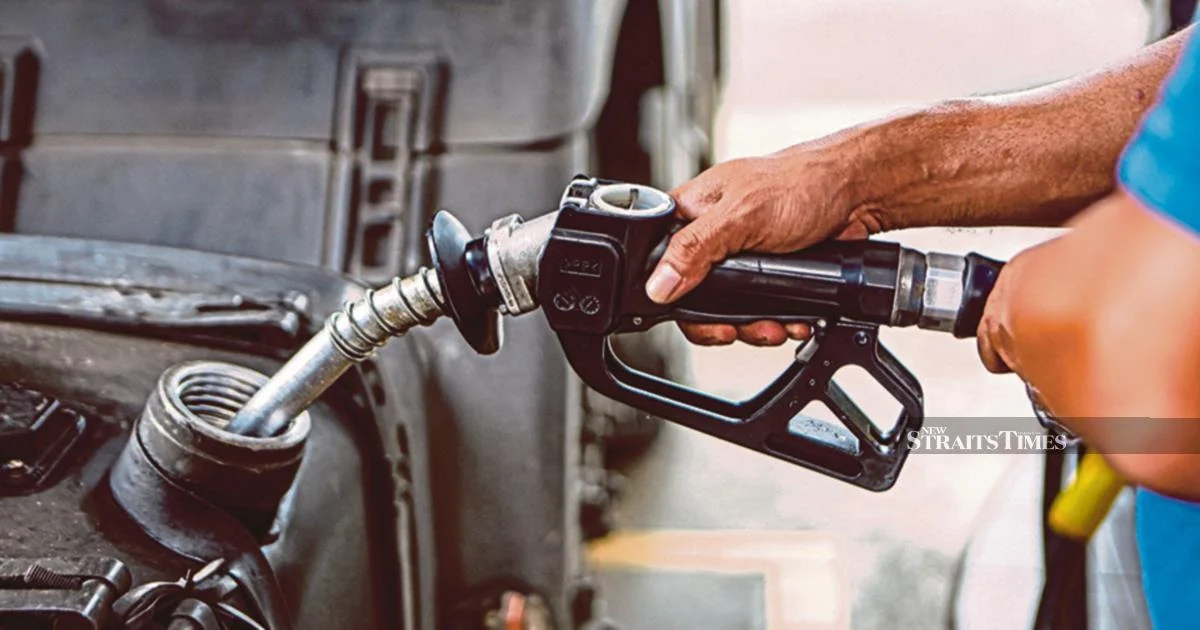
Malaysia's government is set to reduce the price of subsidised diesel to RM2.10 per litre from July as it continues implementing a comprehensive subsidy rationalisation strategy aimed at managing public expenditure while protecting lower-income households. The announcement represents the latest adjustment in the administration's carefully calibrated approach to fuel pricing, which seeks to balance budget constraints against the economic pressures facing Malaysian consumers and businesses dependent on affordable energy.
The subsidy rationalisation programme reflects growing recognition among policymakers that the country's fuel subsidy system, while historically popular, had become increasingly difficult to sustain given Malaysia's fiscal priorities. By gradually adjusting prices and restructuring support mechanisms, the government aims to redirect resources toward other pressing areas including infrastructure development, healthcare, and education. This shift marks a significant departure from previous decades when fuel subsidies remained largely untouched despite their substantial drain on national finances.
For Malaysia's transportation sector—a critical component of the economy encompassing logistics, ride-sharing services, and commercial haulage—the RM2.10 diesel price carries considerable implications. Commercial operators and logistics companies have long argued that subsidised fuel helps maintain competitive pricing in international markets and supports domestic supply chains. However, the incremental nature of these price adjustments allows businesses time to adapt operational costs and adjust their pricing strategies accordingly, minimising sudden economic shocks that more abrupt changes might trigger.
The timing of the July implementation provides a several-month window for stakeholders across Malaysia to prepare. This includes transport operators who may need to review contract terms, small and medium-sized enterprises that depend on diesel for operations, and ordinary Malaysians who rely on fuel-dependent transportation. Government ministries and agencies responsible for service delivery, from waste management to postal services, will similarly need to factor the new pricing into their budgeting frameworks.
Understanding the mechanics of diesel subsidy delivery in Malaysia requires recognition that the country operates a targeted subsidy system rather than blanket price controls. The subsidised rate applies primarily to diesel used domestically, while different pricing mechanisms exist for other fuel products and sectors. The distinction between subsidised and market prices creates administrative complexity but allows policymakers to direct support more strategically—a framework that has become increasingly important as the government seeks efficiency gains without entirely eliminating assistance for vulnerable groups.
The subsidy rationalisation programme sits within a broader regional context where Southeast Asian governments face similar pressures. Indonesia, another major oil-producing nation in the region, has implemented more aggressive subsidy reforms, while countries like Thailand and Vietnam grapple with balancing domestic price stability against fiscal sustainability. Malaysia's measured approach reflects conscious policy choices about the pace and scope of economic adjustment, prioritising social stability while gradually shifting toward market-based fuel pricing.
For Malaysian consumers, the RM2.10 diesel price represents a reduction from certain recent levels, offering some relief at the pump during a period of broader cost-of-living pressures. Taxi drivers, bus operators, and other professional transport users will particularly note the price change in their daily operating expenses. However, the real-world impact depends partly on broader energy market dynamics—international crude oil prices continue to influence regional energy costs, meaning any government price reduction could be partially offset by global market movements.
The government's rationale for subsidy rationalisation extends beyond immediate fiscal concerns. Economic theory suggests that artificially depressed fuel prices can create long-term distortions, including overconsumption, reduced incentives for efficiency improvements, and suboptimal investment in alternative energy sources. By gradually realigning prices toward more sustainable levels, policymakers hope to encourage behavioural changes that benefit Malaysia's long-term energy security and environmental objectives. This connects to Malaysia's stated commitments to carbon neutrality and renewable energy expansion, where higher fossil fuel prices theoretically accelerate the transition to cleaner alternatives.
The subsidy programme also intersects with Malaysia's ongoing efforts to manage inflation and control government spending. The Ministry of Finance has consistently highlighted that fuel subsidies represent a substantial budgetary commitment that competes with other development priorities. Reducing subsidy outlays creates fiscal space for investments in education, healthcare infrastructure, and economic diversification—sectors increasingly vital as Malaysia seeks to move up the global value chain and reduce dependence on commodity exports.
Industry observers note that the predictability of Malaysia's subsidy adjustment schedule—with announced changes typically taking effect at the start of each month—has helped businesses incorporate fuel costs into medium-term planning. Unlike ad-hoc or surprise price changes, the July implementation date for the RM2.10 diesel price allows supply chain operators, agricultural producers, and manufacturing enterprises adequate notice to adjust their operational forecasts and customer contracts where feasible.
Looking forward, the success of Malaysia's subsidy rationalisation programme ultimately depends on how effectively complementary policies protect vulnerable populations from fuel price increases. The government has indicated plans to strengthen targeted assistance for genuinely low-income households and essential services, suggesting that subsidy reform will be accompanied by more means-tested support mechanisms rather than blanket price controls. This approach recognises that blanket subsidies often benefit wealthier consumers more than poor households, as higher-income groups consume more fuel overall.
The diesel price adjustment also reflects Malaysia's position within global energy markets. As a net petroleum exporter, Malaysia benefits when crude prices are strong, but this advantage diminishes as the economy matures and fuel consumption patterns change. Strategic pricing policies that gradually transition the domestic market toward international price benchmarks position Malaysia more competitively in regional energy discussions and reduce the fiscal burden of maintaining large price differentials between domestic and export markets.

