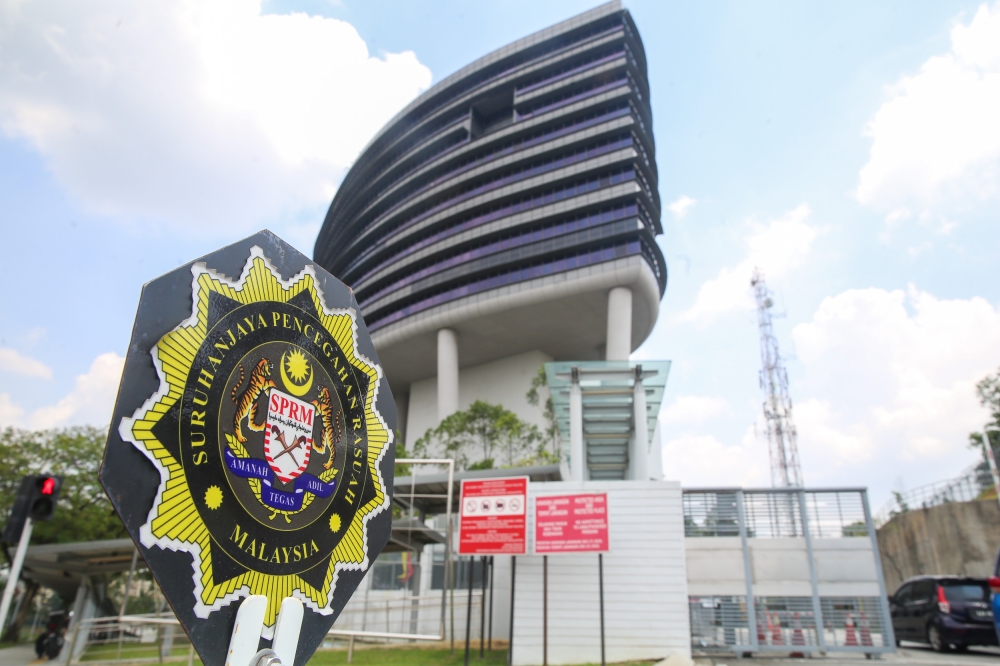
The Malaysian Anti-Corruption Commission is set to convene regional corruption-fighting agencies at the 22nd Asean-PAC meeting, marking a significant step in coordinating the region's response to graft that increasingly transcends national borders. The gathering will bring together anti-corruption bodies from across Southeast Asia to discuss shared challenges and develop unified strategies against complex schemes that exploit weak enforcement links between countries.
Cross-border corruption has emerged as a stubborn problem throughout the region, with sophisticated criminal networks moving illicit funds through multiple jurisdictions and exploiting gaps in international cooperation. Transnational bribery, embezzlement tied to regional trade flows, and money laundering connected to procurement fraud have all demonstrated the limitations of tackling corruption within isolated national systems. The convening of these agencies reflects growing recognition that effective anti-graft work requires real-time intelligence sharing, harmonized legal frameworks, and mutual assistance agreements that function smoothly in practice.
The Asean-PAC framework has gradually evolved since its inception to serve as the primary channel through which Southeast Asian anti-corruption agencies coordinate enforcement actions. The platform enables officials to exchange investigative techniques, discuss legislative gaps that allow wrongdoers to operate with impunity, and coordinate simultaneous operations that might otherwise tip off suspects. Malaysia's role as host underscores the MACC's standing within the region's corruption-fighting hierarchy and reflects the country's commitment to demonstrating institutional capacity in this domain.
One critical issue likely to feature prominently involves the recovery of stolen assets that cross maritime and terrestrial borders within Southeast Asia. Corruption often generates wealth that flows through regional financial hubs, making tracing and asset recovery procedurally complex. Harmonizing procedures for mutual legal assistance and expediting extradition requests could significantly improve outcomes in cases where suspects flee to neighboring countries. The meeting provides opportunity to identify specific bottlenecks that currently slow investigations and coordinate pressure for legislative reforms.
The agenda will also address corruption connected to regional development projects, particularly infrastructure investments that often involve multiple countries and transnational supply chains. Procurement fraud tied to major construction contracts, port development, and transportation networks has demonstrated how corruption in one country's implementation of regional initiatives affects the integrity of the entire system. Agencies will likely exchange information about common typologies of graft in these sectors and discuss preventive measures that could be adopted collectively.
Digital technologies present both opportunity and challenge for the region's corruption fighters. While expanded financial surveillance capabilities and digital forensics improve detection, organized criminal networks increasingly exploit cryptocurrency and complex layering schemes to obscure illicit flows. The technical capacity gaps between Southeast Asian nations mean that sophisticated investigations often stall when evidence trails lead into jurisdictions with weaker technological infrastructure. Regional cooperation can help smaller economies access expertise and tools necessary for investigating cases involving digital evidence and international financial movement.
The meeting will inevitably grapple with sovereignty concerns that periodically complicate regional cooperation. Some countries maintain stricter compartmentalization of sensitive investigations, and political sensitivities surrounding high-level officials occasionally create reluctance to share information. Building trust among agencies requires demonstrated commitment to confidentiality, clarity about how shared intelligence will be used, and assurances that cooperation will not be weaponized for political purposes. These institutional challenges often prove as significant as technical or legal barriers.
Malaysia's own anti-corruption framework has undergone substantial reforms in recent years, expanding the MACC's investigative powers and strengthening asset recovery mechanisms. Hosting the regional meeting allows Malaysia to position itself as a standard-setter and to showcase institutional improvements that could serve as models for other Southeast Asian countries. The country's experience implementing stronger corporate governance requirements and whistleblower protections offers practical lessons for jurisdictions still developing these mechanisms.
International engagement with countries outside the region will likely feature in discussions, particularly regarding mutual legal assistance treaties and extradition arrangements with major financial centers where Southeast Asian corruption proceeds often accumulate. Cooperation with agencies in Hong Kong, Singapore, and other offshore financial centers has proven essential for asset recovery operations. The regional framework can advocate more forcefully for legal reforms and enforcement cooperation that might prove difficult for individual countries to demand.
The meeting also represents an opportunity for smaller or less developed anti-corruption agencies within Asean to build capacity through knowledge transfer and technical assistance arrangements. Peer-to-peer learning among regional counterparts often proves more effective than external technical assistance, as solutions can be tailored to similar legal systems and administrative contexts. Establishing mentorship relationships and joint training programs through this platform could incrementally strengthen corruption-fighting capacity throughout the region.
Looking forward, the effectiveness of such regional cooperation ultimately depends on sustained political will and the allocation of sufficient resources to follow through on agreements. Past regional meetings have generated collaborative commitments that faltered due to competing national priorities or budget constraints. Success will require that participating governments demonstrate through concrete actions—increased staffing for international units, expedited processing of mutual legal assistance requests, and prompt arrest of suspects sought by neighboring jurisdictions—that they view regional corruption control as a genuine priority.

