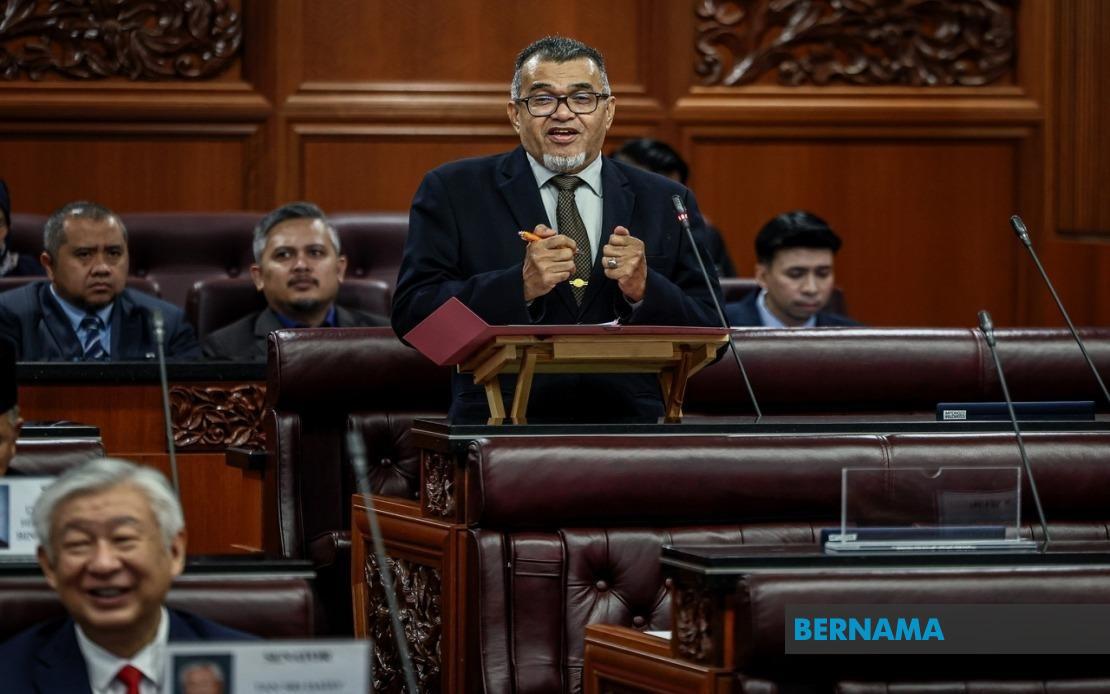
The Malaysian government is moving swiftly to strengthen legal deterrents against railway cable theft, with Deputy Transport Minister Datuk Hasbi Habibollah announcing plans to dramatically increase penalties under national transport laws. The proposed amendment would lift fines for individuals caught trespassing and stealing cables from rail infrastructure to RM100,000 per offence, a hundred-fold increase from the current RM1,000 maximum penalty. Speaking during question time at Dewan Negara, Hasbi indicated the legislative changes would likely be presented to Parliament within the current year, reflecting the urgency with which authorities view the escalating crime.
The decision to pursue these stricter measures reflects mounting concern about the financial and operational toll that organised cable theft has inflicted on Malaysia's rail network. Across the country's major rail operators and projects, thieves have caused RM50 million in cumulative losses, according to figures disclosed by Hasbi. This staggering sum encompasses damage to Keretapi Tanah Melayu Berhad infrastructure, Prasarana Malaysia Berhad facilities, and facilities associated with the East Coast Rail Link, one of the nation's most strategically significant infrastructure initiatives. The sheer scale of these losses underscores why officials believe existing penalties have become counterproductive, failing to impose consequences commensurate with the damage inflicted.
The ECRL project has proven particularly vulnerable to organised theft operations. Hasbi revealed that 71 separate cable theft incidents have been documented along the project's route, resulting in RM4.06 million in direct losses. Additional cases involving theft or damage to equipment and materials related to the railway system added another RM0.69 million in losses, bringing the combined total to RM4.75 million on the ECRL alone. What renders these figures especially concerning is that the ECRL remains under active construction, with no passenger operations yet commenced. Nevertheless, the interruptions caused by theft have begun affecting project timelines, jeopardising schedules for installation, testing, commissioning, and operational readiness.
For operational rail networks already carrying passengers and freight, cable theft creates immediate and tangible service disruptions. When thieves strip copper and other valuable metals from rail infrastructure, they do not merely damage physical assets—they disrupt the electrical and signalling systems essential for safe train movement. This cascading impact ripples through schedules, frustrates commuters, and imposes financial burdens on operators attempting to maintain reliable transport services across the region. The inadequacy of current penalties means that for criminals operating with sophisticated coordination, the profit from a single theft operation can far exceed any legal consequences they face if apprehended.
Beyond legislative action, the government is implementing a layered security strategy designed to prevent theft before it occurs. Authorities are currently installing 1,146 closed-circuit television cameras along railway corridors spanning from Johor through to northern Malaysian states, creating a surveillance network intended to deter criminal activity and provide crucial evidence for prosecutions. This technological investment demonstrates recognition that legal penalties alone cannot solve entrenched crime problems without complementary preventive infrastructure.
On the ground, operational security measures have been intensified through expanded patrol capabilities. Keretapi Tanah Melayu Berhad has procured 20 scrambler motorcycles to equip its Auxiliary Police force, enabling more agile and frequent coverage of vulnerable rail sections across a 24-hour cycle. These two-wheeled units can navigate terrain where traditional vehicle patrols might face constraints, allowing security personnel to reach remote railway segments more rapidly. Beyond mechanical solutions, authorities have deployed trained sniffer dogs from the K9 unit to detect and locate stolen materials, while implementing physical hardening measures such as securing high-risk access points through reinforced manhole covers.
The deliberate approach combining tougher criminal sanctions with on-the-ground prevention efforts reflects evolving understanding among Malaysian officials that railway security cannot rely on any single intervention. Previous experience with crime prevention demonstrates that would-be offenders respond to perceived certainty of detection and consequence, not merely the theoretical severity of punishment. By simultaneously raising stakes through enhanced fines while improving the likelihood of apprehension through cameras, patrols, and detection capabilities, policymakers hope to create an environment where cable theft becomes substantially less attractive to criminal networks.
The timing of these announcements carries significance beyond rail security alone. Malaysia's transport sector is undergoing substantial modernisation, with the ECRL representing an enormous financial commitment stretching across years of construction and future decades of operation. Premature degradation of critical infrastructure through organised theft threatens not only the capital investments already deployed but also the long-term viability and reliability that regional and international stakeholders expect from these systems. The government's proactive legislative response signals determination to protect these strategic assets from predatory crime during their construction and operational phases.
Regional implications extend beyond Malaysia's borders, as infrastructure theft networks often operate across Southeast Asian countries with organised efficiency. By establishing stronger legal frameworks and demonstrating enforcement commitment, Malaysia may influence how other nations approach rail security, potentially creating a more hostile environment for transnational organised crime groups targeting transportation infrastructure. The legislative amendment, when passed, would position Malaysia among the more stringent jurisdictions regarding railway cable theft, potentially forcing criminal organisations to recalculate their operational calculus across the region.
Stakeholders within Malaysia's transport sector have grown increasingly vocal about the urgent need for such measures. The cumulative pressure from repeated theft incidents, escalating losses, and service disruptions has created political momentum for legislative action that might not have materialised without sustained operational problems. As commuters and freight customers experience service delays attributable to cable theft, public support for stronger countermeasures has solidified, enabling government officials to advance reforms that face less resistance than might have been anticipated several years earlier.
The proposed RM100,000 fine threshold reflects international standards for rail infrastructure protection, aligning Malaysian legislation with practices in developed economies that have successfully combated similar crimes through substantial penalties. By adopting comparable strictness, Malaysia signals its intention to operate transport systems according to global best practices rather than accepting regional crime patterns as inevitable or unchangeable. This standardisation of security approaches can facilitate cooperation with international law enforcement agencies investigating transnational theft networks.
Implementation challenges will inevitably emerge once the legislation passes Parliament. Prosecutors must successfully build cases proving cable theft allegations beyond reasonable doubt, which requires maintaining evidence chains and witness testimony carefully gathered by field security personnel. Courts must impose penalties close to the maximum allowed under revised law to ensure consistency in deterrent effect. Additionally, rehabilitation and investigation resources must expand proportionally to increased arrest rates resulting from improved detection capacity. Success therefore depends not merely on legislation but on sustained commitment across multiple government agencies and funding allocations spanning years.

