The Malaysian Education Ministry is preparing a comprehensive public awareness campaign targeting schools nationwide, focusing on three critical pieces of child protection legislation. Education Minister Fadhlina Sidek announced the initiative following discussions with the Human Rights Commission of Malaysia (SUHAKAM), signalling a strengthened partnership between the two institutions to combat escalating concerns over child safety in educational settings.
The advocacy push will centre on the Child Act 2001, the Anti-Bullying Act 2026, and the Sexual Offences Against Children Act 2017. These three legislative frameworks form the backbone of Malaysia's legal architecture for safeguarding minors, yet awareness gaps remain particularly acute in schools where children spend significant portions of their formative years. Fadhlina's announcement indicates recognition that existing legislation requires far greater public understanding and institutional buy-in to be effective.
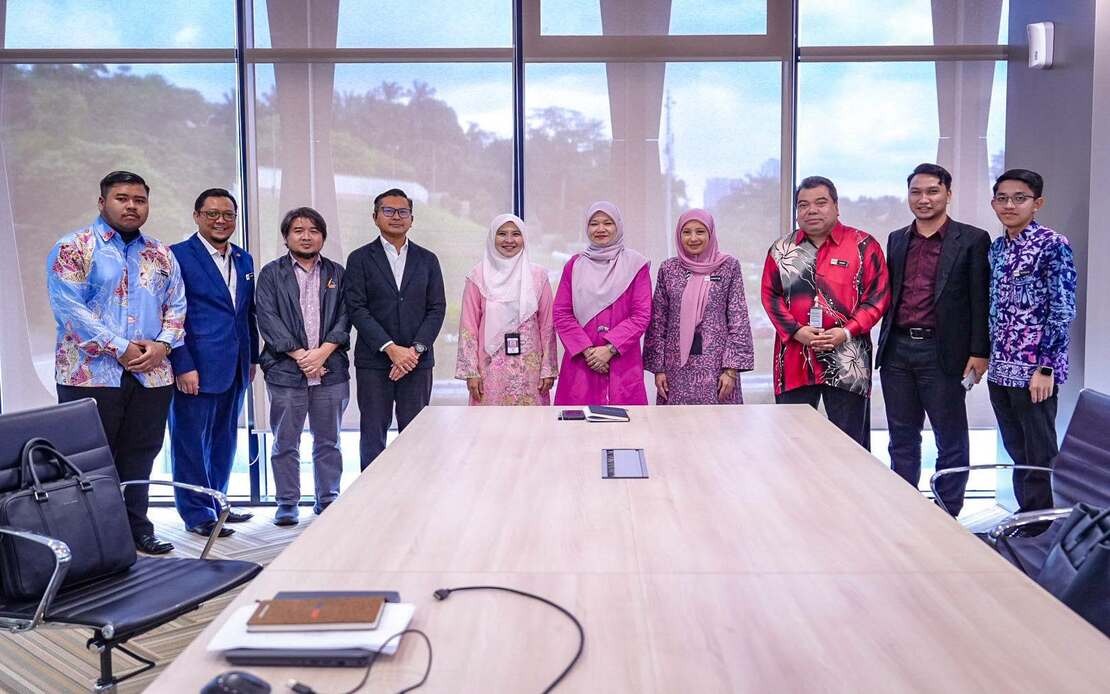
The collaboration emerged from a high-level meeting between Fadhlina and a SUHAKAM delegation led by Children's Commissioner Dr Farah Nini Dusuki and Dr Mohd Al Adib Samuri. This engagement reflects growing momentum at the highest levels of government to prioritise child welfare beyond legislative pronouncements. SUHAKAM's involvement brings crucial expertise in human rights advocacy and child protection, positioning the partnership to craft messaging and educational materials grounded in established best practices.
Current conditions in Malaysian schools have prompted this intervention. Bullying, a perennial concern in educational environments globally, continues to affect student wellbeing and academic performance in Malaysia. Sexual harassment targeting minors, though often underreported, represents an even more serious threat that demands urgent institutional attention. By formalising advocacy programmes, the government signals that these issues are not peripheral but central to its education policy agenda.
The Anti-Bullying Act 2026 represents the most recent of the three legislation components, indicating the government's evolving response to peer aggression in schools. This law establishes legal frameworks specifically designed to hold perpetrators accountable while protecting victims. However, legislative existence alone proves insufficient without corresponding awareness campaigns that educate students, teachers, and parents about their rights and obligations under the law. The planned advocacy should clarify what constitutes bullying, the reporting mechanisms available, and the protections afforded to victims.
The Child Act 2001 provides the foundational legal protections for Malaysian children, addressing matters from custody and guardianship to child labour and abuse. Despite operating for over two decades, many educators and school administrators lack comprehensive understanding of their obligations under this act. An education-sector-wide awareness campaign could equip school personnel with clearer knowledge of their duties to identify at-risk children and initiate appropriate interventions.
Sexual offences targeting children remain perhaps the most sensitive and underaddressed dimension of child protection in Malaysia. The Sexual Offences Against Children Act 2017 criminalises various forms of sexual exploitation and abuse, yet gaps in reporting and prosecution suggest persistent awareness deficits among both children and duty-bearers. School-based advocacy could demystify the support pathways available to abuse victims and empower children to recognise inappropriate conduct and seek help.
Fadhlina emphasised that strengthening collaboration between the Education Ministry and SUHAKAM should extend beyond one-off campaigns to sustained institutional cooperation. This framing suggests the government views the advocacy initiative as foundational work enabling broader systems change. Effective implementation will require training educators to deliver educational content, establishing safe reporting channels within schools, and creating accountability mechanisms when violations occur. The partnership model positions SUHAKAM's human rights expertise to guide the Education Ministry's implementation strategies.
The emphasis on creating a safe learning environment speaks to a recognition that child protection transcends individual incidents or isolated interventions. Schools must function as protective institutions where children's rights are consistently upheld, where adults understand their safeguarding responsibilities, and where victims know they will be believed and supported. This systemic approach, if genuinely implemented, could represent a meaningful shift from reactive crisis management to proactive cultural change.
For Malaysian parents, the campaign offers potential benefits including greater transparency about child protection mechanisms in schools and clearer pathways to escalate concerns. For children themselves, age-appropriate advocacy messaging could build recognition of their rights and reduce stigma around reporting abuse or bullying. Teachers and school administrators, meanwhile, will gain clarity on their legal obligations and support systems available to them when managing safeguarding issues.
The regional context adds significance to Malaysia's initiative. Several Southeast Asian nations face similar challenges with child protection implementation despite legislative frameworks. Malaysia's partnership model between government and human rights institutions could offer instructive lessons for neighbouring countries seeking to strengthen child safety outcomes through coordinated advocacy and institutional collaboration.
Fadhlina's closing statement that child rights and welfare will remain a government priority without compromise sets explicit expectations for follow-through. Translating this commitment into sustained funding, curriculum integration, and institutional accountability will ultimately determine whether the advocacy campaign generates meaningful improvements in child protection outcomes or remains symbolic gesture. The coming months will reveal whether the Education Ministry and SUHAKAM possess the resources and political will necessary to implement comprehensive school-based awareness programmes reaching Malaysia's diverse student population.

