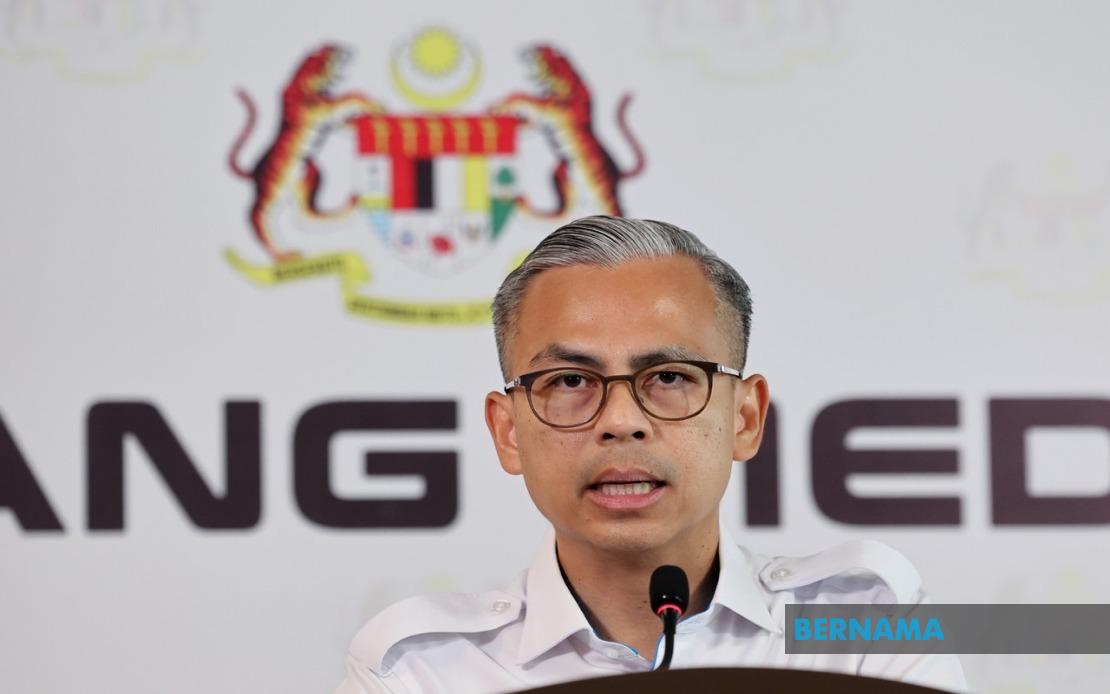
The Malaysian government has committed to implementing a comprehensive registration system for e-commerce platforms, with both the Finance Ministry and the Ministry of Communications tasked with developing regulatory measures to strengthen consumer protection. Government spokesman Datuk Seri Fahmi Fadzil announced the decision following a Cabinet meeting where Prime Minister Datuk Seri Anwar Ibrahim raised concerns brought forward by the public, including complaints from platform operators themselves and traditional retailers worried about competitive disadvantages.
The regulatory initiative responds to mounting consumer grievances about the adequacy of existing oversight mechanisms governing digital commerce. Among the most pressing issues cited are the proliferation of electrical and electronic goods that may not comply with established safety standards, along with uncertainty surrounding the halal certification status of products listed on major platforms. These concerns underscore a broader tension between rapid e-commerce expansion and the need for robust consumer safeguards in Malaysia's increasingly digital retail environment.
Fahmi emphasised that government intervention aims to support rather than suppress the e-commerce sector, noting that authorities have no intention of closing platforms or imposing blanket restrictions. Instead, the focus will centre on ensuring all products offered meet mandatory local standards and regulatory requirements. For electrical and electronic items, this means compliance with benchmarks established by SIRIM, the national standards body. Products bearing halal certification must likewise adhere to Malaysia's formal halal standards, a critical requirement given the country's Muslim majority and the significant role religious compliance plays in consumer purchasing decisions.
The regulatory framework already includes several existing mechanisms that will form the foundation of the new system. The Finance Ministry and Inland Revenue Board maintain established registration processes for commercial entities, while the Malaysian Communications and Multimedia Commission operates licensing protocols developed through its experience regulating social media platforms. These existing infrastructure components will be leveraged and adapted to address the specific characteristics of e-commerce operations, allowing authorities to build upon proven regulatory models rather than creating entirely novel systems.
Engagement with industry stakeholders represents a central pillar of the implementation strategy. The ministries plan to conduct extensive consultation sessions with e-commerce platform operators to explain requirements and solicit input on practical compliance mechanisms. This collaborative approach draws on lessons learned from MCMC's licensing framework for social media platforms, which generated valuable experience in identifying critical oversight points and negotiating workable arrangements with digital service providers. Similar discussions are envisioned with e-commerce operators, suggesting a more consultative regulatory approach than traditional enforcement-focused models.
Data released by MCMC reveals the scale of consumer complaints related to e-commerce platforms, underscoring the urgency of the regulatory response. Between January 1 and August 25 this year, the commission received 1,964 complaints spanning various platform-related issues including fraudulent transactions, product misrepresentation, and safety concerns. Of these, 1,147 originated in 2025 while 817 came from earlier in the current year, with 118 cases still under active investigation. The complaint categories illuminate specific vulnerabilities: 191 complaints involved electrical or electronic products, while four specifically addressed concerns about halal certification authenticity, suggesting that while broad issues affect platforms, discrete regulatory gaps require targeted intervention.
The electrical products category emerges as particularly problematic, representing nearly ten percent of all complaints received by MCMC. This concentration reflects genuine safety hazards posed by substandard equipment, where inferior wiring, inadequate protective mechanisms, or counterfeit components risk fire hazards, electrical shock, and other dangers. Malaysia's experience with rapid e-commerce adoption has outpaced regulatory capacity to verify product quality at scale, creating a gap that registration requirements and compliance auditing could address by establishing accountability chains linking platform operators to product safety.
Halal certification issues, though fewer in absolute numbers, carry disproportionate significance given cultural and religious considerations in Malaysia's market. Consumers rely on halal labelling when making purchasing decisions, and false or misleading claims constitute not merely commercial deception but violations of religious trust. The small number of halal-specific complaints may reflect either limited awareness among consumers that they can file such complaints or gaps in verification mechanisms that leave violations undetected rather than uncommon occurrences.
The registration framework aligns with broader Southeast Asian trends toward stronger digital commerce governance. Across the region, regulators grapple with balancing the economic benefits of thriving e-commerce ecosystems against legitimate consumer protection imperatives. Malaysia's approach, emphasising registration and standards compliance rather than restrictive measures, positions the country within a emerging consensus that light-touch regulation focused on transparency and accountability serves markets better than heavy-handed intervention.
For Malaysian consumers, registration requirements promise tangible benefits through enhanced accountability and supply chain visibility. Registered platforms operate with greater regulatory exposure, creating incentives to verify suppliers, audit product listings, and establish complaint resolution procedures. This shift from current practices should reduce friction in addressing grievances and accelerate remedial action when safety violations or fraud occurs. Platform operators meanwhile face compliance costs but gain legitimacy and potential competitive advantages through demonstrated adherence to standards, attracting quality-conscious consumers and differentiating compliant platforms from unregulated alternatives.
The timeline for implementing these requirements remains to be determined through ongoing consultations between the Finance Ministry, Communications Ministry, and industry stakeholders. Fahmi's announcement signals imminent action rather than distant policy, suggesting that concrete regulatory proposals could materialise within months rather than years. The consultative process will likely generate detailed compliance procedures, registration fee structures, and enforcement mechanisms.
Successful implementation depends substantially on coordinated interagency action and genuine industry engagement. The existence of multiple oversight bodies—Finance Ministry, IRB, and MCMC—creates potential for either fragmented requirements that confuse operators or streamlined processes that minimise compliance burden. How authorities harmonise these different regulatory streams will significantly influence whether the framework achieves its protective objectives without strangling innovation or imposing unnecessary costs on operators.

