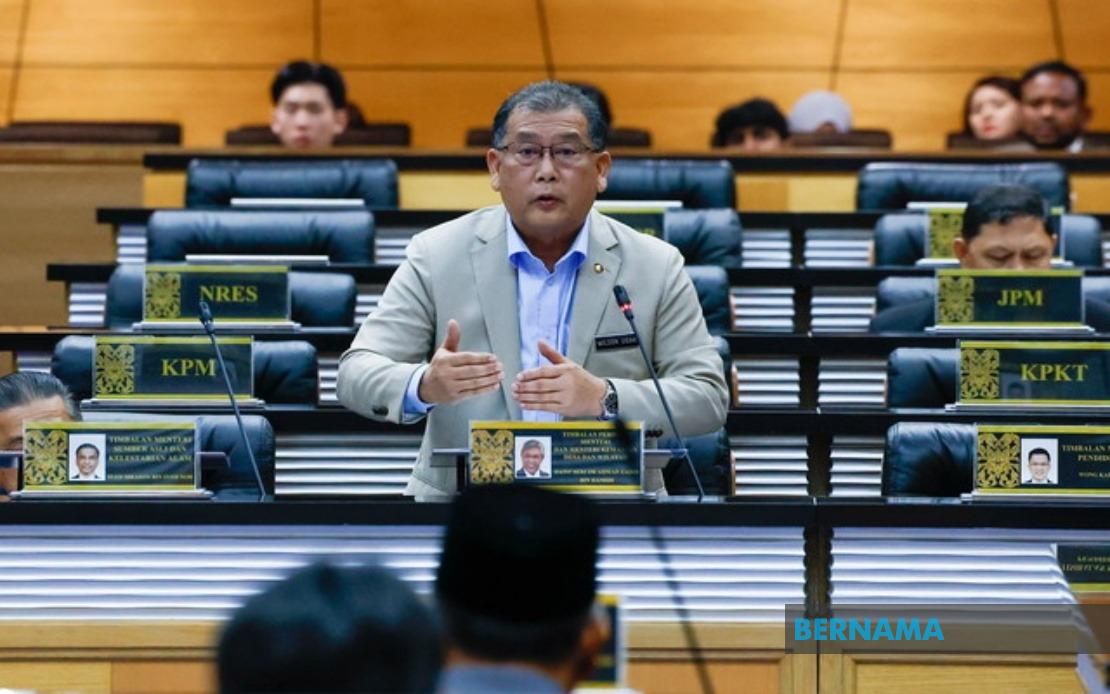
Malaysia is moving forward with an ambitious infrastructure programme to fortify its disaster management capabilities, with 15 permanent disaster relief centres set to become operational across nine states in phases beginning this year. The announcement, made by Deputy Digital Minister Datuk Wilson Ugak Kumbong during a parliamentary session, underscores the government's renewed commitment to establishing dedicated facilities rather than continuing the long-standing practice of commandeering school buildings when natural disasters strike.
The rollout reflects the completion of construction work in Johor and Pahang, with nine additional facilities currently under construction in other priority areas. Four further centres remain in the procurement and planning phases, indicating a carefully staged approach to resource deployment. This measured strategy allows authorities to learn from early implementations and refine operations before wider national expansion. The focus on nine states suggests that selection has been guided by disaster vulnerability assessments, though officials have confirmed that site selection prioritises areas with histories of severe flooding.
The conceptual foundation for this initiative traces back to 2023, when the government introduced a dual-function model designed to address a longstanding tension in emergency management. During normal circumstances, these facilities will serve communities through cultural events, meetings, and recreational activities, transforming them into productive civic assets rather than idle infrastructure. When disasters strike—particularly during the monsoon seasons that regularly inundate portions of the peninsula and East Malaysia—these spaces immediately convert into organised relief operations. This design philosophy reflects sophisticated asset management thinking that maximises utility while maintaining disaster readiness.
Each centre incorporates comprehensive facilities calibrated to meet the complex needs of displaced populations. The infrastructure includes an open hall accommodating up to 500 displaced persons, separate dining facilities with integrated kitchen areas, medical treatment rooms, accessible sanitation blocks for persons with disabilities, prayer rooms for Muslim evacuees, and specially designed spaces intended to provide psychological support to vulnerable groups. This level of specification represents a significant departure from the improvised, often inadequate arrangements that characterise school-based emergency shelters, which typically lack proper cooking facilities, medical capacity, and dignity-focused design elements.
The burden on educational institutions during disaster seasons has become increasingly untenable as flood frequency and intensity appear to intensify across Malaysia. Schools utilised as temporary relief centres face extended closures that disrupt academic calendars, disadvantage students already managing emotional trauma from losing homes and possessions, and consume resources needed for teaching. The government's recognition that this dual use of educational facilities is unsustainable marks a significant policy evolution, particularly given the political sensitivity surrounding school disruptions in a country where examination schedules carry substantial weight in educational and family contexts.
Implementation of the programme involves a coordinated governance structure reflecting Malaysia's federal system. Proposals for new facilities must first receive approval from State Disaster Management Committees before advancing to the National Disaster Management Agency (NADMA) for national-level evaluation and final approval. This tiered process ensures alignment between federal resources and state priorities while maintaining technical standards for facility design and operational capacity. The requirement that NADMA secure additional development allocations for subsequent phases indicates that financing remains a potential constraint, though government commitment appears firm.
As transitional measures pending the completion of permanent centres, the government has allocated RM4.44 million to upgrade temporary relief centre facilities across 25 locations run by the Ministry of Education. These improvements target critical gaps in accommodation quality and emergency aid storage systems. Additionally, NADMA has established a maintenance fund providing up to RM50,000 per site for repairs and upkeep following each monsoon season, recognising that infrastructure deterioration compromises effectiveness when rapid deployment becomes necessary. These parallel investments suggest a comprehensive modernisation of Malaysia's disaster response infrastructure rather than a simple replacement strategy.
The scope of this initiative carries particular significance for Southeast Asian readers navigating similar disaster vulnerabilities. Thailand, Indonesia, and the Philippines all contend with comparable seasonal flooding challenges and frequently resort to school requisitioning during emergencies. Malaysia's permanent facility model offers a replicable template that other regional governments might adapt, demonstrating that dedicated infrastructure represents a cost-effective long-term solution compared to recurring disruptions to education systems and school asset degradation from emergency use.
Deputy Minister Wilson Ugak's emphasis on shared responsibility across government levels, private enterprise, and community organisations reflects contemporary disaster management philosophy. The "whole-of-government and whole-of-society" framing acknowledges that NADMA cannot single-handedly manage responses to events that simultaneously overwhelm multiple sectors. Private sector participation in facility construction, supply logistics, and staffing can dramatically enhance response capacity, whilst community engagement ensures that relief operations remain culturally sensitive and incorporate local knowledge about vulnerabilities and effective support mechanisms.
The selection criteria prioritising frequently flooded areas demonstrates evidence-based planning, concentrating resources where historical data indicate greatest need. This targeting approach maximises return on investment whilst addressing the populations facing greatest disaster exposure. However, the staggered completion timeline means that some flood-prone communities may experience further seasons without access to these superior facilities, potentially intensifying existing equity concerns regarding whose communities receive enhanced protection first.
Looking forward, the permanent centres programme positions Malaysia to respond to disaster displacement with greater professionalism and scale than current arrangements permit. The programme's success will likely influence subsequent policy development around other disaster types, including landslides and urban flooding, and may establish templates for regional disaster management cooperation. As climate patterns continue shifting and precipitation events grow more volatile, Malaysia's investment in dedicated disaster infrastructure represents pragmatic adaptation to emerging environmental realities rather than merely reactive management of existing hazards.
The initiative also reflects changing expectations among Malaysian citizens regarding government service quality during emergencies. Populations experiencing repeated displacements increasingly demand facilities that preserve dignity, provide safety, and minimise trauma, particularly for children separated from schools and routine. These permanent centres, when combined with improved temporary measures at current relief sites, position the government to meet these expectations more consistently across successive disasters.

