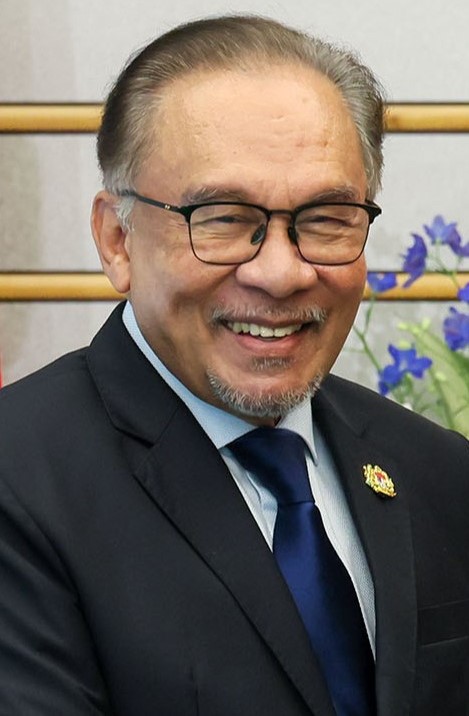
Prime Minister Datuk Seri Anwar Ibrahim is travelling to Ashgabat for a two-day state visit on June 18 to 19, marking a significant diplomatic engagement aimed at elevating Malaysia-Turkmenistan relations across multiple sectors. The trip represents an important opportunity to deepen institutional ties between the two nations and establish frameworks for enhanced economic cooperation at a time when both countries are seeking to diversify their international partnerships.
Energy cooperation forms the cornerstone of the anticipated discussions, reflecting Turkmenistan's substantial natural gas reserves and Malaysia's established expertise in hydrocarbons processing and liquefied natural gas technology. Turkmenistan possesses some of the world's largest proven natural gas reserves, and expanding bilateral engagement in this sector could create meaningful opportunities for Malaysian companies involved in energy exploration, production, and downstream operations. The potential for knowledge transfer and joint ventures in oil and gas extraction and processing represents a natural area of mutual interest given Malaysia's track record as an established player in regional energy markets.
Beyond hydrocarbons, the bilateral agenda encompasses transportation and logistics, sectors where Malaysia possesses competitive advantages through its strategic positioning along major sea routes and its developed port infrastructure. Turkmenistan, as a Central Asian nation seeking to strengthen connectivity with Asia-Pacific markets, stands to benefit from Malaysian expertise in maritime logistics and supply chain management. Enhanced cooperation in these areas could facilitate improved trade flows between Central Asia and Southeast Asia, with Malaysian ports and logistics hubs serving as pivotal gateways for Turkmen exports to regional markets and beyond.
Agricultural collaboration also features prominently in the envisioned partnership. Malaysia's advanced agricultural technology and farming practices could be adapted to Turkmen conditions, while potential imports of Turkmen agricultural products could diversify Malaysia's food supply sources. This dimension of cooperation addresses broader regional food security concerns and aligns with Malaysia's strategy to develop sustainable agricultural partnerships across diverse geographies.
The timing of Anwar's visit reflects broader Malaysian foreign policy objectives focused on strengthening ties with Central Asian nations and expanding the country's diplomatic footprint beyond traditional Southeast Asian partnerships. Central Asia has emerged as an increasingly important region for Malaysian businesses and investors seeking growth opportunities in emerging markets. By engaging directly at the highest political level, Malaysia signals its commitment to building deeper relationships with countries that offer complementary economic advantages and untapped market potential.
Turkmenistan, under the framework of multi-vectored foreign policy, has sought to diversify its international relationships while maintaining stability in the region. The visit from Malaysia's premier provides Ashgabat with an opportunity to strengthen ties with a fellow Muslim-majority nation that has successfully balanced economic development with regional influence. Malaysia's experience navigating complex geopolitical environments and maintaining productive relationships across diverse cultural and political contexts offers valuable lessons for Central Asian policymakers.
Bilateral trade and investment flows between Malaysia and Turkmenistan remain modest compared to the potential that exists between the two nations. The state visit is likely to catalyse discussions aimed at removing barriers to trade, facilitating business-to-business connections, and creating institutional mechanisms for sustained economic engagement. Malaysian companies operating in petrochemicals, manufacturing, and services sectors may find new openings in Turkmen markets, while Turkmen enterprises could access Malaysian expertise and networks for regional expansion.
The diplomatic engagement also carries implications for Malaysia's positioning within broader Central Asian geopolitics. Malaysia's neutrality on contentious regional issues and its track record of maintaining productive relationships across ideological divides make it an attractive partner for Central Asian nations seeking to build partnerships without entanglement in regional rivalries. As Central Asia becomes increasingly significant to global energy security and trade flows along new Silk Road initiatives, Malaysia's engagement signals recognition of the region's growing importance.
Academic and cultural exchange programmes, visa facilitation, and people-to-people connections will likely feature among discussions, as these foundations strengthen diplomatic relationships and create enduring links between societies. Tourism, education, and cultural initiatives often provide sustainable bases for long-term bilateral cooperation that extends beyond government-to-government relations.
For Malaysian policymakers, the visit underscores commitment to expanding the country's economic horizons and reducing dependency on traditional trading partners. Turkmenistan represents part of a broader geographical diversification strategy that has seen Malaysia engage more actively across Asia, the Middle East, Africa, and Central Asia. This multipolar approach to foreign relations enhances Malaysia's resilience and creates multiple avenues for economic growth.
The June visit is expected to produce concrete outcomes in the form of bilateral agreements, memoranda of understanding, and roadmaps for enhanced cooperation across identified priority sectors. Such frameworks typically establish clear timelines and performance indicators for implementation, transforming diplomatic goodwill into actionable economic partnerships that benefit private sector actors in both nations.