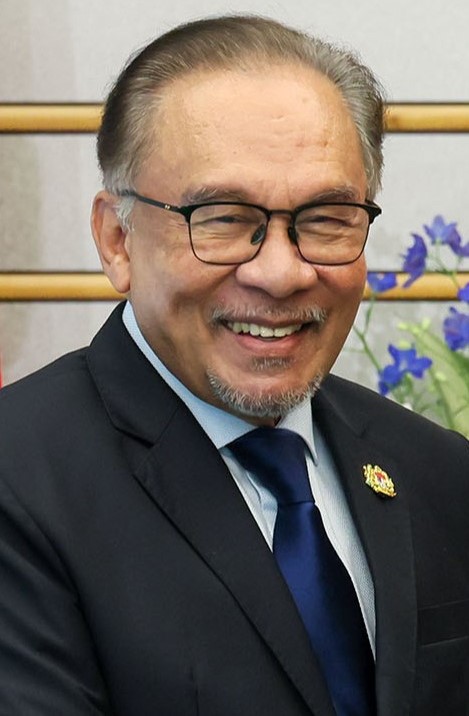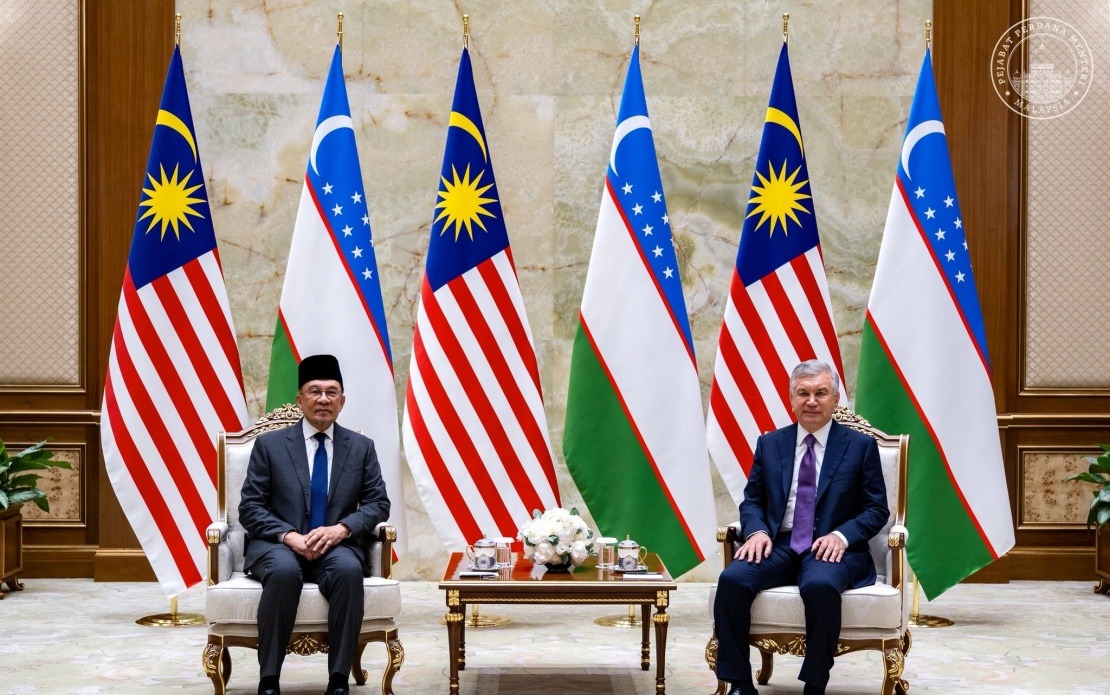
Prime Minister Datuk Seri Anwar Ibrahim has identified significant untapped potential for Malaysia and Uzbekistan to deepen their partnership across multiple economic and cultural domains. During a transit stop in Tashkent en route to the ASEAN-Russia Commemorative Summit in Kazan, the Malaysian leader held discussions with Uzbekistan President Shavkat Mirziyoyev to explore avenues for strengthening bilateral engagement and positioning both nations as strategic partners in Central Asia and Southeast Asia respectively.
The window for expanded cooperation spans several priority areas that reflect both nations' development ambitions. Energy represents perhaps the most commercially promising dimension, with particular emphasis on the gas and petroleum sectors where Uzbekistan possesses significant reserves and technical expertise. Such collaboration could serve Malaysia's diversified energy portfolio objectives while offering Uzbekistan access to Southeast Asian markets and investment channels. Beyond immediate economic returns, energy cooperation carries strategic weight in addressing regional energy security concerns and supporting the continent's transition toward sustainable industrial practices.
Trade and investment linkages constitute another pillar of the proposed partnership framework. Currently, bilateral economic engagement remains modest relative to the potential inherent in two Muslim-majority nations with complementary resource endowments and market structures. Deepening commercial ties through enhanced trade agreements, joint ventures, and investment guarantees could unlock value for private sector actors in both countries whilst strengthening the broader Malaysia-Central Asia relationship that has historically received less diplomatic attention than Malaysia's connections with Western Asia or Southeast Asia proper.
Educational exchange emerged as an important component of the bilateral agenda. Malaysia's established position as an educational hub for international students, particularly from Islamic nations, offers opportunities to attract Uzbek scholars and professionals. Simultaneously, Uzbekistan's institutions hold expertise in certain technical and scientific fields that could benefit Malaysian academic institutions through student mobility programmes and faculty collaboration initiatives. Educational partnerships generate long-term people-to-people connections that fortify diplomatic relations across generations.
The halal industry represents a distinctive convergence point reflecting both countries' Islamic heritage and commercial interests. Malaysia's globally recognised halal certification ecosystem and established supply chains position it as a natural centre for developing halal products and services that could be exported throughout Central Asia and beyond. Uzbekistan's agricultural and manufacturing capabilities could supply inputs to halal-certified production networks, creating bilateral value chains that extend Malaysian halal industry competitiveness whilst providing Uzbek producers with access to premium international markets demanding Islamic compliance standards.
Tourism collaboration offers additional mutual benefit. Malaysia's experience in developing diverse tourism products—from cultural and religious tourism to eco-tourism—could inform Uzbekistan's tourism development strategies in Samarkand, Bukhara and other historic cities. Conversely, Uzbekistan's cultural heritage sites and position on historic Silk Road routes position it as an attractive destination for Malaysian and Southeast Asian tourists seeking Central Asian experiences, potentially generating reciprocal visitor flows and hospitality sector development.
Anwar's emphasis on preserving Islamic civilisation treasures and scholarly traditions reveals deeper philosophical dimensions to the bilateral engagement beyond transactional economics. Both Malaysia and Uzbekistan inherit rich Islamic intellectual traditions spanning centuries, and formalising cooperation in preserving manuscripts, supporting Islamic scholarship, and promoting knowledge exchange addressing global challenges resonates with both societies' self-understanding and aspirations. This cultural dimension provides moral foundation and public resonance for economic partnership, transcending narrow commercial calculations.
Uzbekistan's intensifying engagement with ASEAN represents a broader geopolitical recalibration as Central Asian nations seek diversified external partnerships. Anwar's acknowledgment of Uzbekistan's expanding regional role reflects Malaysia's recognition that Central Asia's development trajectory—economically, politically and strategically—increasingly affects Asian geopolitics writ large. By cultivating stronger bilateral foundations, Malaysia positions itself as Central Asia's natural Southeast Asian partner, complementing ASEAN's broader outreach and creating channels for Malaysian influence and commercial opportunity in a historically under-leveraged region.
The emphasis that bilateral cooperation should elevate human dignity, empower knowledge, and promote inclusive development distinguishes the proposed partnership from purely extractive commercial relationships. This framing aligns with Malaysia's broader foreign policy positioning under Anwar's administration, which emphasises shared prosperity and mutual development benefits rather than transactional advantage-taking. For Uzbekistan, such framing legitimises partnership with Malaysia as advancement of national development goals rather than external dependency.
The spontaneity and brevity of the Tashkent meeting—occurring during a transit stop rather than formal state visit—underscores how bilateral relationships can be activated through high-level engagement even absent ceremonial grandeur. Anwar's willingness to invest transit time in substantive dialogue demonstrates Malaysia's commitment to developing Central Asian partnerships whilst managing competing diplomatic obligations. The gesture carries symbolic weight signalling Malaysia's recognition of Uzbekistan's importance beyond traditional Southeast Asian and Middle Eastern focus areas.
Implementing the identified cooperation priorities will require establishing institutional mechanisms, negotiating framework agreements, and mobilising private sector actors in both countries. Energy cooperation particularly demands technical and commercial negotiations between relevant state enterprises and private companies. Trade and investment expansion requires addressing tariff structures, regulatory harmonisation, and investment protection frameworks. Educational and cultural cooperation necessitates bilateral agreements facilitating visa processes, degree recognition, and scholarly exchange protocols.
For Malaysian stakeholders, the Uzbekistan partnership opportunity arrives amid broader regional diversification efforts. As China's Belt and Road Initiative reshapes Central Asian connectivity, Malaysia can position itself as credible alternative partner offering investment without geopolitical strings, expertise in Islamic finance and halal commerce, and genuine commitment to mutual development rather than resource extraction or political dominance. Malaysian companies in energy, construction, agribusiness and financial services possess capabilities valuable to Uzbekistan's modernisation agenda.
The 2026 FIFA World Cup reference, though seemingly peripheral, carries sociocultural significance. Anwar's well-wishes to Uzbekistan's national football team competing against Colombia epitomise the human connection dimension of diplomacy, demonstrating recognition of Uzbek national pride and popular interests beyond governmental spheres. Such gestures, though minor, accumulate to shape public perception of bilateral relationships and create goodwill foundations supporting official cooperation initiatives. The sports diplomacy element illustrates how modern statecraft engages multiple dimensions of national life beyond traditional economic and security concerns.