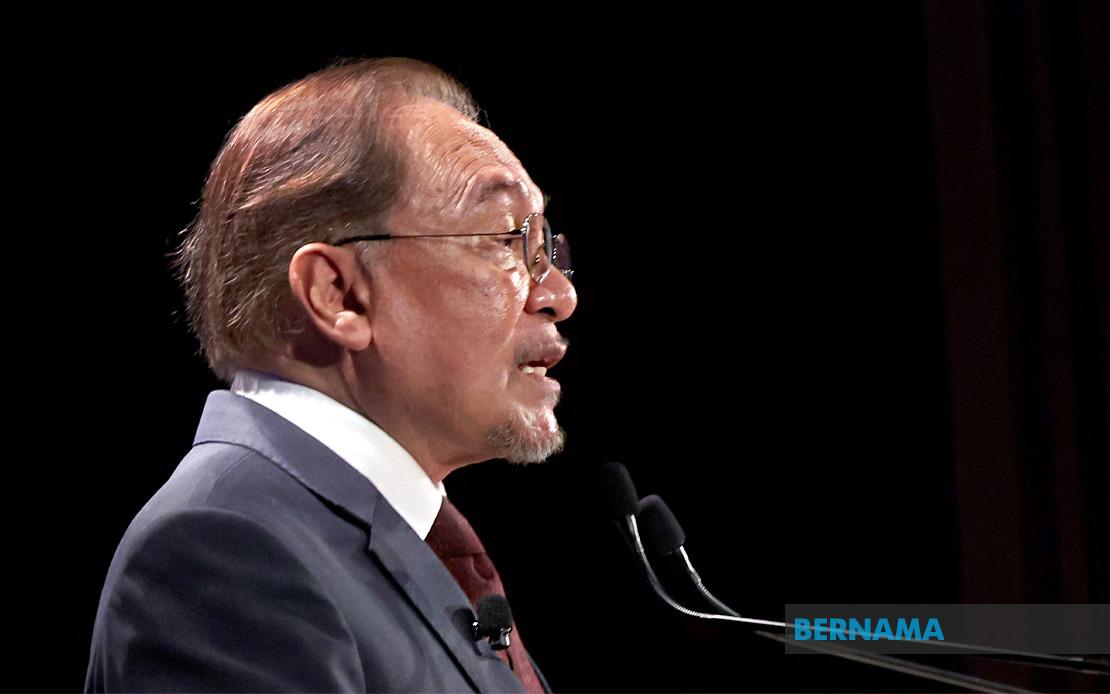
Malaysia has declared its backing for a nascent understanding between the United States and Iran aimed at de-escalating months of regional tensions, with Prime Minister Datuk Seri Anwar Ibrahim emphasising the critical importance of maintaining momentum towards a durable settlement. Speaking at the 39th Asia-Pacific Roundtable in Kuala Lumpur, Anwar acknowledged the diplomatic efforts of multiple stakeholders, notably Gulf nations, Türkiye, and Pakistan, whose mediation proved instrumental in crafting the memorandum of understanding between the two adversaries.
However, Anwar injected a note of caution into Malaysia's otherwise optimistic reception of the breakthrough. He stressed that despite recent progress, the fragile nature of any emerging peace arrangement means that the settlement remains susceptible to derailment by spoilers seeking to reignite hostilities. This sober assessment reflects the complexity of Middle Eastern geopolitics, where historical animosities and competing regional interests can quickly unravel even carefully negotiated agreements. Malaysia's measured response positions the nation as a responsible stakeholder in global affairs while avoiding the triumphalism that might invite backlash from various quarters.
A cornerstone of Malaysia's official position centres on the imperative to reopen the Strait of Hormuz to unrestricted international maritime traffic. The waterway, which previously facilitated approximately one-fifth of global oil shipments before recent tensions escalated, serves as a vital artery for energy-dependent economies across Asia and beyond. Malaysia, as an energy-importing nation with significant maritime interests, has considerable stake in ensuring unimpeded passage through this critical chokepoint. Anwar designated the restoration of shipping access through the strait as an urgent priority that must accompany strict compliance with all ceasefire stipulations.
The Prime Minister's remarks highlighted the broader economic consequences of prolonged regional conflict, transcending narrow security considerations. Extended hostilities have precipitated sustained elevation in global food and energy prices as nations scramble to secure alternative supply routes and accumulate strategic reserves. These elevated commodity costs have diverted enormous financial resources—measured in billions of dollars annually—away from productive social and economic development initiatives that could have benefited populations across the developing world. Anwar pointed out that these are not abstract economic indicators confined to statistics sheets but rather tangible realities that directly shape household budgets, employment opportunities, and quality of life for ordinary citizens.
The Malaysian leader's emphasis on the human dimension of geopolitical conflict carries particular resonance for Southeast Asian audiences grappling with their own economic challenges. Rising import costs for essential commodities exacerbate inflationary pressures already felt acutely in Malaysia and neighbouring countries, where wage growth often lags price increases for food and fuel. By articulating the lived experience of ordinary people rather than limiting discussion to strategic considerations, Anwar framed regional peace as not merely a security imperative but fundamentally a social and economic necessity.
Reports from Qatar, which has played a prominent mediation role, suggested that indirect negotiations between Iranian and American representatives concluded on Wednesday yielded what officials characterised as meaningful progress. These talks ostensibly concentrated on modalities for reopening the Strait of Hormuz and establishing mechanisms for sustained dialogue. The involvement of Qatar reflects the sophisticated diplomatic ecosystem in the Gulf region, where smaller states often leverage their geographic position and diplomatic acumen to facilitate communications between larger powers unable to engage directly due to political constraints.
Malaysia's measured endorsement of the nascent understanding reflects its broader foreign policy orientation as a non-aligned nation seeking constructive engagement with diverse regional and global players. Unlike some countries compelled to take sides in great power competitions, Malaysia has cultivated a tradition of diplomatic flexibility that permits engagement with both Western and non-Western powers on pragmatic grounds. This approach has allowed Malaysia to maintain relationships across ideological divides while advancing its own national interests in regional stability and economic prosperity.
The Asia-Pacific Roundtable, organised by the Institute of Strategic and International Studies Malaysia, provides an established forum for high-level discussion of pressing regional security issues. The three-day gathering concluded with Anwar's keynote address, underscoring Malaysia's commitment to multilateral dialogue as a mechanism for addressing transnational challenges. The event's timing—coinciding with breakthrough negotiations between Washington and Tehran—ensured that the forum addressed issues at the forefront of international concern.
Looking forward, Malaysia's stance suggests that the nation will continue monitoring implementation of the ceasefire agreement while advocating for sustained diplomatic engagement to consolidate initial gains. The country's experience mediating regional disputes and its economic interests in maintaining stable energy markets position it as a natural advocate for consolidating peace. Whether the US-Iran understanding proves durable will depend significantly on the willingness of both parties to honour commitments and resist domestic pressure to resume confrontation—a challenge that Malaysia and other concerned nations will observe with considerable interest.

