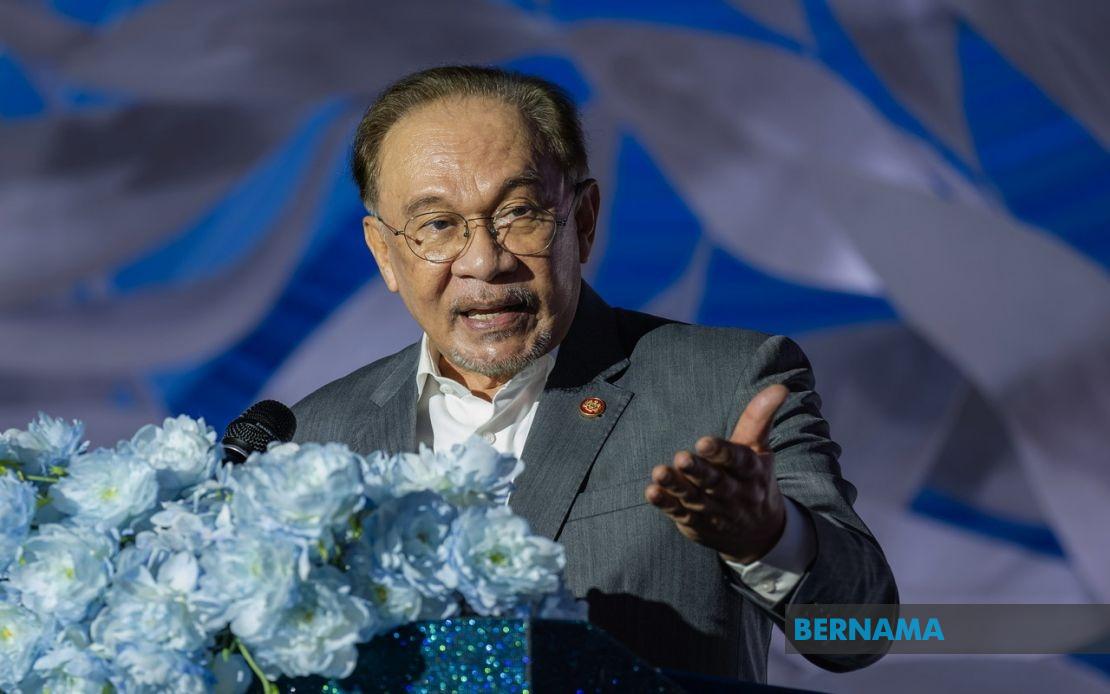
Malaysia will enforce a strict zero-tolerance policy towards Israeli nationals found on its soil, Prime Minister Anwar Ibrahim announced on July 15, underscoring the government's commitment to its non-recognition stance towards Israel. The declaration came following media reports and social media allegations that individuals holding Israeli passports, some alongside dual citizenship documents, had been detected attempting to enter or were present in Malaysian territory, particularly in Johor. Anwar's unequivocal stance signals the administration's determination to maintain consistent foreign policy principles despite international diplomatic complexities.
The Prime Minister revealed that multiple security and government agencies had already mobilised to investigate the allegations thoroughly. This multi-agency response reflects the seriousness with which authorities treat any breach of Malaysia's immigration protocols concerning Israeli citizens. Anwar conveyed full confidence in the investigative machinery's capability to uncover details and take appropriate action, indicating that the matter had escalated to the highest levels of government attention and would not be treated as a routine immigration matter.
Specific focus has been directed towards the Network School operating in Forest City, Johor, which allegedly facilitated the presence of Israeli nationals. The Johor state government, through Menteri Besar Datuk Onn Hafiz Ghazi, had previously urged the Home Ministry and relevant agencies to investigate this educational institution's operations. The allegation centres on the use of alternative passports from other countries as a method to circumvent Malaysia's well-known immigration restrictions on Israeli citizens, a tactic that has raised substantial public concern about potential security vulnerabilities in the country's border management systems.
The controversy highlights a persistent tension between Malaysia's diplomatic principles and the practical challenges of immigration enforcement in an increasingly globalised world where dual citizenship and alternative travel documents complicate identity verification procedures. The use of secondary passports to mask Israeli nationality suggests a deliberate attempt to evade Malaysia's established non-recognition policy, which has remained a cornerstone of the nation's foreign relations strategy for decades. Such circumvention attempts underscore the need for enhanced screening protocols at entry points and within institutions hosting international programmes.
Anwar's reference to Higher Education Minister Datuk Seri Dr Zambry Abdul Kadir's pending explanation indicates that educational institutions may play a role in the investigation. This suggests the government is examining whether any Malaysian educational facilities knowingly or unknowingly facilitated the entry or presence of Israeli nationals, and whether institutional oversight mechanisms failed to prevent such incidents. The involvement of the Higher Education Ministry broadens the scope beyond simple immigration violations to encompass potential institutional accountability and compliance with government directives.
Malaysia's non-recognition of Israel remains one of the most enduring and consistent elements of the country's foreign policy across multiple administrations and political transitions. This principle is deeply rooted in Malaysia's historical solidarity with Palestinian causes and reflects both constitutional commitments and societal values that prioritise this position. The government's willingness to deport Israeli nationals immediately, without negotiation or exception, demonstrates that this principle transcends ordinary immigration procedures and occupies a special category of national security and foreign policy concern.
The timing of these allegations and the government's swift response also reflects broader regional dynamics and international attention on Israel-related matters. Malaysia's firm stance positions it consistently within the broader Muslim-majority and developing world consensus on Palestinian rights, while maintaining Malaysia's distinct voice in Southeast Asian geopolitics. The immediate deportation policy serves as a clear deterrent to any individuals or organisations attempting similar violations in the future.
The investigation's scope extends to understanding how these individuals gained entry despite Malaysia's existing controls, what activities they conducted while in the country, and whether any institutional collaboration facilitated their presence. These questions are particularly pertinent given Malaysia's experience with security threats and the importance placed on comprehensive border management. Authorities must determine whether the breaches represent isolated incidents or part of a broader pattern requiring systemic reforms.
The allegations also underscore broader questions about Malaysia's capacity to implement consistent screening at educational institutions and other facilities hosting international participants. Enhanced coordination between immigration, security agencies, and educational bodies may be necessary to prevent future incidents. The government's investigation will likely inform policy adjustments to strengthen institutional compliance mechanisms and staff training regarding Malaysia's immigration restrictions.
For Malaysian higher education institutions and international programmes operating within the country, this incident serves as a stark reminder that institutional authorities bear responsibility for verifying the documentation and eligibility of international participants. Institutions hosting foreign nationals must familiarise themselves with Malaysia's non-recognition policy and implement rigorous verification procedures. The consequences of non-compliance extend beyond individual institutional penalties to potential reputational damage and regulatory scrutiny.
The public concern triggered by these allegations reflects genuine commitment among Malaysians to maintaining the integrity of national foreign policy principles. Social media's role in surfacing these allegations demonstrates how public vigilance can complement official oversight mechanisms. However, it also highlights the importance of official channels conducting thorough, transparent investigations to establish facts clearly and prevent misinformation from distorting public understanding.
Moving forward, the government's investigations and subsequent policy clarifications will likely establish clearer guidelines for institutional and border personnel regarding identification verification and entry protocols. The Higher Education Ministry's expected explanation should address not only the specific Network School incident but also systemic measures being implemented across all institutions to prevent similar occurrences. These steps will demonstrate the government's commitment to enforcing its stated policies consistently and comprehensively throughout the nation's territory.

