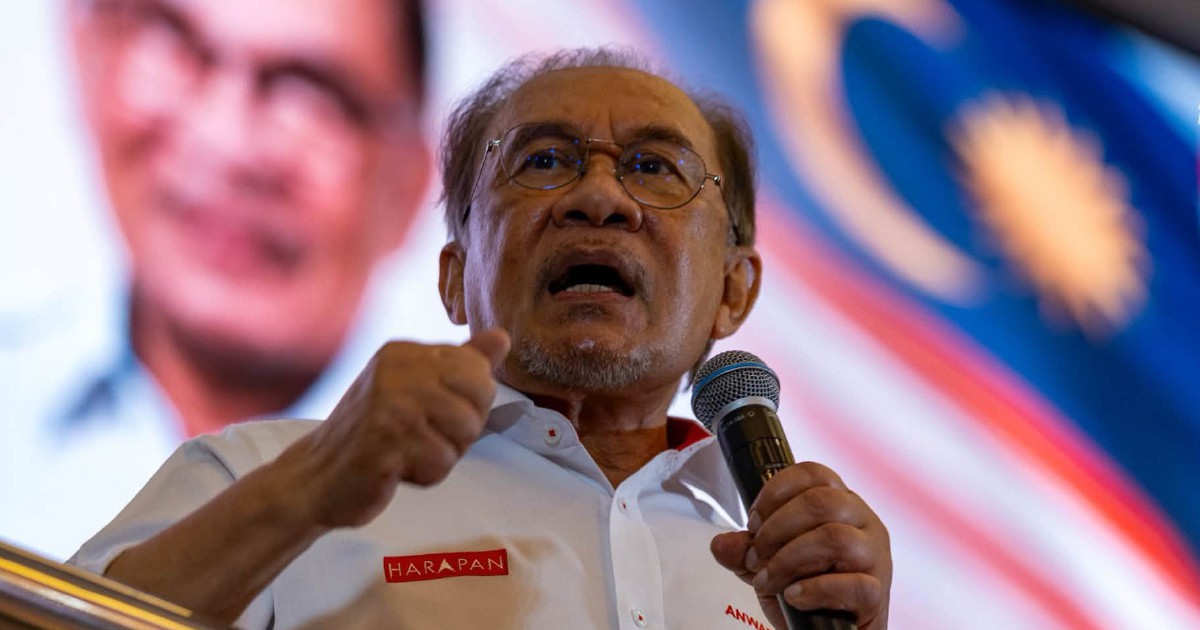
Prime Minister Datuk Seri Anwar Ibrahim has moved to clarify that Malaysia harbours no intention of requesting Singapore's assistance in enabling Malaysian workers living across the Causeway to participate in the upcoming Johor state election on July 11. The statement comes as authorities prepare for the poll, which represents a significant political contest in Malaysia's southern corridor.
The clarification addresses what had become an emerging question in political circles regarding logistics and diplomatic cooperation across the Malaysia-Singapore border. With a substantial number of Malaysian citizens commuting to or residing in Singapore for work, election officials had contemplated various mechanisms to ensure eligible voters could exercise their democratic rights. However, the Prime Minister's position indicates that Malaysia intends to manage the electoral process independently without enlisting its neighbour's cooperation on this particular matter.
The decision reflects broader considerations about electoral sovereignty and the practical challenges of conducting polls with geographically dispersed voting populations. Johor, which shares the Causeway crossing with Singapore, has historically hosted significant cross-border worker populations. The logistics of accommodating voters who work in Singapore but retain electoral rights in Malaysia present genuine administrative complexity, particularly given the time constraints typical of election days.
Anwar's clarification carries implications for how Malaysian authorities will address voting accessibility for this segment of the electorate. Rather than establishing voting facilities in Singapore, Malaysia appears prepared to rely on existing mechanisms such as postal voting, early voting, or requiring workers to return to their constituencies on polling day. Each approach carries distinct challenges and may affect voter turnout rates, which carry political significance for all competing parties in the Johor contest.
The distinction between coordinating with Singapore on electoral matters and conducting elections entirely within Malaysian jurisdiction speaks to broader questions about the autonomy of electoral processes. While cross-border cooperation on many issues between the two neighbours is routine, involving a foreign country in administering voting would venture into territory both governments likely prefer to avoid, regardless of the practical benefits that might accrue.
Johor's electoral importance cannot be understated within Malaysia's political landscape. As a state with substantial representation in Parliament and historically strong voter participation, the July 11 election will significantly influence the overall political dynamics leading into any future federal contests. The state has traditionally been a political battleground where different coalitions compete vigorously, making voter turnout and engagement critical factors in determining outcomes.
The cross-border workforce dimension adds a modern complication to traditional election administration. Singapore hosts tens of thousands of Malaysian workers, many of whom maintain permanent residency and voting rights in their home states. Providing convenient mechanisms for these voters to participate strengthens democratic engagement, yet solutions must balance accessibility against administrative feasibility and cost considerations.
Anwar's position may also reflect consultations with the Election Commission regarding what mechanisms are legally permissible and operationally viable. Malaysian electoral law contains specific provisions governing where and how voting may occur, and these frameworks may not accommodate voting facilities established in foreign territory. The Prime Minister's statement thus likely reflects alignment between the executive and electoral administration on what approaches fall within permissible bounds.
The practical impact of this decision will become apparent as election authorities publish detailed voting arrangements for Johor. Malaysian workers in Singapore will need to make specific plans to vote, whether through postal voting, returning to Malaysia for polling day, or early voting if such provisions are made available. The accessibility of these options will influence participation rates among this group, with potential ramifications for seat outcomes in constituencies with concentrated worker populations.
Singapore's own position on such coordination remains unstated, though the city-state's government maintains careful protocols regarding involvement in other nations' electoral processes. Historically, both nations have managed cross-border voter registration and participation issues without involving official Singaporean electoral infrastructure, and this approach appears likely to continue.
For Malaysia's broader electoral framework, this decision underscores that voting remains fundamentally a process administered within national boundaries according to domestic law. While globalisation has created populations living across borders, the architecture of democratic participation continues to reflect nation-state foundations. The Johor election thus represents a test case for how Malaysian democracy accommodates increasingly mobile populations while maintaining established electoral principles and sovereignty.
As Johor enters the campaign period preceding July 11, all contending parties will need to factor the worker vote into their strategies. The accessibility and convenience of voting arrangements for those employed in Singapore may influence turnout differential across constituencies, potentially shifting seat distributions between competing coalitions competing for state government.

