Sixteen veterans from Malaysia's armed forces are stepping into new roles as full-time wardens across eight MARA Junior Science Colleges, marking a significant shift in how the institutions manage student welfare and residential life. The appointments commence on Wednesday, July 1, representing the second phase of a structured recruitment initiative that incorporates former military personnel into the college system. This expansion follows a pilot programme that operated successfully at MRSM Besut and MRSM Balik Pulau since October 2025, demonstrating the viability of drawing on military discipline and experience for campus management.
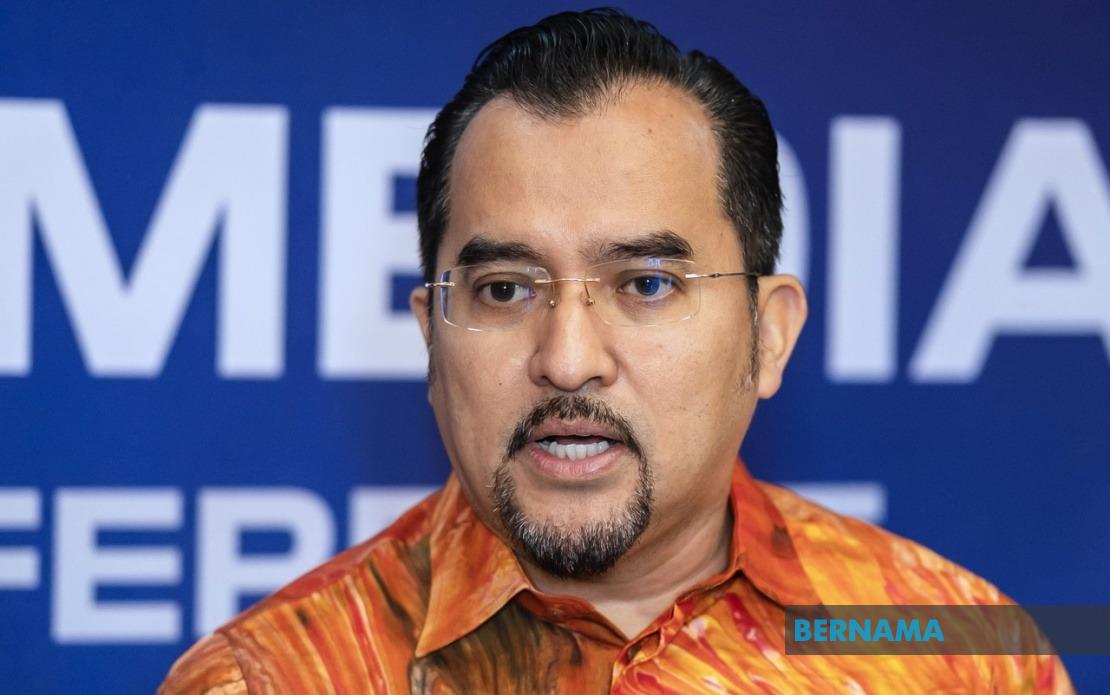
Mara Chairman Datuk Dr Asyraf Wajdi Dusuki has characterised the initiative as integral to addressing long-standing concerns about student conduct and interpersonal safety. By introducing wardens with military backgrounds, the organisation aims to establish stronger behavioural frameworks and eliminate bullying from residential college environments. The underlying logic centres on channelling military training—particularly experience in leadership, hierarchy, and conflict resolution—toward creating more structured dormitory settings where students can develop in a protective atmosphere.
The current phase involves a much larger complement of 32 wardens distributed across the eight colleges, with each institution receiving two male and two female personnel. The first cohort, numbering sixteen males, will begin duties immediately. Recruitment for female wardens has proceeded in parallel, with 162 applications received and online assessments conducted on June 25. Physical interviews for female candidates are scheduled for July 2, with final appointments anticipated shortly afterward. This gender-balanced approach acknowledges the diverse needs of a coeducational student body and reflects contemporary safeguarding principles.
The selection process reveals the stringency applied to warden appointments. A collaborative effort involving Glokal Link Sdn Bhd (a MARA subsidiary), the MARA Secondary Education Division, the Veterans Affairs Department (JHEV), TalentCorp, and the Malaysian Armed Forces Psychology and Counselling Section has jointly overseen candidate assessment. Physical interviews occurred on June 15 and 16 at the MARA Higher Skills Institute in Kepong, where 147 candidates—predominantly 139 male applicants—participated after surviving two earlier screening rounds. The multi-stage architecture signals institutional determination to filter unsuitable applicants early and comprehensively.
Eligibility criteria remain deliberately restrictive. Candidates must be recognised ATM veterans who completed military service honourably, meaning those discharged for misconduct, grave disciplinary transgressions, or legal offences face automatic disqualification. This threshold seeks to ensure that individuals entering residential college environments carry clean disciplinary records and demonstrated commitment to institutional values. Pre-appointment verification encompasses veteran status confirmation, criminal record checks through the Royal Malaysia Police, and cross-referencing against child sexual offenders registries—a protective measure underlining concern about vulnerable populations.
Beyond basic background vetting, psychological and behavioural evaluation forms the cornerstone of candidate differentiation. Applicants undertake the MyNext OCEAN and RIASEC psychometric instruments alongside military psychological evaluations, mental health assessments, body mass index checks, and bleep fitness tests. Panel interviews involve multiple agencies, ensuring no single evaluator dominates the outcome. This layered approach acknowledges that formal credentials and clean records alone cannot predict suitability for managing adolescents in residential settings; deeper psychological assessment becomes essential.
Final approval hinges on assessments conducted by Malaysian Armed Forces psychologists and counsellors, incorporating psychological evaluation and biofeedback mechanisms. These evaluations specifically examine attitudes toward child protection, sexual misconduct risk factors, impulse control capacity, and the candidate's understanding of appropriate warden-student professional boundaries. The emphasis on psychological suitability for hostel placement reflects hard-won awareness that institutional safeguarding depends fundamentally on personnel who demonstrate genuine psychological fitness for the role rather than simply meeting administrative boxes.
Mara has committed to an ambitious long-term expansion, envisioning full implementation across all 58 MARA Junior Science Colleges through staged phases. The third phase deployment is scheduled for January 1, 2027, suggesting a measured rollout that permits course corrections based on performance in these eight institutions. This phased expansion allows the organisation to assess warden effectiveness, identify operational challenges, and refine training and support frameworks before broadening the programme significantly.
The initiative operates against a backdrop of persistent concerns about student safety in Malaysian boarding schools. Previous scandals involving bullying, abuse, and institutional failures to protect vulnerable students have prompted policymakers to rethink dormitory governance structures. By introducing personnel with structured military training and significant vetting, MARA signals recognition that traditional warden systems require modernisation. Former armed forces members bring established expertise in hierarchy, discipline communication, and crisis management—competencies that may prove valuable when addressing complex residential dynamics among teenage students navigating academic and social pressures.
For Malaysian parents and stakeholders, the appointment of vetted military veterans represents both promise and implicit acknowledgment of past shortcomings. The comprehensive screening framework reflects institutional commitment to preventing unsuitable individuals from accessing young people, a concern that transcends education into broader societal child protection conversations. The psychological emphasis—particularly around sexual misconduct risks and impulse control—demonstrates awareness that safeguarding extends beyond physical security into behavioural prediction and preventive psychology.
The programme's success will ultimately depend on how effectively military discipline translates into collegiate residential management. While military structures excel at hierarchy and compliance, student dormitories require different sensibilities: mentorship, emotional intelligence, and age-appropriate support. The psychological screening mechanisms suggest MARA recognises this distinction and seeks personnel capable of operating within both frameworks. The expansion timeline provides opportunity to evaluate whether this hybrid approach genuinely improves student welfare, reduces bullying, and maintains the disciplinary standards the organisation seeks.
Looking forward, this initiative positions MARA within broader trends across Southeast Asian educational institutions toward professionalising residential college management and elevating safeguarding standards. As Malaysia continues developing its elite secondary education system, the quality and integrity of warden systems directly influence institutional reputation and student wellbeing outcomes. The commitment to thorough vetting and psychological evaluation, though resource-intensive, reflects recognition that cost considerations must never compromise the safety of young people under institutional care. Whether this model becomes replicable across other Malaysian boarding schools remains to be seen.

