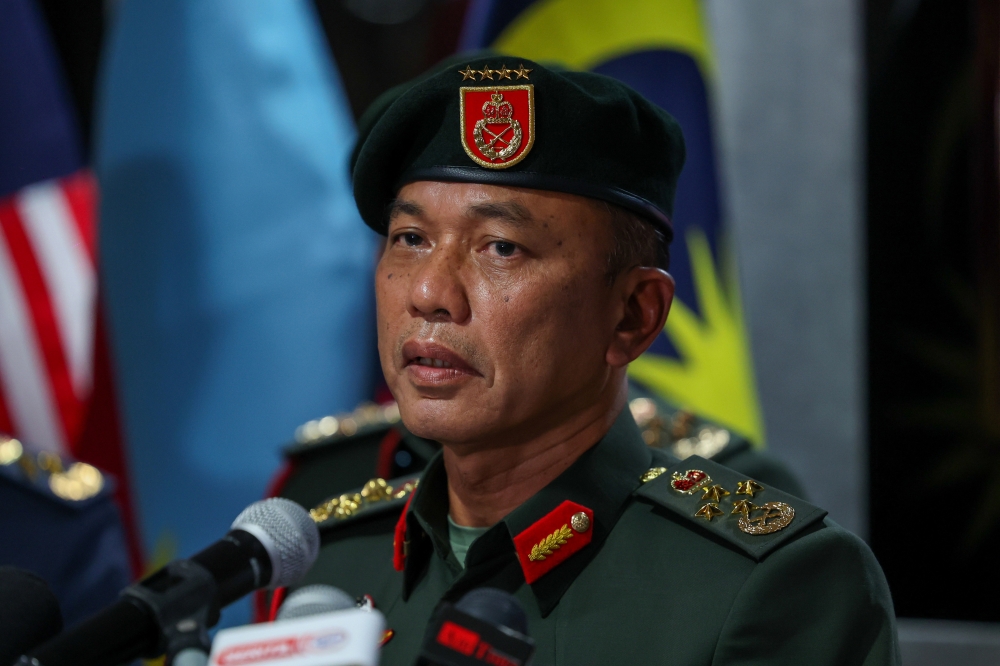
The Malaysian Army has moved to counter narrative emerging from social media by announcing that its internal investigation into rape allegations against one of its personnel has found no corroborating evidence. The military's response, issued through official channels in Kuala Lumpur, directly contradicts claims that have gained significant traction across viral platforms, suggesting a widening gap between public allegations and institutional findings.
This clash between social media narratives and formal institutional investigations reflects a broader challenge facing Malaysian defence and security establishments in an age of rapid information dissemination. The proliferation of unverified claims on digital platforms has increasingly complicated the management of sensitive allegations involving military personnel, forcing the armed forces to engage in public relations exercises to maintain institutional credibility.
The timing of the Malaysian Army's statement underscores growing concerns within military circles about reputational damage from unsubstantiated online allegations. Rather than remaining silent as military institutions traditionally have, the TDM chose to proactively publish findings from its investigation, signalling a strategic shift in how the armed forces address allegations in the digital era. This approach carries both potential benefits and risks, as public commentary on ongoing cases can complicate legal proceedings and witness protection.
The allegations themselves, which gained prominence through viral sharing mechanisms, illustrate how sexual assault claims can spread rapidly through social networks before verification occurs. The Malaysian context is particularly sensitive, given ongoing public discourse about sexual misconduct across institutions ranging from universities to corporate environments. The military's position as a hierarchical, traditionally closed institution makes such allegations particularly newsworthy when they emerge publicly.
Internal military investigations operate within different procedural frameworks than civilian criminal inquiries. The Malaysian Army's internal probe would have applied military-specific investigative protocols and standards of evidence that may differ from civilian criminal procedure. This distinction becomes crucial when military findings are presented publicly as contradicting civilian allegations, as different evidentiary thresholds and investigative methodologies can produce divergent conclusions.
The case highlights persistent questions about transparency and accountability within Malaysian security institutions. Defence ministries across Southeast Asia have historically maintained opaque investigative processes for allegations involving personnel, citing operational security concerns. However, public demand for transparency has intensified, particularly in cases involving serious crimes such as sexual assault. The Malaysian Army's decision to comment publicly represents an attempt to navigate these competing pressures.
Viral allegations pose particular complications because they often spread without accompanying context, corroborating evidence, or identification of complainants willing to pursue formal action. Social media dynamics reward sensational content, meaning allegations gain amplification regardless of substantiation. For military institutions with limited digital media expertise, countering such narratives requires sophisticated communication strategies that don't compromise ongoing investigations or discourage legitimate victims from coming forward.
The broader implications for Malaysia's military institution extend beyond this single case. Public confidence in armed forces depends partly on perception of their handling of misconduct allegations. If the public believes investigations are whitewashes, institutional legitimacy erodes. Conversely, if military investigations are perceived as thorough and fair, they can reinforce public trust. The Malaysian Army's public statement attempts to signal the latter, though whether this resonates with sceptical audiences remains uncertain.
Regional military establishments across Southeast Asia face similar pressures. Defence institutions in Indonesia, Thailand, Singapore, and the Philippines have all confronted viral allegations and complaints about investigative transparency. Malaysian security forces, operating within a competitive regional security environment, must maintain institutional cohesion while responding to legitimate accountability demands. This balance becomes more delicate when allegations attract public attention before formal mechanisms can process complaints confidentially.
The case also reflects evolving expectations around sexual misconduct investigations. Malaysia's various institutions—from universities to government agencies—have faced increasing scrutiny regarding how they handle assault allegations. Military institutions, which traditionally operated under different accountability frameworks than civilian agencies, now face similar expectations for transparency and fair process. The Malaysian Army's response suggests the institution recognises this shift in public expectations.
For complainants or potential witnesses, the emergence of this public dispute creates a complex environment. Formal complaints to military authorities exist within institutional structures that may feel intimidating for victims. Conversely, going public through social media offers visibility but sacrifices privacy and formal legal protections. Neither pathway perfectly serves justice or victim protection, presenting a genuine dilemma for those with legitimate grievances.
Moving forward, the Malaysian Army's handling of this situation may influence how other security institutions respond to viral allegations. If the military's approach succeeds in restoring institutional credibility while ensuring fair treatment of accused personnel, it may establish a precedent. If, conversely, the public views the response as defensive or dismissive, it could strengthen arguments for external civilian oversight of military investigations into serious crimes.
The intersection of military institution, digital platforms, and public accountability remains unsettled territory across Malaysia and Southeast Asia. This particular case, while specific in its details, represents a larger institutional challenge that defence forces will continue navigating as information technology and public expectations continue evolving.

