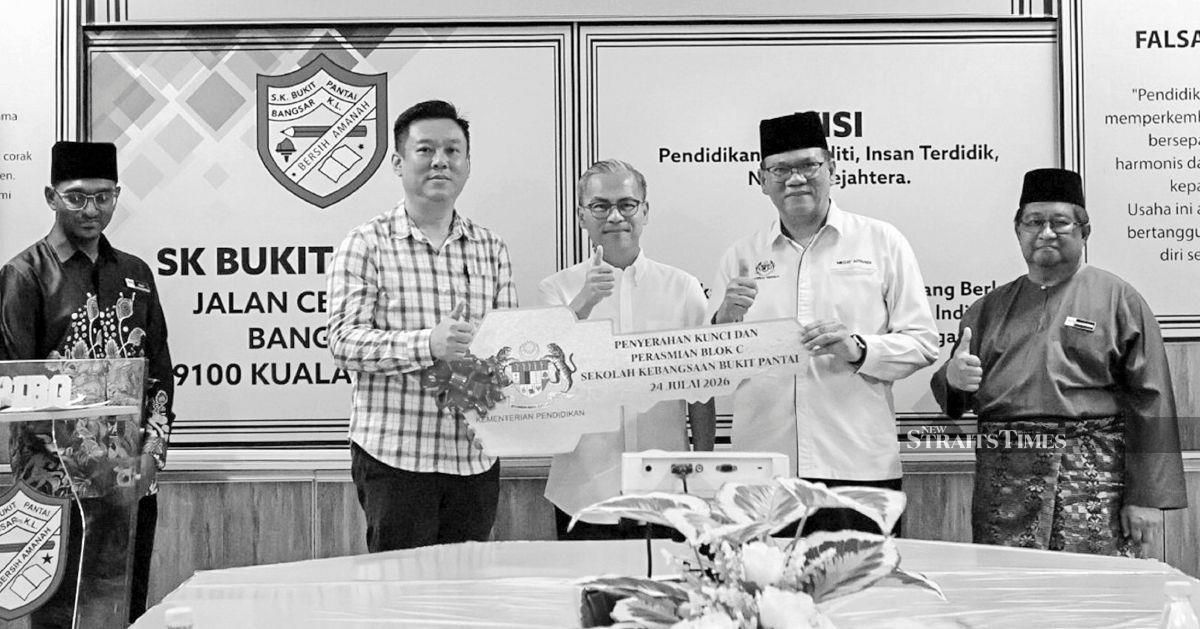
Malaysian authorities have been directed to investigate an offensive post on the social media platform Threads following allegations that it contained insulting remarks about Prophet Muhammad. Communications Minister Datuk Seri Fahmi Fadzil announced the decision to escalate the matter to both law enforcement and the Malaysian Communications and Multimedia Commission (MCMC), signalling the government's commitment to addressing what it views as serious breaches of religious sensitivities in the digital space.
The involvement of multiple agencies underscores how Malaysia treats religiously offensive content as a matter requiring coordinated action across different branches of government. The MCMC, which regulates Malaysia's communications sector, and the Royal Malaysian Police both possess investigative authority in cases involving online misconduct, though their jurisdictions and powers differ. The parallel investigation approach suggests authorities are considering both regulatory and criminal angles to the incident.
Fahmi Fadzil's additional request for the MCMC to issue a public statement indicates the government wishes to send a clear message about its stance on such matters. A formal statement from the regulator serves multiple purposes: it reinforces community standards around respectful online discourse, demonstrates institutional responsiveness to public concerns, and establishes clear parameters for what constitutes unacceptable conduct on Malaysian internet platforms. This approach reflects how regulators in Malaysia have increasingly used public communication as a tool for shaping digital behaviour.
Threads, owned by Meta, represents a newer frontier in Malaysian social media governance. Unlike established platforms such as Facebook and Instagram which have developed longer operational relationships with Malaysian authorities, Threads remains relatively young in the Malaysian digital ecosystem. The rapid escalation of this particular incident suggests that government agencies are treating emerging platforms with the same vigilance they apply to established ones, and that Meta's subsidiaries can expect stringent oversight regarding religious content.
Religious sensitivities in Malaysia carry particular legal and social weight. The country's federal and state laws contain provisions protecting Islam and Islamic figures, with Article 3 of the Federal Constitution designating Islam as the religion of the federation. Insulting remarks about Prophet Muhammad can potentially violate multiple legal frameworks, including the Penal Code's provisions on religious offences and state-level Islamic laws in territories like Selangor, Kuala Lumpur, and others. These legal structures give authorities concrete grounds for investigation beyond mere regulatory concerns.
The digital nature of the alleged offence adds complexity to enforcement. Content posted on Threads could theoretically originate from within Malaysia or internationally, complicating jurisdictional questions and the ability to identify, locate, and prosecute offenders. Malaysian authorities have demonstrated increasing sophistication in tracking online offenders across borders, particularly when religious offences are involved, but such investigations remain resource-intensive and require cooperation from Meta and potentially international law enforcement partners.
This incident reflects a broader pattern across Southeast Asia of governments taking firmer stances on online religious content. Countries including Indonesia, Thailand, and Singapore have all experienced incidents involving alleged religious insults on social media, prompting regulatory and law enforcement responses. Malaysia's approach aligns with regional trends toward stricter content moderation, though the specific legal frameworks and enforcement mechanisms differ across the region. For multinational platforms like Meta, these varied regulatory environments create significant compliance challenges.
The case also highlights ongoing debates about balancing free expression with religious protection in Malaysian society. Civil liberties advocates have historically raised concerns about overly broad interpretations of religious offence laws, arguing such measures could chill legitimate speech and religious discussion. However, mainstream Malaysian public opinion, particularly within Muslim-majority communities, generally supports strong legal protections for Islamic figures and principles. Government actions that appear responsive to religious sensitivities typically enjoy substantial public backing.
For Meta and other social media platforms operating in Malaysia, the directive represents a test of their content moderation systems and their relationship with local authorities. Platforms must navigate between their global policies on free expression and local legal requirements that may impose stricter standards. Many international technology companies have established regional teams and partnerships with local civil society groups to better understand and respond to cultural and religious sensitivities in specific markets. How Threads' parent company responds to this investigation may influence its relationship with Malaysian regulators going forward.
The involvement of the police investigation component introduces potential criminal consequences for anyone identified as the account holder. Depending on the precise nature of the alleged insult and applicable laws, offenders could face charges under the Penal Code or state Islamic enactments, with penalties potentially including fines and imprisonment. This elevated enforcement posture signals that religious offences online are treated with the same seriousness as traditional forms of such misconduct.
Looking ahead, this case may influence how Malaysian authorities and international platforms negotiate standards for religious content online. If the investigation results in criminal charges or regulatory action, it would establish precedent for how similar matters are handled. The outcome could also prompt discussions within Malaysia about whether existing legal frameworks adequately address the challenges posed by newer social media platforms and the global nature of online speech.

