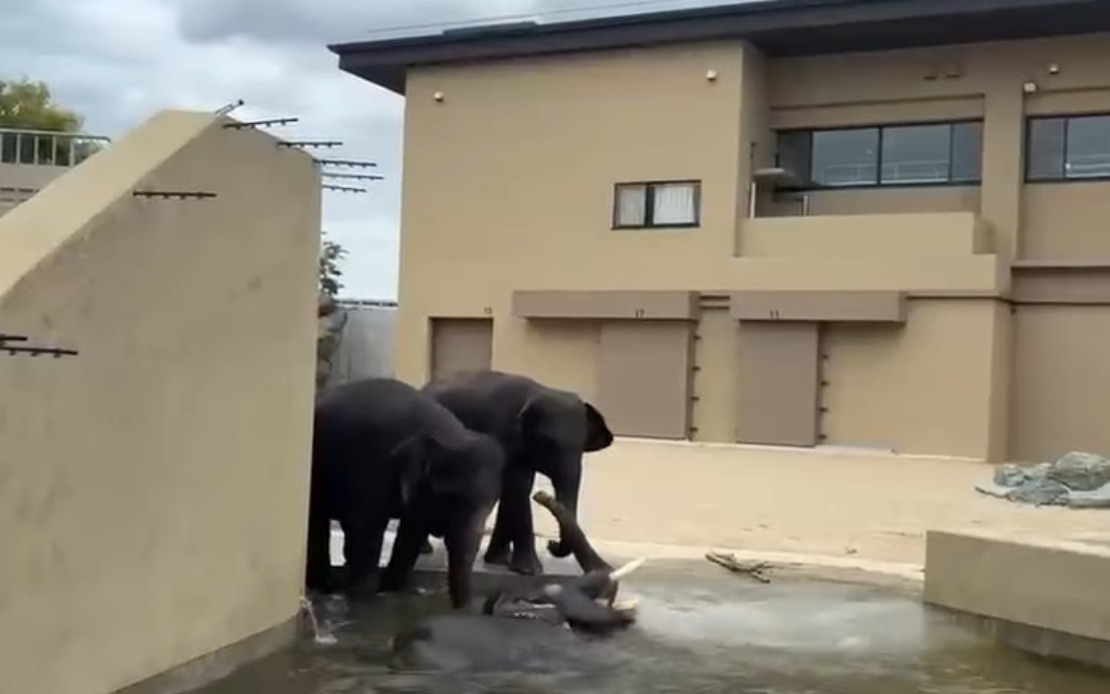
Three female elephants from Malaysia—Dara, Amoi and Kelat—are making steady progress during their stay at Tennoji Zoo in Osaka, Japan, according to the latest health assessments released by local authorities. The animals continue to demonstrate improved physical condition and robust wellbeing, with each exhibiting measurable weight gains over recent monitoring periods. Mohamed Akmal Dahalan, president of Taiping Municipal Council (MPT), confirmed these positive developments in a statement, noting that the trio's sustained health represents a successful outcome of Malaysia's cross-border wildlife management initiative.
The weight improvements recorded for the three elephants underscore the effectiveness of their current care regimen. Kelat has gained the most substantial amount at 260 kilogrammes, while her companions Dara and Amoi have registered increases of 35kg and 30kg respectively since their transfer to the Japanese facility. These metrics, compiled from regular veterinary assessments, indicate that the animals are adjusting well to their environment and responding positively to management practices implemented by the zoo's specialized team.
MPT sought to address public scrutiny surrounding the elephants' relocation by providing transparent details about their nutritional programme. The daily diet furnished to the three animals comprises multiple hay varieties as the primary fibre source, supplemented with bamboo shoots, fresh grass, cabbage and purpose-designed pellets formulated specifically for elephants. This carefully balanced dietary approach, designed and overseen by veterinary professionals, ensures the animals receive essential nutrients according to their biological requirements. The council emphasized that every meal component is selected and prepared with meticulous attention to established nutritional science.
The presence of qualified veterinary oversight distinguishes this arrangement from casual animal husbandry. MPT clarified that the zoo's animal care team works in conjunction with trained veterinarians who monitor the elephants' health metrics continuously. This dual-layer approach—combining practical care expertise with professional medical supervision—creates a framework intended to identify and address any health concerns promptly. The council's emphasis on this veterinary presence reflects growing international expectations for transparent animal welfare standards in zoo environments.
Coordination between Malaysian authorities and the Japanese facility represents an important dimension of the arrangement's success. MPT maintains ongoing collaboration with the Department of Wildlife and National Parks (Perhilitan) Peninsular Malaysia to evaluate the elephants' condition and ensure management protocols remain aligned with conservation best practices. This interagency monitoring mechanism provides additional oversight beyond the zoo's internal assessment processes, creating a system of mutual accountability that extends across national boundaries.
The underlying international agreement establishing this arrangement carries significant longevity. The cooperation accord between Tennoji Zoo and Zoo Taiping & Night Safari—represented by MPT—was formalized through two separate signing ceremonies in May and October 2022. The 25-year term embedded in this bilateral framework demonstrates both parties' commitment to a sustained, long-term partnership centered on elephant welfare and conservation research. Such extended agreements are relatively uncommon in international zoo collaborations, suggesting confidence in the arrangement's viability from both the Malaysian and Japanese sides.
Public perception management has emerged as a secondary but important component of MPT's communication strategy. The council acknowledged that members of the Malaysian public maintain legitimate interests in the elephants' wellbeing and retain the right to voice concerns. However, MPT also called for factual grounding in any public discourse about the arrangement, urging citizens to rely on verified information and professional assessments rather than speculation or unsubstantiated claims. This appeal reflects broader anxieties about animal welfare that resonate across Southeast Asia and globally.
The council's emphasis on transparency and accountability carries implications for Malaysia's international standing in wildlife conservation. MPT stated its readiness to cooperate with relevant authorities in any formal review, investigation or information request concerning the programme, positioning the arrangement as nothing requiring concealment. This posture suggests confidence in the programme's legitimacy while acknowledging that external scrutiny, whether from domestic constituencies or international observers, represents a normal feature of modern wildlife management. By inviting transparency, MPT aims to preempt criticism based on perceived secrecy.
The broader context of this arrangement reflects Southeast Asia's evolving relationship with international wildlife institutions. Malaysia's participation in cross-border elephant conservation initiatives demonstrates the region's engagement with global standards for animal care while maintaining control over its own wildlife resources through formal bilateral agreements. The Tennoji Zoo programme exemplifies how developing nations increasingly negotiate partnerships that ensure reciprocal benefits and mutual oversight rather than accepting arrangements dictated by external parties. The lengthy 25-year term suggests Malaysia views this partnership as strategically valuable for both conservation science and diplomatic engagement.
Underlying this development is recognition that elephant conservation transcends national boundaries. The species faces mounting habitat loss and human-wildlife conflict throughout Southeast Asia, making international cooperation essential for genetic diversity maintenance and population management. By housing Malaysian elephants in a high-standard Japanese facility while maintaining institutional oversight from Kuala Lumpur-based agencies, Malaysia participates in a global network of elephant management while ensuring its own conservation interests remain protected. The arrangement thus represents pragmatic balancing between international cooperation and national sovereignty.
For Malaysian wildlife advocates and the broader Southeast Asian conservation community, the Tennoji Zoo arrangement offers both a model and a test case for international partnerships. Successful outcomes—such as the documented weight gains and continued health—provide evidence supporting such arrangements, while any future complications could generate skepticism about similar initiatives. As Malaysia pursues additional international wildlife cooperations, the Tennoji Zoo programme's track record will likely influence how domestic and regional audiences evaluate future proposals. MPT's emphasis on health metrics and professional oversight suggests awareness that demonstrable results matter more than official assurances in sustaining public confidence.

