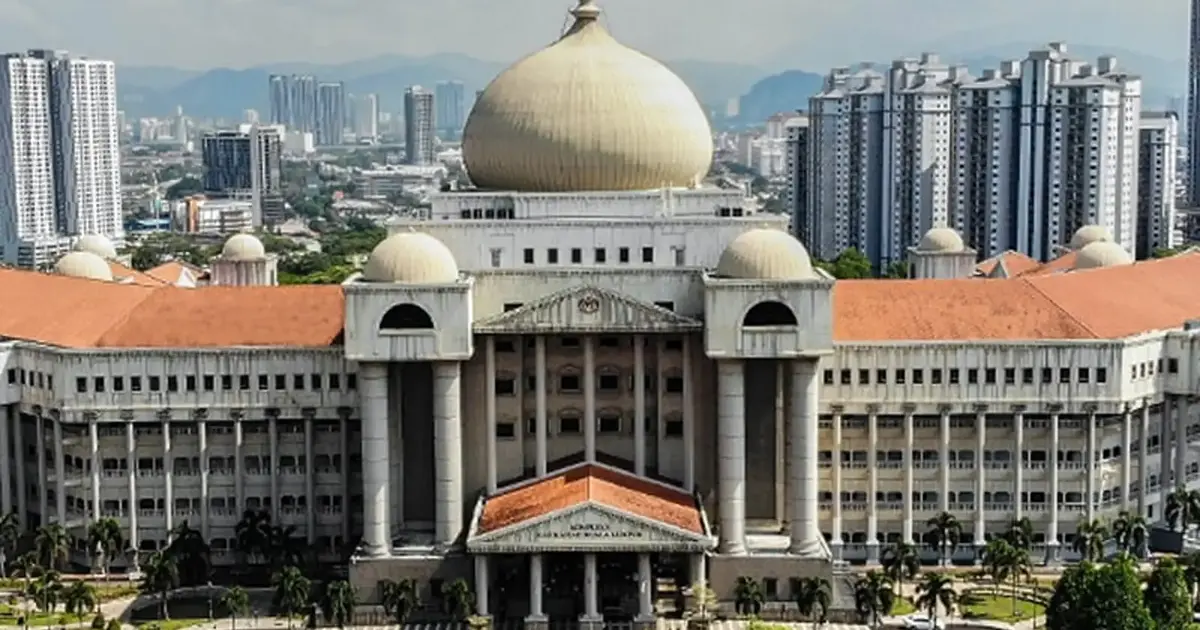
Malaysia's High Court has determined that the country's prime minister is not required to give evidence in a RM30 million civil dispute, striking down a subpoena that sought to compel his attendance in the witness box. The judicial ruling represents a significant decision on the limits of compelling testimony from sitting heads of government in Malaysia's legal system.
The court's reasoning centered on the legal concept of materiality—the principle that witnesses must have direct, relevant knowledge of facts central to the case at hand. By rejecting the subpoena, the bench found that the prime minister's testimony would not meaningfully contribute to resolving the substantive issues before the court. This distinction between general knowledge and material evidence is fundamental to witness law across Commonwealth jurisdictions, and Malaysia's High Court applied it to insulate the sitting premier from courtroom obligations in this instance.
The decision carries implications for how civil litigation proceeds when high-ranking government officials become entangled in disputes. In many jurisdictions, including Malaysia, courts balance the principle that all persons should be available to testify against the practical reality that senior state functionaries require protection from constant litigation disruptions. The High Court's ruling suggests Malaysian courts will apply this balancing test rigorously, examining whether a particular official's testimony is truly indispensable to resolving the case.
While the substantive details of the RM30 million claim remain secondary to the procedural ruling, such disputes often attract public attention because they involve questions about accountability and the scope of official authority. The case highlights how Malaysia's legal framework addresses situations where citizens or entities believe they have been wronged by government-related actors or decisions. The subpoena mechanism itself—a court order compelling testimony—exists to ensure that relevant parties cannot escape judicial scrutiny.
The prime minister's exemption from testifying does not necessarily mean the case will collapse or that the plaintiff's claims lack merit. Instead, other witnesses with more direct knowledge of the disputed facts may be called to establish the truth or falsehood of allegations. Documents, expert testimony, and evidence from parties more closely involved in the circumstances underlying the RM30 million claim could all serve to advance either side's position without requiring the premier's personal involvement.
For Malaysian legal practitioners and observers, this ruling establishes or clarifies precedent regarding the invocation of material witness standards in cases involving senior government officials. Courts in other Southeast Asian democracies have grappled with similar questions about balancing access to justice against the operational demands placed on heads of state and government. The High Court's approach reflects a view that such protections should be narrowly construed—the official must genuinely lack material knowledge, not merely be inconvenienced or face political pressure from testifying.
The ruling also touches on broader questions about executive privilege and the reach of civil litigation into government. Malaysia's courts have previously navigated tensions between transparency and the efficient conduct of state affairs. By focusing on the specific legal test—whether testimony is material—rather than adopting a blanket immunity for top officials, the High Court has signaled a measured approach that preserves the possibility of compelling testimony from high-ranking figures when their evidence truly is essential.
From a governance perspective, the decision reflects confidence in Malaysia's judicial independence and its capacity to make principled distinctions about the scope of official duties and protections. Courts in newly democratizing nations sometimes face pressure to either shield officials completely from legal processes or, conversely, to weaponize litigation against political rivals. The High Court's insistence on applying doctrinal legal standards suggests an effort to navigate between these extremes.
The RM30 million dispute itself represents the kind of civil claim that periodically emerges when large sums, government decisions, or official actions become subjects of litigation. Whether involving contract disputes, alleged breaches of duty, or claims of improper enrichment, such cases test the resilience of Malaysia's civil justice system. The question of who must testify and under what circumstances is therefore not merely procedural but touches on the practical operation of the rule of law.
Looking forward, the ruling may influence how litigants frame their legal strategies in future disputes where official involvement is in question. Parties may need to strengthen their pleadings by explicitly establishing why a particular official's testimony is material rather than assuming that high-ranking status automatically makes someone a relevant witness. This could lead to more focused litigation and clearer judicial reasoning about the evidentiary significance of official knowledge or actions.
The High Court's decision also demonstrates that Malaysia's legal system continues to refine doctrines inherited from its Commonwealth heritage while adapting them to contemporary governance challenges. As Malaysia's democracy matures and legal institutions gain experience with complex cases involving government actors, such rulings contribute to a growing body of precedent addressing the intersection of executive authority and judicial oversight.
Ultimately, while the immediate effect of the ruling is to spare the prime minister from courtroom testimony in this particular case, the broader significance lies in how Malaysian courts articulate and apply principles governing witness compulsion. By grounding its decision in the doctrine of materiality rather than executive privilege or official immunity, the High Court has provided guidance that respects both the need for evidence in civil disputes and the operational realities of government, suggesting a sustainable framework for managing such tensions in Malaysia's legal future.

