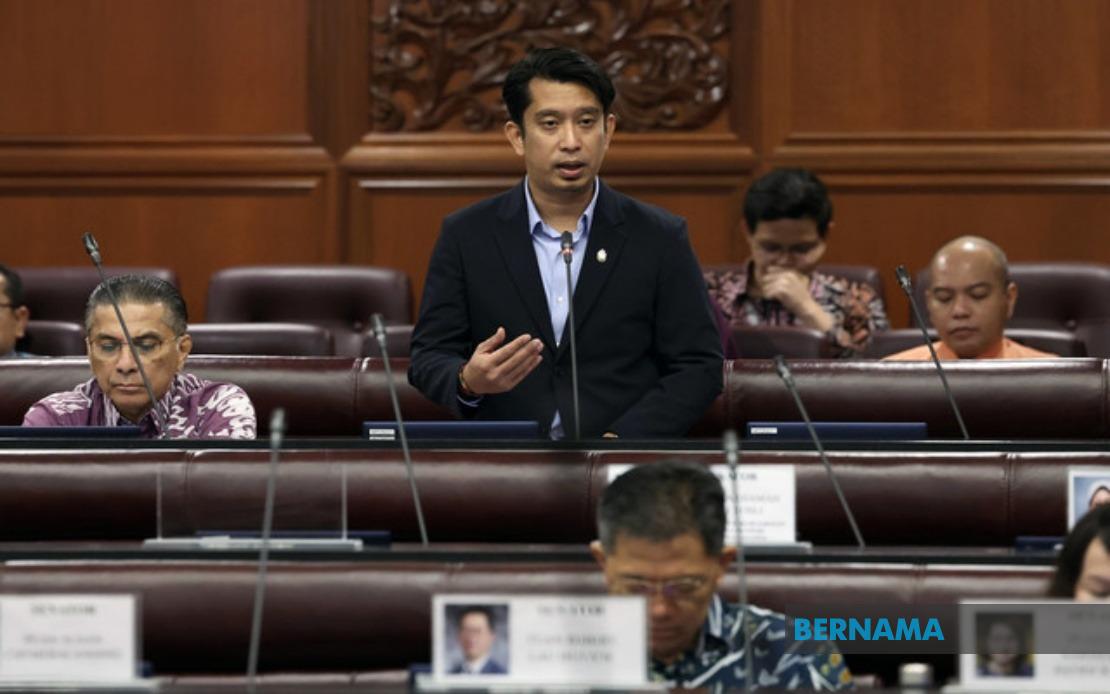
Higher learning institutions across Malaysia have been granted explicit authority to terminate internship placements and bring students back if workplace safety hazards come to light, Deputy Higher Education Minister Adam Adli Abd Halim confirmed during parliamentary proceedings. The clarification marks a significant policy shift in response to mounting pressure to safeguard students engaged in industrial training programmes, which increasingly involve high-risk work environments. Institutions can act either on their own assessment of conditions or following direct reports from students indicating genuine danger, establishing a mechanism that recognises both institutional and student-initiated concerns about workplace safety.
Adam Adli's statement came during debate in the Dewan Negara following a tragic incident on June 16 when a Universiti Putra Malaysia industrial training student died while conducting maintenance operations at Saujana 1 water tower in Kuala Selangor. The death intensified scrutiny of how universities vet companies offering training opportunities and whether adequate safeguards exist to protect young workers undertaking compulsory placement components of their degrees. Senator Che Alias Hamid pressed the minister specifically on monitoring mechanisms designed to ensure training providers maintain acceptable safety standards, reflecting broader parliamentary concern about student welfare in the workplace.
The ministry acknowledged that accidents involving students in industrial training programmes represent a significant regret, prompting systematic improvements to how placements are monitored and safety issues reported. Rather than dismissing concerns, the government signalled a commitment to overhauling oversight procedures, suggesting that previous systems may have contained gaps. This acceptance of responsibility distinguishes the response from defensive reactions sometimes seen in previous incidents, indicating a willingness to implement structural changes across the higher education sector to prevent future tragedies.
Universities must now conduct substantially more rigorous vetting of organisations before approving placements, examining factors beyond simple capacity or industry relevance. Assessment protocols should encompass an organisation's documented safety record, historical incident reports, and its reputation within regulatory bodies and industry circles. The approach represents a shift from potentially passive acceptance of training provider assurances toward active verification of claims, requiring institutional due diligence comparable to hiring practices for permanent staff positions rather than treating placements as routine administrative arrangements.
For sectors inherently involving elevated hazard levels, a more stringent gatekeeping standard applies. Students will only receive placement assignments with organisations demonstrating they fulfil established safety requirements and have implemented comprehensive safety management systems. This two-tier approach acknowledges that construction, maintenance, chemical processing, and similar fields carry fundamentally different risk profiles than office-based or low-hazard training environments, allowing differentiated standards rather than applying uniform criteria across disparate industries. The distinction enables better resource allocation while protecting students in genuinely dangerous settings.
Students assigned to high-risk sector placements face mandatory prerequisite requirements before commencing work. They must complete relevant safety-focused courses or obtain related professional certifications demonstrating understanding of hazard identification and mitigation protocols. This educational foundation ensures students bring knowledge to workplace environments rather than entering them as vulnerable novices unaware of standard safety practices. Certification requirements also create accountability, as verified training provides documentary evidence that students received instruction in essential protective procedures.
Immediate pre-placement preparation extends beyond documentation to comprehensive briefing sessions addressing multiple dimensions of workplace safety. Students receive structured instruction covering hazard identification, personal protective equipment selection and use, emergency evacuation procedures, and the formal mechanisms through which incidents should be reported internally. This multi-faceted orientation approach moves beyond generic workplace introductions to specifically target risks posed by each placement's particular environment and processes, equipping students with contextual knowledge rather than abstract principles.
During the active training period, oversight remains continuous rather than episodic, combining academic supervisors from universities with industrial supervisors from placement organisations. Monitoring incorporates both physical site visits and virtual communication channels, reflecting practical constraints while maintaining regular contact. Progress reports undergo systematic checking, and consistent communication between all parties creates multiple touchpoints for identifying emerging problems before they develop into safety incidents. This layered supervision model distributes responsibility across institutional and industry actors, preventing single points of failure in oversight systems.
Financial protection through the University Group Insurance Scheme provides additional safeguarding, ensuring students encountering accidents or untoward incidents during placement receive compensation independent of fault determinations or employer resources. This blanket coverage removes barriers to seeking treatment or care following incidents that might otherwise deter injured students from reporting problems through proper channels. The insurance framework acknowledges that despite comprehensive precautions, residual risks remain inherent to many training environments, creating a backstop protecting students from bearing financial consequences of unavoidable workplace accidents.
For Malaysia's higher education sector, these measures reflect evolving standards aligned with international best practices in student placement management and occupational safety. The framework positions universities as responsible institutional actors whose duty of care extends into workplaces where students undertake mandatory training components. Implementation will require investment in assessment procedures, training infrastructure, and supervision protocols, but these costs represent necessary expenses ensuring student protection. Regional universities facing similar pressures may view Malaysia's formalised approach as a template, particularly as internship placements become more central to qualification requirements across Southeast Asia's expanding higher education systems.

